Bosnia; overlooked, complex but fascinating
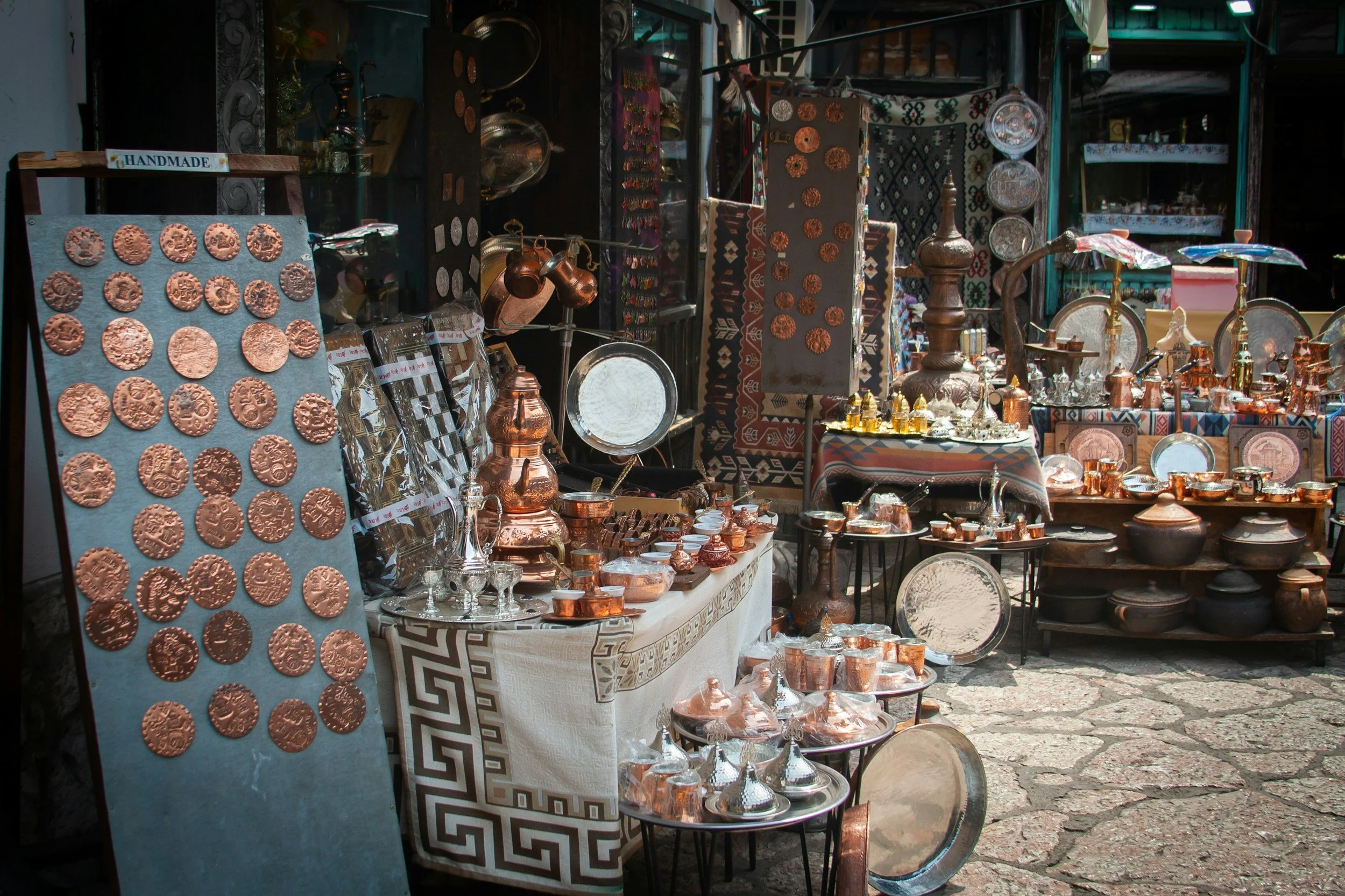
Bosnia and Herzegovina (often simply called Bosnia) is a hidden gem in the Balkans, blending Ottoman, Austro-Hungarian, and Slavic influences into a rich cultural tapestry. This triangular-shaped country, bordered by Croatia, Serbia, and Montenegro, boasts stunning landscapes from rugged mountains and emerald rivers to medieval towns and Ottoman architecture. It's known for its resilient history, including the 1990s war, but today it's a welcoming destination for history geeks, nature lovers, and adventure seekers. With (very) affordable prices, friendly locals, and fewer crowds than neighboring Croatia, Bosnia offers an authentic European experience. The capital, Sarajevo, is a vibrant mix of East and West. Somewhat laidback for a capital but the city has a fascinating history to tell. Surround by mountains that offer good hiking options. Skiing in winter is very much possible. Places like Mostar showcase iconic bridges and turquoise waters. It can be quite touristy year round with tourists coming in from Montenegro, the Croatian coast and of course Sarajevo. Expect diverse experiences, from hiking in national parks to savoring cevapi (grilled sausages) in bustling bazaars.
Visa and Entry Requirements
Most visitors from the EU, US, Canada, Australia, and New Zealand can enter visa-free for up to 90 days within a 180-day period. Check for any updates, as requirements can change. You'll need a passport valid for at least three months beyond your stay. If entering from neighboring countries, border crossings are straightforward but may involve queues during peak season. Declare any amounts over 10,000 Euros (or equivalent) at customs. No mandatory vaccinations, but routine ones like hepatitis A and B are recommended.
Best Time to Visit
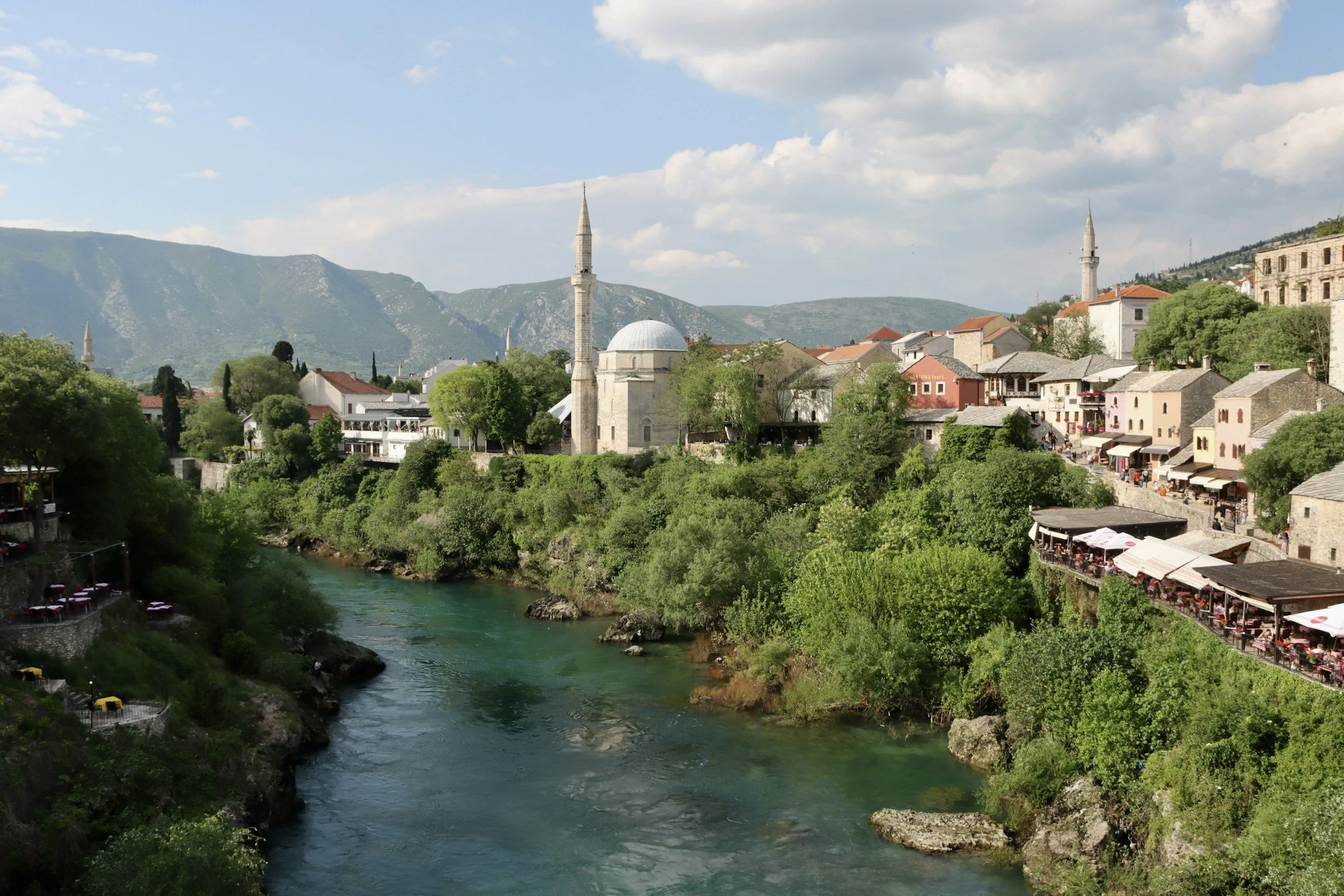
The ideal time is May to September for warm weather (20-30°C/68-86°F) and outdoor activities. Summers can be hot in the south, perfect for river rafting or festivals like the Sarajevo Film Festival in August. Winters (December-February) bring snow to mountains like Jahorina for skiing, but roads may close. Spring and fall offer milder crowds and lower prices, though rain is common. Avoid Ramadan if planning alcohol-related activities, as it's observed by the Muslim population.
How to Get There
Bosnia is accessible via air, land, or rail, primarily through its capital or neighboring hubs.
- By Air: The main gateway is Sarajevo International Airport (SJJ), with flights from major European cities like Istanbul, Vienna, Munich, and Zurich. Budget carriers like Ryanair and Wizz Air offer affordable options from Europe. Think about the Banja Luka and Tuzla airports - small but affordable prices with low cost carriers. From the US, expect connections via hubs like Frankfurt or Istanbul; round-trip fares from major US cities start around $470-1,400. Turkish Airlines provides direct routes from Istanbul to Sarajevo. Airport transfers: Taxis cost 20-30 BAM (10-15 EUR) to Sarajevo center; buses are cheaper at 5 BAM.

Capital city Sarajevo with the cable car to get to the nearby peak
- By Bus: Frequent services from Croatia (Zagreb, Split, Dubrovnik), Serbia (Belgrade), and Montenegro. FlixBus and local operators like Centrotrans run routes; a Zagreb-Sarajevo trip takes 8 hours and costs 30-50 EUR. Borders are efficient but pack snacks for delays.
- By Train: Limited but scenic. Direct from Zagreb to Sarajevo (about 9 hours, 20-30 EUR). No high-speed rails; services from Belgrade are rare.
- By Car: Drive from Croatia or Serbia via highways. EU licenses are valid; green card insurance required for non-EU vehicles. Roads are improving but watch for mountain curves.
How to Get Around
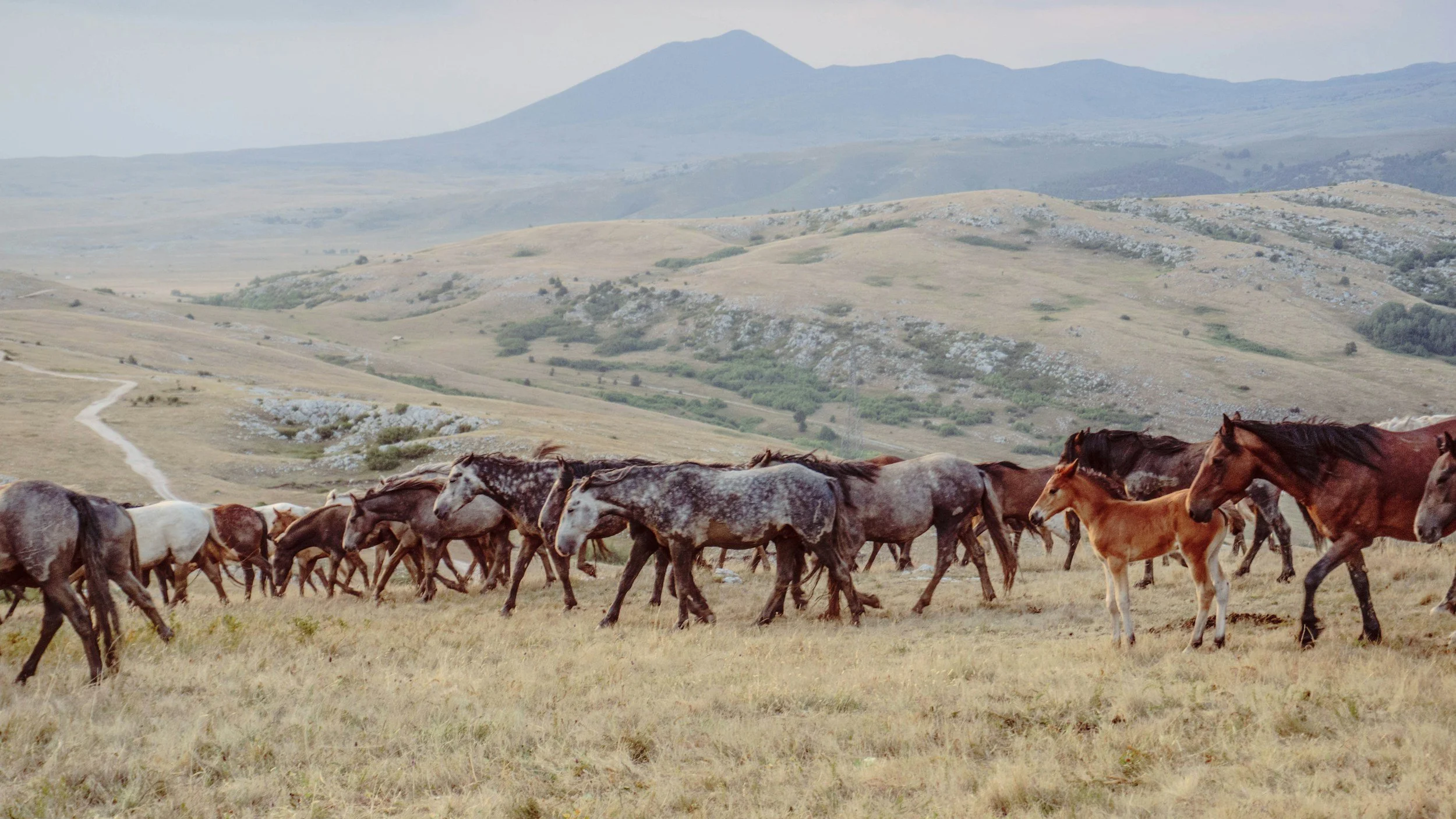
Bosnia's transport network is recovering from war damage, so plan ahead. Buses dominate, but renting a car offers flexibility for rural areas.
- Buses: Reliable and cheap for intercity travel. Companies like Autobusni Kolodvor connect Sarajevo to Mostar (2-3 hours, 20 BAM) and Banja Luka (4-5 hours, 30 BAM). Book via GetByBus or at stations. Rural routes are less frequent.
- Trains: Limited network; the scenic Sarajevo-Mostar line (2.5 hours, 10-15 BAM) is popular. Trains to Ploče (Croatia) for coastal access. Check ZFBH for schedules—delays tend to be common.
- Car Rental: Best for exploring national parks like Sutjeska or Una. Rent from airports or cities (from 30 EUR/day via Sixt or local firms). Roads are mostly paved, but secondary ones can be narrow; use GPS apps like Waze. Fuel costs 2-2.5 BAM/liter. Drive defensively—locals tend to speed on highways.
- Taxis and Rideshares: No Uber/Lyft; use official taxis like Red Taxi in Sarajevo (call 1503 in Mostar). Fares start at 2 BAM, plus 1 BAM/km. In cities, apps like Bolt may work sporadically.
- Public Transport in Cities: Sarajevo has trams, buses, and trolleybuses (one-way 2 BAM). Buy tickets from kiosks or drivers. Mostar is walkable; Banja Luka has buses.
- Tours and Alternatives: For day trips (e.g., to Srebrenica or Kravica Waterfalls), join guided tours via GetYourGuide. Hitchhiking is possible in rural areas but not recommended for safety.
Recent traveler tips suggest mixing public transport with tours for efficiency, especially without a car. Sarajevo is walkable with good sidewalks.
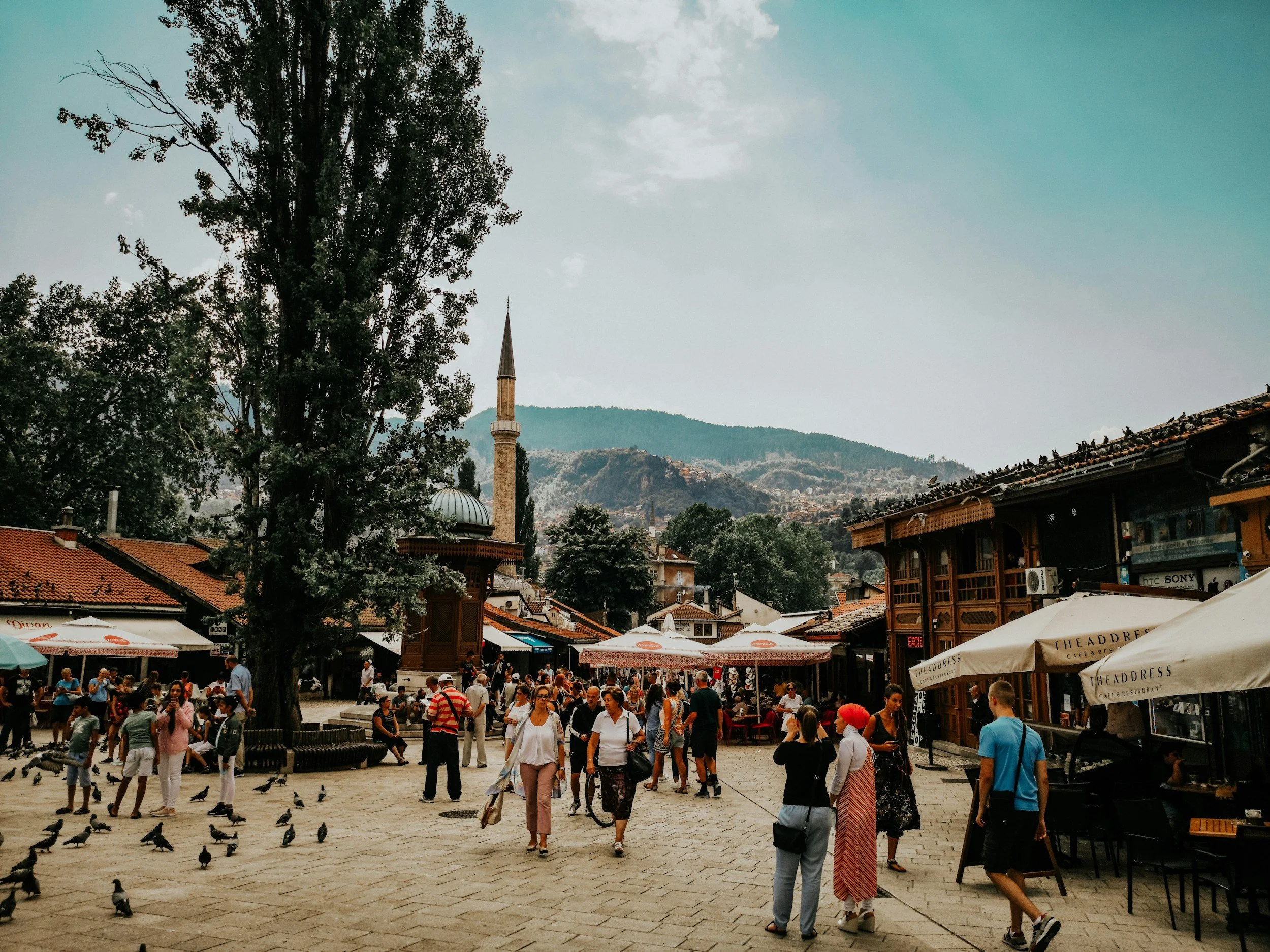
main square in Sarajevo
Top Destinations
- Sarajevo: The "Jerusalem of Europe" with mosques, churches, and synagogues. Visit Baščaršija bazaar, the Tunnel of Hope (war museum), and hike to Yellow Bastion for views. Don't miss the Latin Bridge, site of Archduke Franz Ferdinand's assassination which ignited WW-I.
- Mostar: Famous for Stari Most (Old Bridge), a UNESCO site where divers jump into the Neretva River. Explore Ottoman quarters, the Herzegovina Museum, and nearby Blagaj Tekke (a Dervish monastery by a cliffside spring).
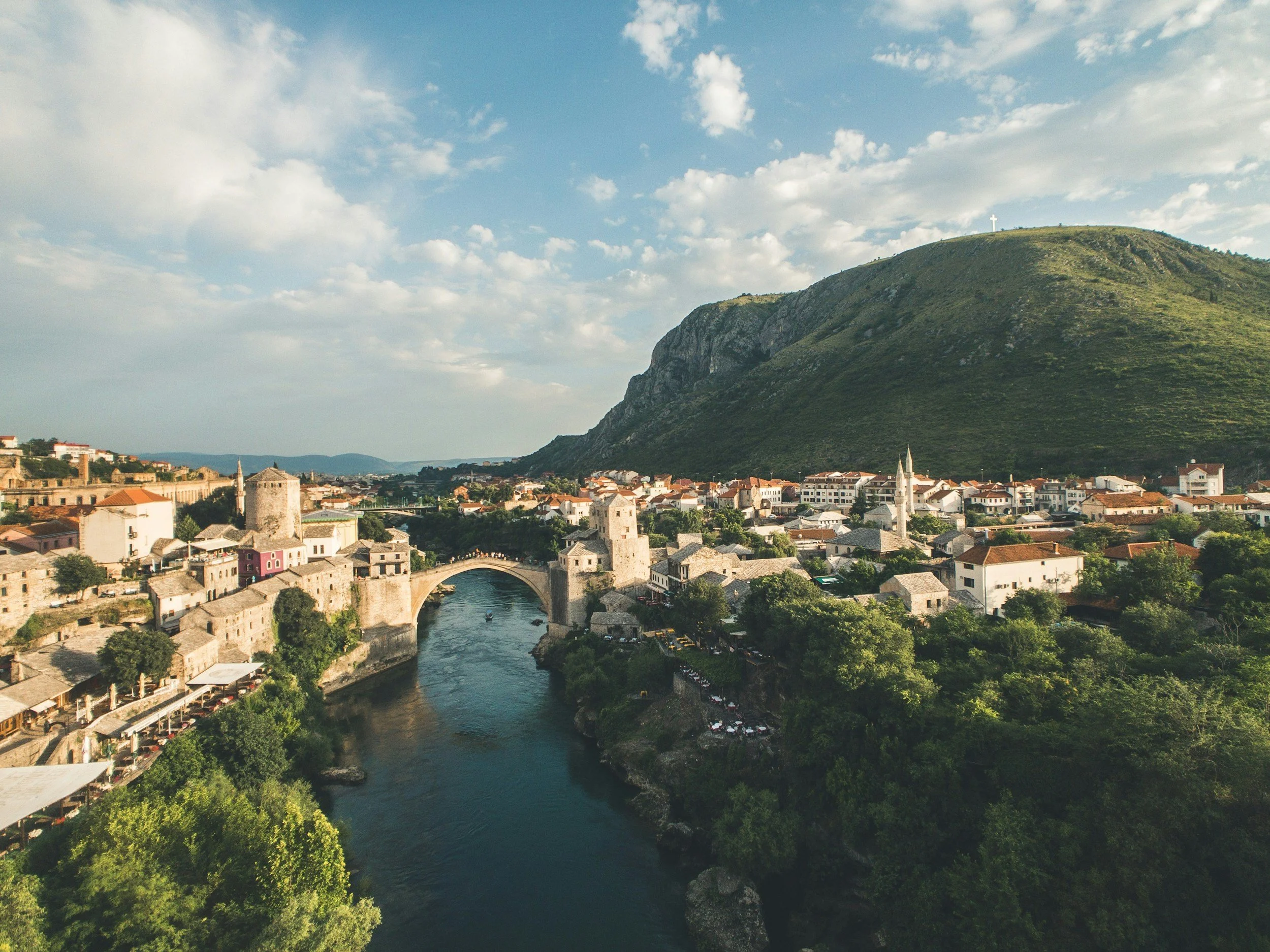
the iconic Mostar bridge
- Banja Luka: In Republika Srpska, with Kastel Fortress and Vrbas River rafting. More Orthodox influence, great for craft beer and parks. It’s a student city with a young population. It has an airport on a 30 mn drive and scenic hills and waterfalls around. However take into account there’s not to much to see and do in the city.
- Blagaj and Pocitelj: Day trips from Mostar—Blagaj's tekke is mystical, Pocitelj a stone village fortress.
- Bihac: close the Croatian border and a charming, old city know for it’s delicious honey cakes.
- Nature Spots: Kravica Waterfalls for swimming, Una National Park for rafting, and Visegrad's Mehmed Paša Sokolović Bridge (another UNESCO gem).
Things to Do
Hike in Sutjeska National Park (home to Europe's oldest primeval forest), raft on the Neretva or Tara Rivers, or ski in Bjelašnica. Cultural highlights: Sarajevo's museums, Mostar's bridge jumping (watch pros), and wine tasting in Herzegovina. Adventure options include paragliding over mountains or cycling the Ciro Trail (old railway path). For history, tour war sites respectfully.
Food and Drink
Bosnian cuisine is hearty and Ottoman-inspired. Try cevapi (minced meat in pita with onions), burek (flaky pastry with meat/cheese), dolma (stuffed veggies), and klepe (dumplings). Sweets like baklava and tufahija (apple dessert). Drink rakija (fruit brandy), local beers (Sarajevsko), or Bosnian coffee (strong, unfiltered). Vegetarians: Shopska salad or grilled veggies. Meals cost 10-20 BAM; street food is cheap. Bosnia ranks high in coffee consumption at 4.3 kg per capita annually.
Accommodations
Budget hostels in Sarajevo start at 15 BAM/night; mid-range hotels 50-100 BAM. Airbnb offers apartments in historic areas and is especially suited for mid to long term stays as you’ll have more space compared to a hotel room in most cases. Luxury options like Hotel Europe in Sarajevo. In rural spots, guesthouses (pansions) provide home-cooked meals.
Safety and Practical Tips
Bosnia is safe for tourists, but watch for pickpockets in crowds in cities like Sarajevo and Mostar but it tends to be rare. Landmines remain in remote areas—stick to marked paths. Tap water is drinkable in cities. Currency: Convertible Mark (BAM), tied to Euro (1 EUR ≈ 1.95 BAM). ATMs are widespread; cards accepted in cities. English is spoken in tourist areas especially by the younger geneation; learn basics like "hvala" (thanks). Respect religious sites—cover shoulders/knees in mosques. Tipping: Round up for service. SIM cards cheap for data. Renting a car? International Driving Permit advised. For nature, a car is best.
This underrated country rewards curious travelers with unforgettable scenery and hospitality—plan at least 5-7 days to scratch the surface!