Biochar - the scaling challenge
How to scale biochar projects from small pilot operations to investable, industrial-level ventures? Biochar has enormous climate and commercial potential, but developers must tackle several financing and operational hurdles to unlock it. Worldwide, an increasing number of biochar projects are emerging but most remain small. Many small ‘artisanal’ sites produce biochar in half open pits. While there is a geographical maximum perimeter (and thus input) for biomass feedstock that can be processed in any given plant, the potential remains largely untapped. This is a pity as Biochar Carbon Removal (BCR) is the most scalable and cost effective method of removing carbon dioxide from earth’s atmosphere.

charcoal is essentially biochar
Why Biochar Matters
Biochar stands out among carbon-removal technologies because it’s proven, relatively affordable, and already delivering most of today’s engineered carbon removal credits. Demand is rising fast—led by major corporate buyers like Microsoft, Google, and Frontier—yet supply remains limited. To close this gap, developers need to industrialize quickly.
The Scaling Challenge
Even though investors are increasingly interested, many biochar projects struggle to attract capital. The report highlights a key issue: bankability. Investors want confidence in future cash flows, and at the moment, biochar projects often can’t demonstrate the certainty required.
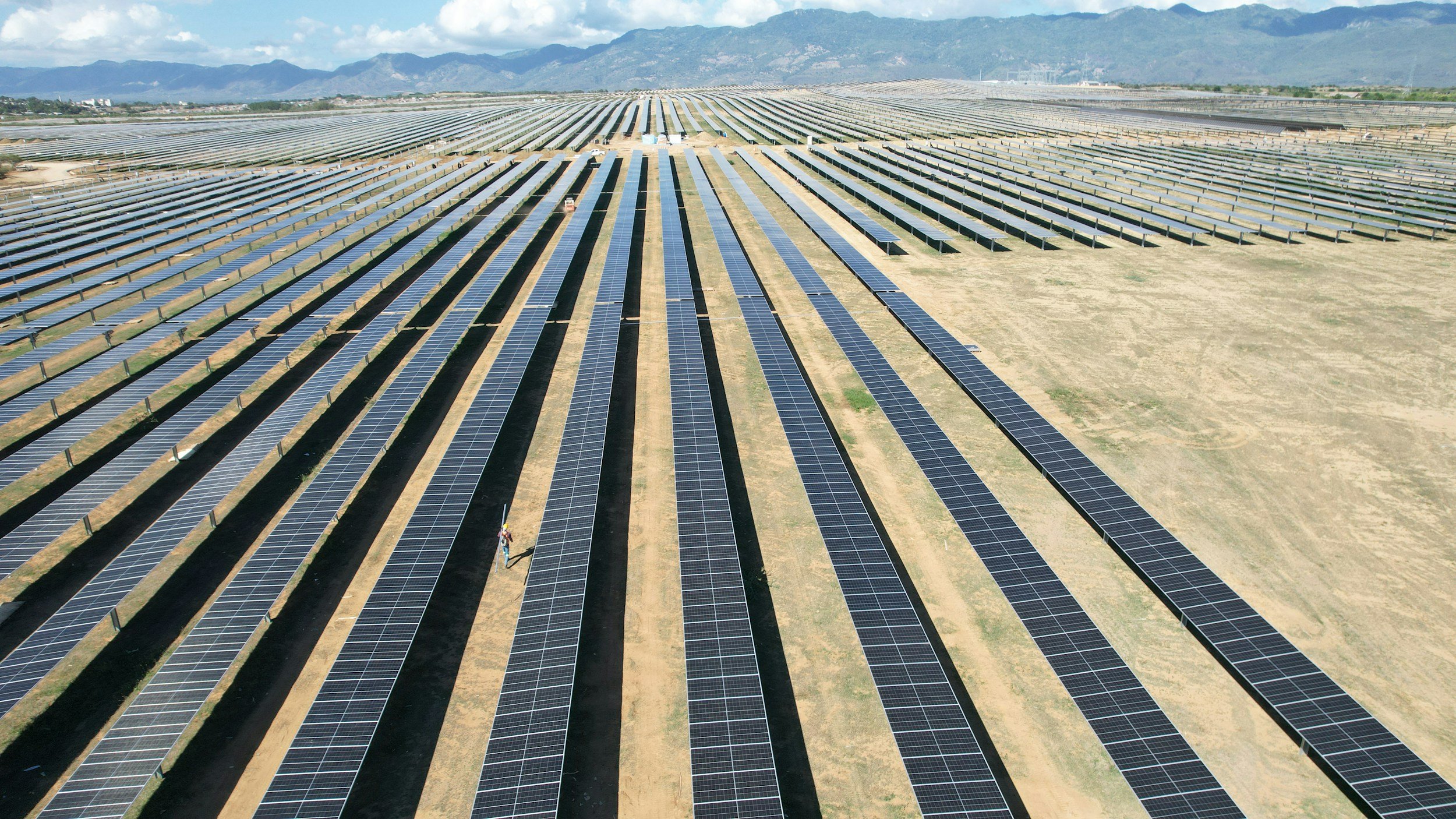
learning from solar; the sector has scaled tremendously leading to very competitive energy prices
The Five Main Barriers
Five roadblocks developers currently face:
Financing & Contract Structure
Investors prefer long-term, low-risk revenue certainty. That means well-designed offtake contracts with fixed delivery volumes, clear payment schedules, and enforceable remedies. Ambiguity kills deals.Voluntary Carbon Market (VCM) Contracts
Biochar credits currently sit outside compliance markets, so developers rely on voluntary buyers. Supply is limited, demand is concentrated among a handful of big tech companies, and buyers hold most of the negotiating power. Strong, transparent contracts and robust MRV systems are essential.Multi-Revenue Models & Credit Pricing
Viable projects typically need at least two of three revenue streams: carbon credits, physical biochar sales, or energy byproducts. Managing these moving parts—especially while proving “additionality” for carbon crediting—can be tricky and resource-intensive.Technology Selection & Risk Management
The pyrolysis tech landscape has exploded. Choosing the right system means balancing cost, reliability, feedstock type, site conditions, and long-term performance risk. Co-location with existing industrial sites is becoming popular but requires careful integration.Documentation, Permitting & Compliance
The administrative load is heavy: LCAs, MRV, environmental permitting, registry reporting, safety compliance, and proof of permanence. Developers must plan early, standardize paperwork, and budget for specialist expertise.
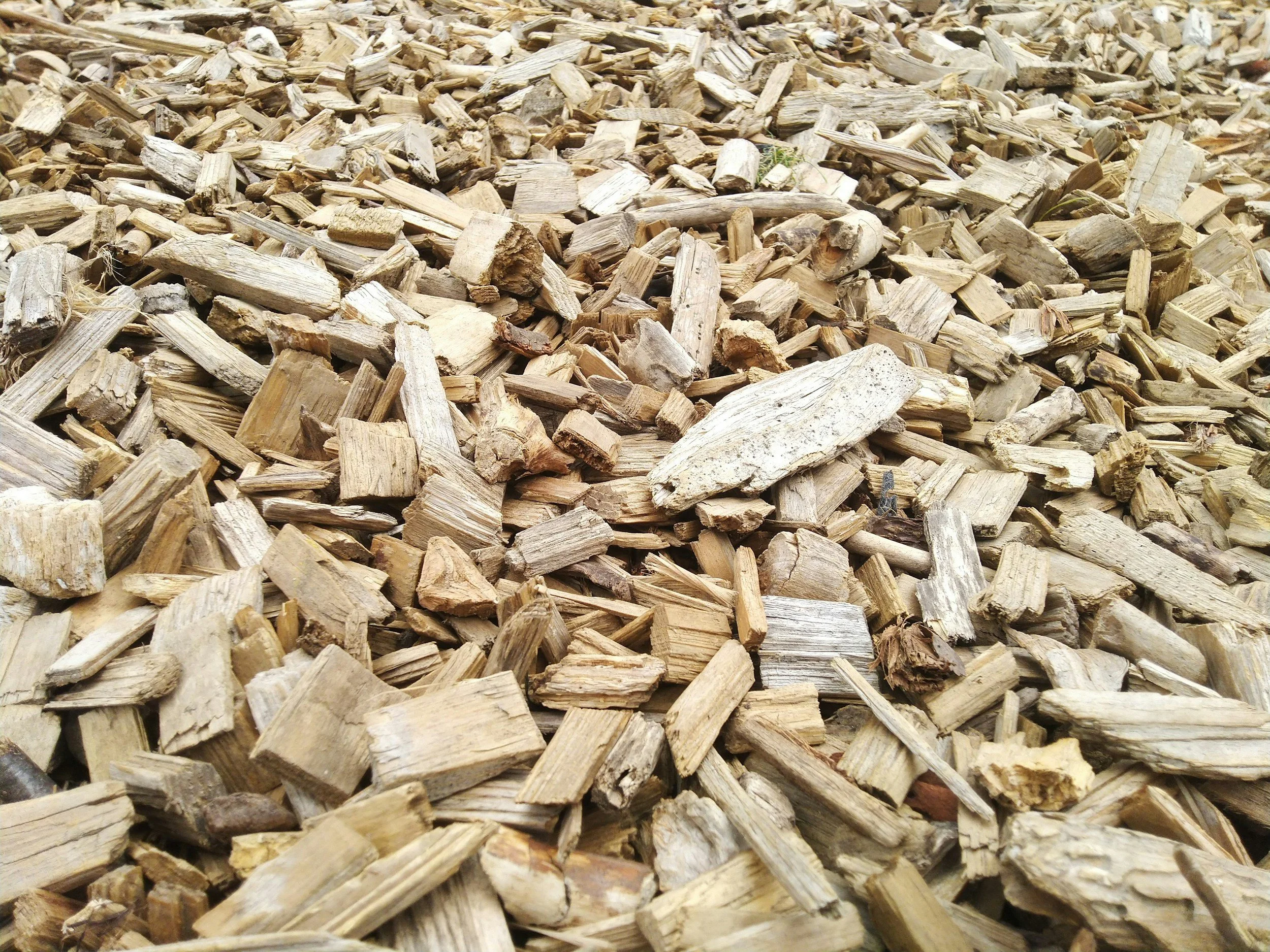
wood chips are an excellent feedstock for biochar pyrolysis
Insurance as an Emerging Enabler
Insurance—especially for non-delivery and credit-quality risks—is becoming a critical tool for unlocking financing. While historically expensive and difficult to secure, new biochar-specific insurance products (e.g., from Kita) are making risk transfer more accessible.
What Developers Can Do
Design bankable, investor-friendly offtake agreements
Diversify and clearly articulate revenue streams
De-risk operations through strong technology choices and contingency planning
Engage regulators early and maintain transparent, high-quality data
Pitch projects through both engineering and investor lenses
The Big Picture
The opportunity is huge—and urgent. Biochar facilities need to scale by orders of magnitude to meaningfully reduce atmospheric carbon. The technology is ready, and investor interest is high. The missing link is developers demonstrating the level of professionalism, predictability, and risk management that infrastructure investors expect.
With the right strategic moves, the sector can mature rapidly, bringing in mainstream capital and positioning biochar as a cornerstone of global carbon-removal efforts.