New Orleans from a European perspective
We venture into New Orleans, and right away, we're struck by how pricey this gem of Louisiana can be! If this sets the tone for the rest of the United States, we're in for a surprise—prices here often eclipse those back in Europe. Imagine shelling out nearly $14 for a single 700-gram passion fruit (that's pitaya to some) at Whole Foods.
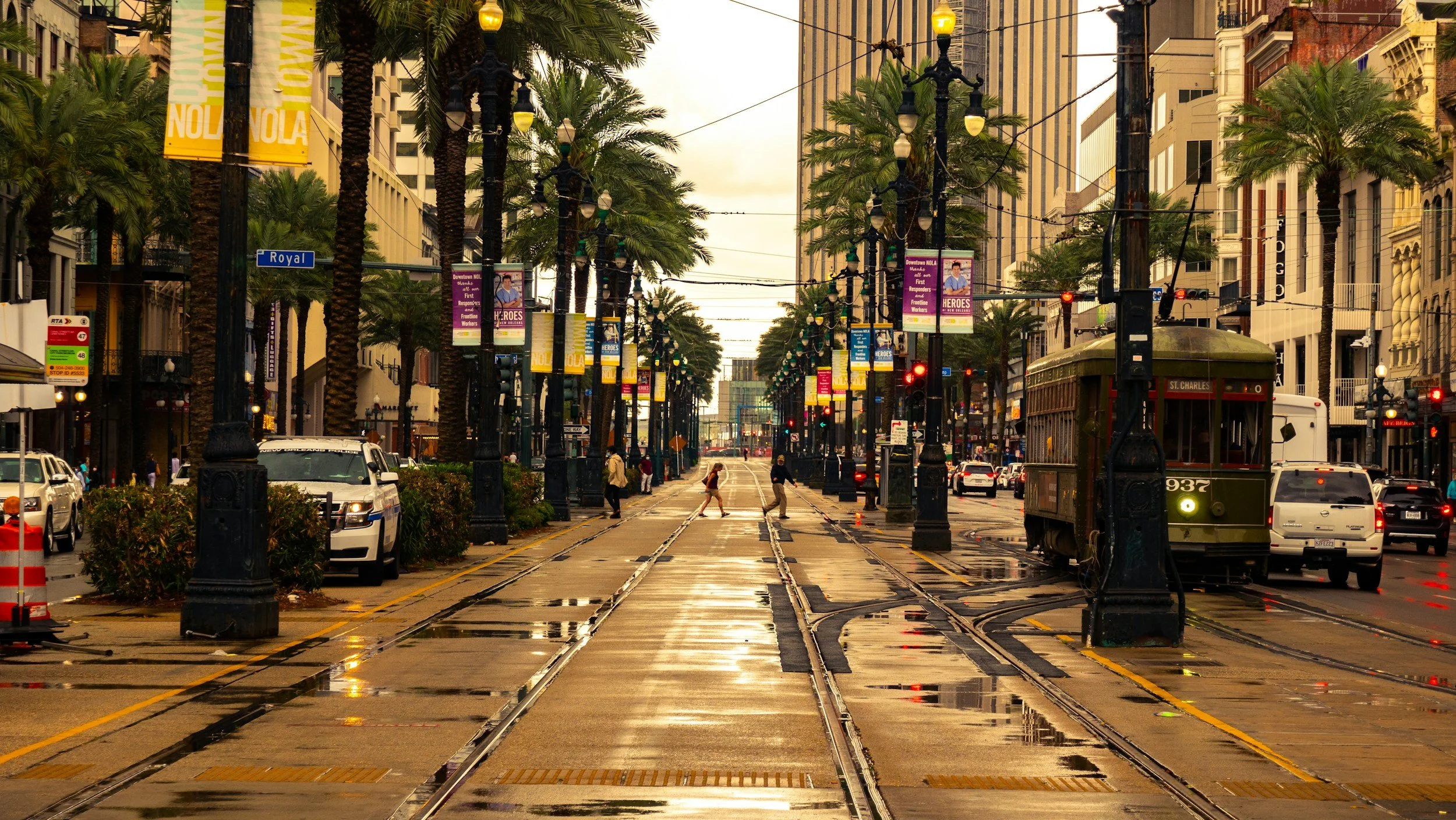
And accommodations? We can't find a private room in the heart of the city for under 100 euros a night. Instead, we settle for four nights in a hostel on Canal Street, that iconic divide between the lively, colonial charm of the French Quarter and the sleek, towering American business district. The heat envelops us like a thick, humid blanket in this city born from soggy swamps, where coats are a rarity pulled out only a handful of times each year. On the streets, pungent odors mingle with the refreshing blasts of air from shops cranking their AC to arctic levels. We navigate carefully, sometimes stepping over the homeless—wandering souls who seem lost in their own worlds but leave us be. Yet, as night falls on NOLA, or "The Big Easy" as it's affectionately known, we sense the undercurrents of danger. This state holds the grim distinction of leading the nation in both prisoners and murders per 100,000 residents. It's a "red" stronghold (even during the Obama era), though its urban hearts, like so many in red states, pulse with "blue" votes.
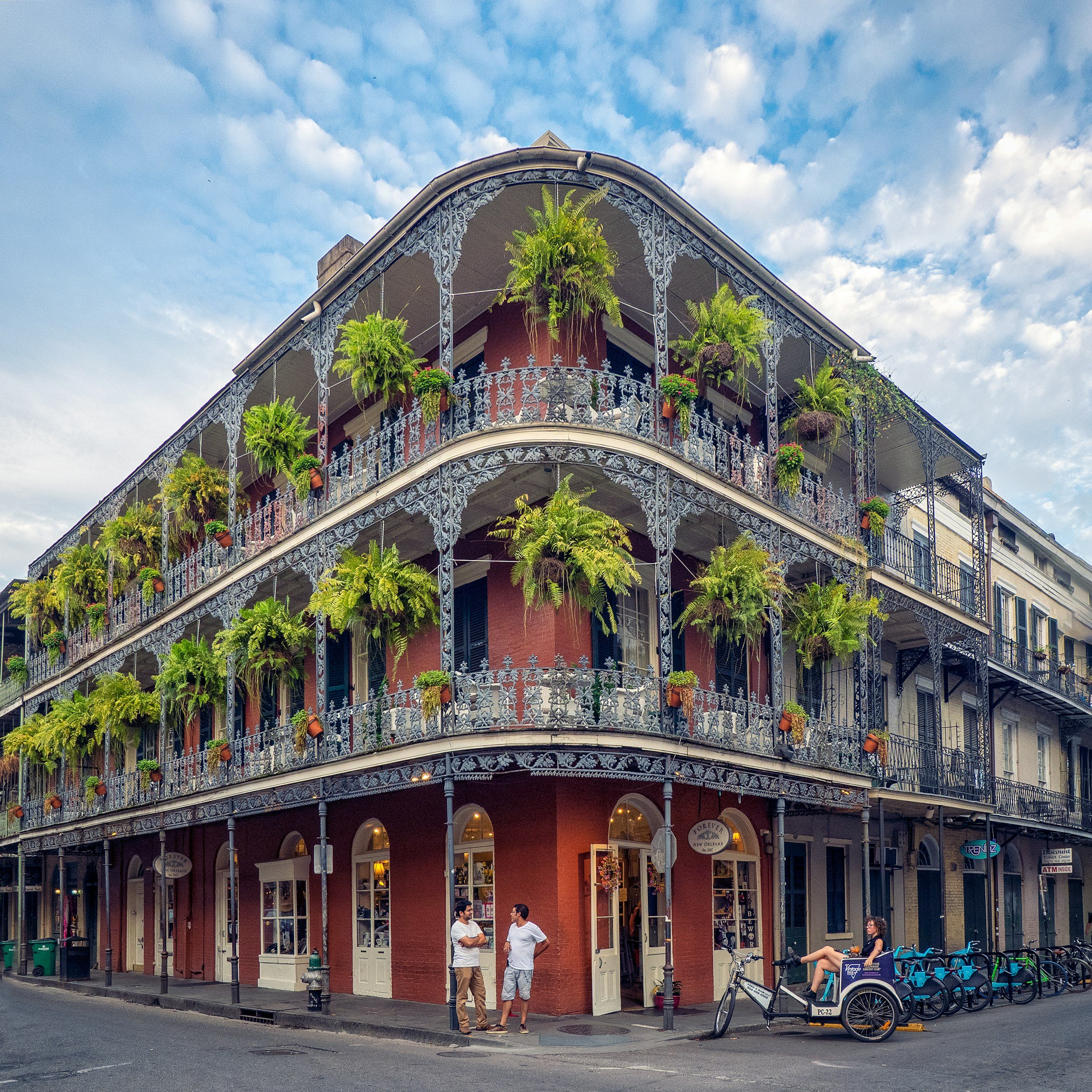
the French quarter
Long ago, Spanish explorers like Hernando de Soto dismissed this sweltering, alligator-infested swamp riddled with tropical maladies as unworthy. But fate wove a different tale: the vast Mississippi basin—from New Orleans stretching northward into Canada—fell under French colonial sway. (Fun fact: the Mississippi isn't even the longest U.S. river; that honor goes to its tributary, the Missouri.) As the young United States expanded, we can see why they eyed New Orleans as a vital logistical lifeline. So compelling was its promise that Napoleon himself bundled it into the Louisiana Purchase, handing over the territory to America. Yet, France's grip on much of that enormous expanse was tenuous at best, and the U.S. soon displaced and pursued the indigenous peoples who called it home.
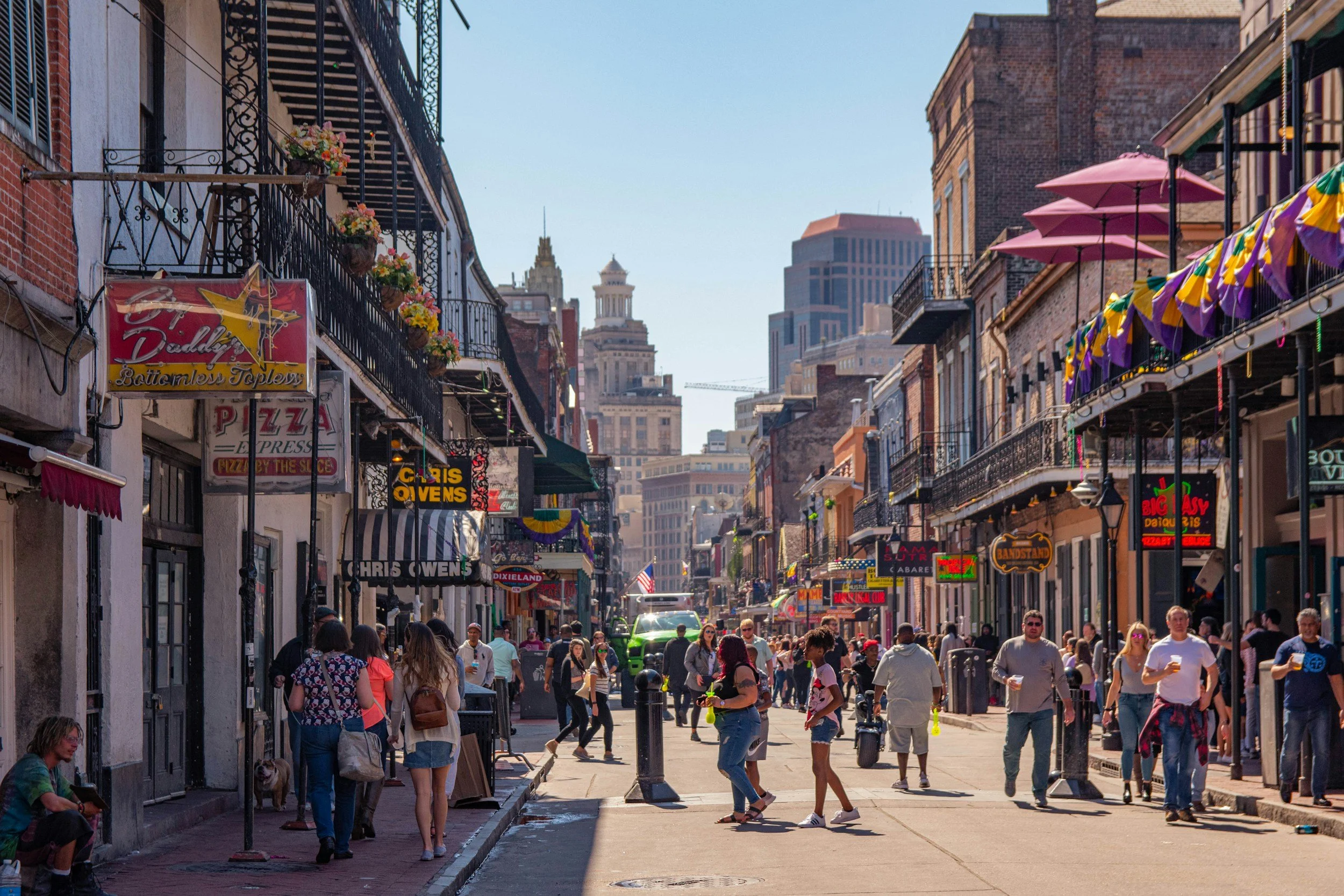
Rue Bourbon
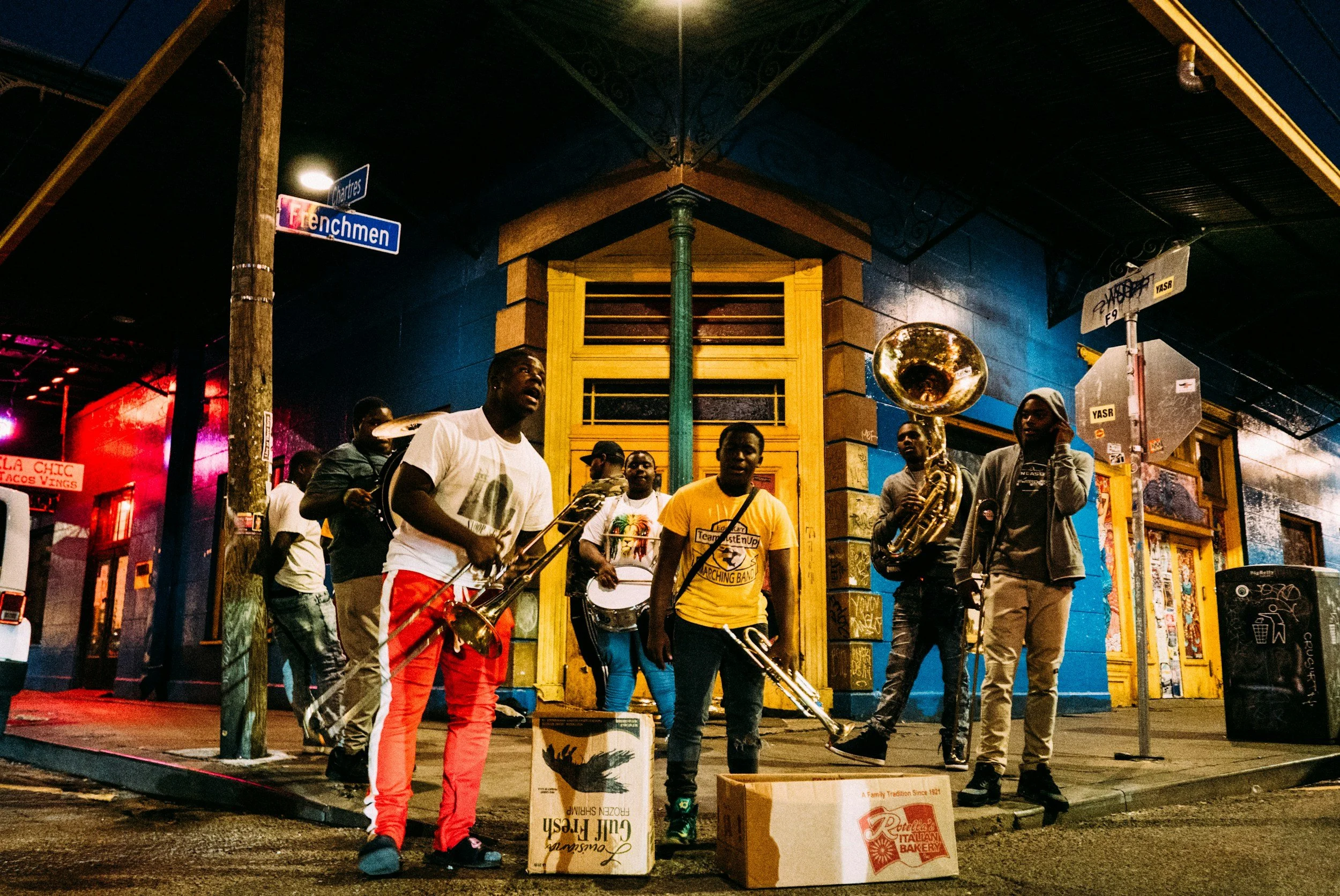
Today, we stroll through the French Quarter, a nationally celebrated playground of revelry, where colonial European architecture blends with whispered legends and the bold tradition of daytime shots. Jazz ensembles weave their magic through the air, completing a vibrant tableau. The wrought-iron French balconies, the Creole-infused cuisine, and the lingering Gallic names hark back to echoes of a bygone era. But let's not be fooled by the facade—the French essence endures vibrantly. Scattered across Louisiana, over 100,000 souls still converse in French! These resilient Cajuns trace their roots to a final exodus from Acadia (now part of Quebec), where British forces once drove them out.
We can't discuss New Orleans without reflecting on Hurricane Katrina, the most devastating natural catastrophe to ever batter the U.S. Back in late August 2005—while one of us was studying in Michigan—the harrowing TV footage etched itself into our memories: the relentless floods, the Superdome transformed into a chaotic refuge that grew intolerable within days. The hurricane's eye grazed just east of the city, but the destruction was apocalyptic. Why? Much of New Orleans lies below sea level, and the overwhelmed levees and pumps buckled under the onslaught from the Mississippi River and surrounding lakes. Vast swaths of the city submerged, trapping the poorest residents—those without means to escape—like cornered animals in a deluge.
Two-thirds of the population here is Black, amplifying the tragedy's human toll. Aid arrived haltingly, strained by bureaucracy, sparking whispers of racism. The mayor didn't mince words, declaring that if New York or Los Angeles had been struck, the response would have been swift and unyielding. For years prior, federal funds for water management had been siphoned off to fuel the war on terror, leaving vulnerabilities exposed. President Bush faced a torrent of criticism—he only cut short his vacation after two days, and his FEMA appointees fumbled disastrously. In a twist of global irony, even adversaries like Cuba, North Korea, and Iran extended offers of assistance. In the disaster's wake, we learned that experts turned to the Delta Works in Zeeland, Netherlands, for inspiration on fortifying against future floods and taming the waters.
Even in everyday encounters, like browsing a local shoe store, we're overwhelmed by the eager salespeople who swarm us with offers of help every few minutes. As Europeans, it feels intrusive, almost pressuring us into a purchase out of sheer politeness. The commercial zeal permeates everything—from flashy sales promotions on supermarket packaging to the relentless transaction focus in shops. And then there's the tipping culture, which leaves us wide-eyed. At restaurants, an 18% "gratuity" line on the bill prompts a double-take. Wherever service plays a role, tips aren't just appreciated—they're expected, with anything below 15% deemed insufficient. The U.S. has long been infamous for this, but post-pandemic, it's escalated wildly. Workers in roles that never saw tips before now receive them out of empathy, while digital checkout screens amp up the social pressure with the cashier watching. Amid inflation's squeeze, restaurants juggle keeping menu prices affordable while luring top talent with the promise of those extra earnings. In "The Big Easy," we've discovered, nothing comes quite so easily—yet its raw energy and layered history keep drawing us deeper into its spell.