Slovakia - visit the heart of Central Europe
Slovakia, a landlocked nation in Central Europe, is renowned for its dramatic mountainous landscapes, medieval castles, and rich history influenced by various empires. With a population of about 5.4 million, it shares borders with Poland, Ukraine, Hungary, Austria, and the Czech Republic. The capital, Bratislava, sits on the Danube River and serves as a gateway to the country's diverse attractions, from the High Tatras mountains to UNESCO-listed sites like Spiš Castle. Despite its proximity to popular destinations like Vienna and Budapest, Slovakia remains relatively undiscovered by mass tourism, offering affordable adventures, hiking opportunities, and cultural experiences without the crowds. It's an ideal spot for nature lovers, history buffs, and budget travelers. Bratislava (formerly known as Pressburg) is well connected by train and has an airport. Daily train service between Prague and Budapest passes by and is reliable and fast. Many locals commute to (well paying) jobs in Vienna which is just 30-45 minutes away - and of course has an airport to from which to start a journey into Slovakia. The country shares much of its historical - cultural past with Czech Republic which is very much seen as brother nation. The formerly Czechoslovakia was a real industrial powerhouse in the early 20th century. One of the earliest and largest shoe manufacturers in the world - Bata - was founded there. Today Slovakia is home to many car manufacturing plants.
Best Time to Visit
Slovakia experiences four distinct seasons, making timing key to your trip. The shoulder seasons of May-June and September-October are ideal for hiking and sightseeing, with milder temperatures (around 20°C/68°F), fewer crowds, and beautiful autumn foliage in September. Summers (July-August) are warm (up to 27°C/81°F) and popular, but can be crowded in national parks. Winters (December-February) bring snow and sub-freezing temperatures, perfect for skiing in the Tatras, though many hiking trails close from November to June due to snow and avalanche risks. For balanced weather and lower prices, aim for late spring or early fall. Winter weather can be slightly depressing in a city like Bratislava but on the other hand there’s a lively Christmas market that time of the year and great restaurants to choose from. Bratislava is also known for many artisanal coffee roasters and sourdough bakeries.
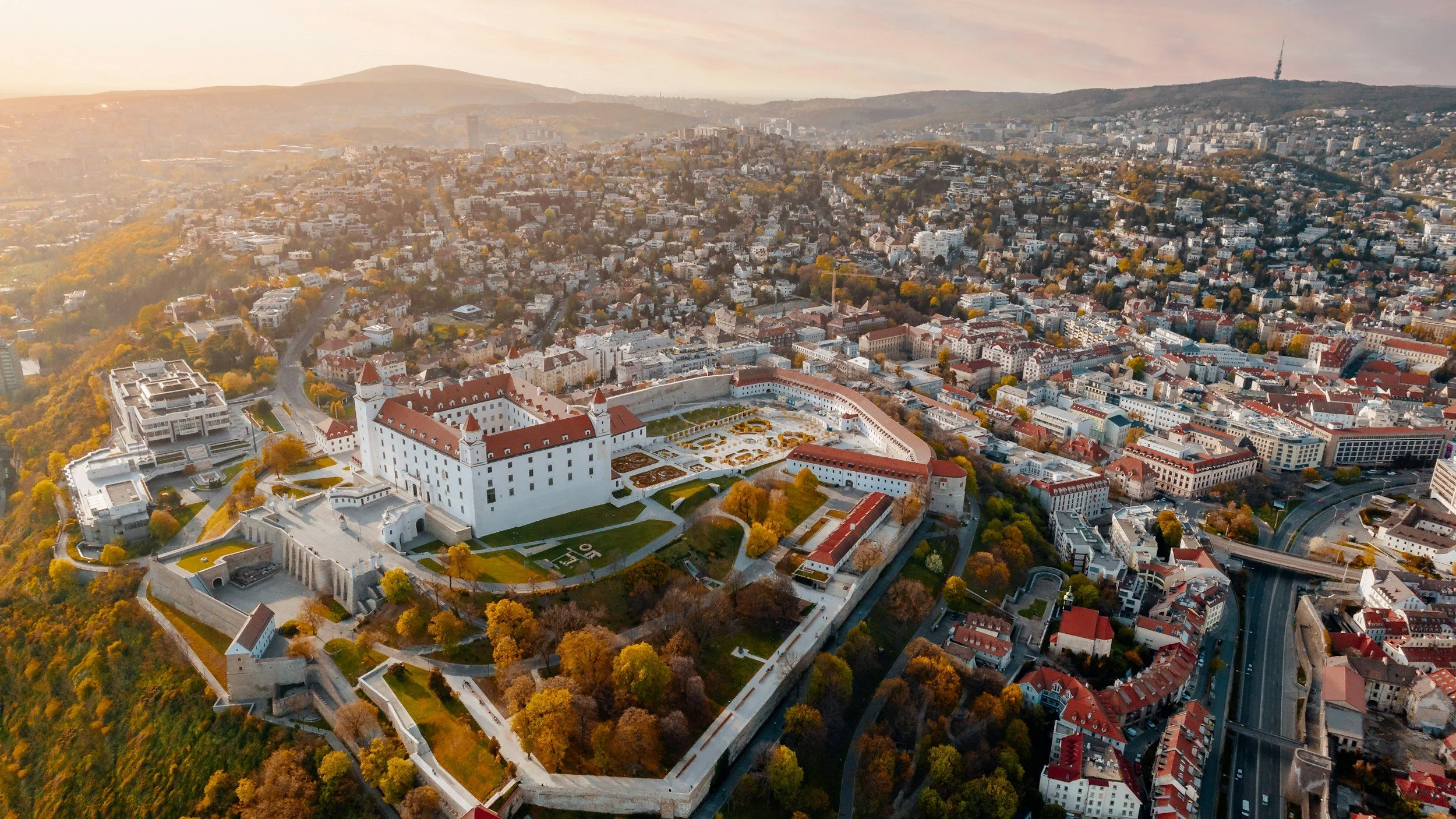
the gorgeous capital of Bratislava
How to Get There
Slovakia is accessible via air, rail, bus, or car, with Bratislava as the primary entry point.
- By Air: Fly into Bratislava Airport (BTS), which handles budget flights from major European hubs like London, Dublin, and Berlin via carriers such as Ryanair. For more options, consider Vienna International Airport (VIE) in Austria, just 1 hour away by bus or train (e.g., Flixbus for 9 EUR, 1 hour). Košice Airport (KSC) in eastern Slovakia serves limited international routes. Book flights 3-6 months in advance for deals; no domestic flights exist due to the country's small size.
- By Train: Efficient for arrivals from neighboring countries. From Vienna, trains take 90 minutes for 5 EUR; from Budapest, 2.5 hours for 10 EUR; from Prague, about 4 hours. Use operators like ZSSK (Slovak Railways) or international services like EuroCity. Book via the ZSSK app or website.
- By Bus: Affordable and frequent, especially with Flixbus. From Budapest, 2.5 hours for 12-26 EUR; from Vienna, 1 hour for 9 EUR. Buses are comfortable with Wi-Fi and outlets.
- By Car: Drive in from borders with an International Driver's Permit (IDP). Purchase a vignette (highway toll sticker) online at eznamka.sk or at borders to avoid fines. Hitchhiking is safe and common for short distances.
Visa requirements: Most nationalities (e.g., US, EU, UK, Canada, Australia) can stay up to 90 days visa-free in the Schengen Area. ETIAS authorization is expected to start in mid-2026, so check updates.
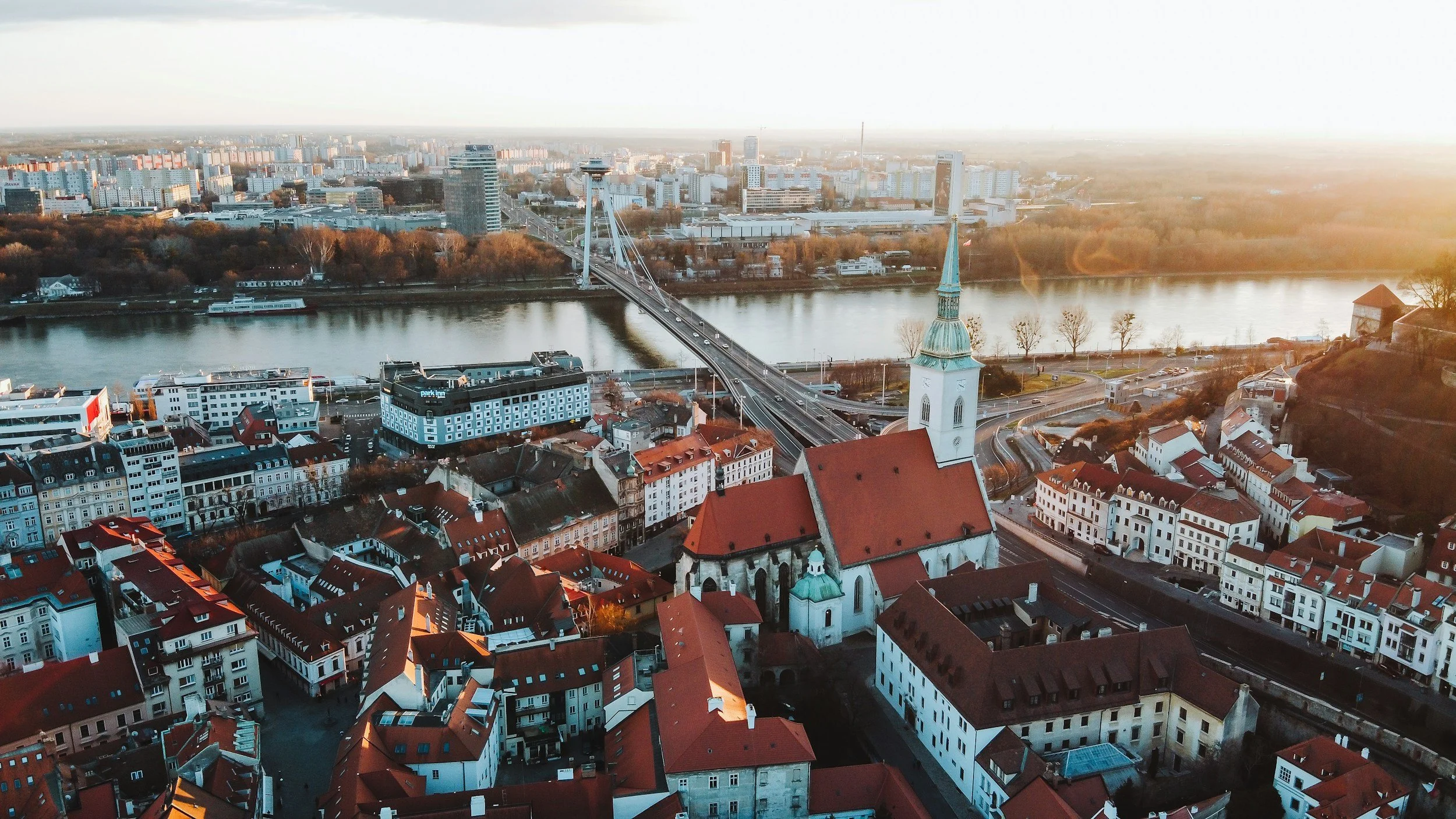
The Danube has long brought much wealth to the city
How to Get Around
Slovakia's compact size makes it easy to navigate, with reliable public transport and scenic roads. Renting a car offers the most flexibility for rural areas.
- Trains: Operated by ZSSK, trains are efficient, scenic, and connect major cities (e.g., Bratislava to Košice: 4-5 hours, 18-30 EUR; Bratislava to Poprad in the Tatras: 4 hours, 15 EUR). Categories range from local passenger trains (Os) to faster InterCity (IC). Book online or via app; seats recommended in peak season. Pros: Comfortable, reliable; cons: Fewer routes in rural areas. Specialty lines like steam heritage railways add charm.
- Buses: More extensive coverage, especially in remote spots, via providers like Slovak Lines or Flixbus. Affordable (e.g., Bratislava to Košice: 6.5 hours, 22 EUR). Check schedules on cp.sk; buy tickets from drivers or online. Pros: Direct, cheap; cons: Slower than trains on long routes.
- Cars: Rentals start at 25 EUR/day (multi-day deals better); ideal for national parks and castles. Roads are good, with highways requiring a vignette (10 EUR for 10 days). EVs have charging in cities but sparse elsewhere. Pros: Freedom, scenic drives; cons: Narrow rural roads, parking issues in cities, strict fines. Use GPS for Slovak signage.
- Bikes and Other: Over 13,000km of cycling routes, including EuroVelo paths along the Danube. Rentals widely available; helmets required outside cities for adults. In Bratislava, use integrated public transit (trams, buses, trains) with unified tickets (0.90 EUR for 30 minutes; day pass 4.50 EUR). Hitchhiking is safe; ridesharing via BlaBlaCar common.
For accessibility: Newer trains and low-floor buses accommodate wheelchairs; book assistance in advance.
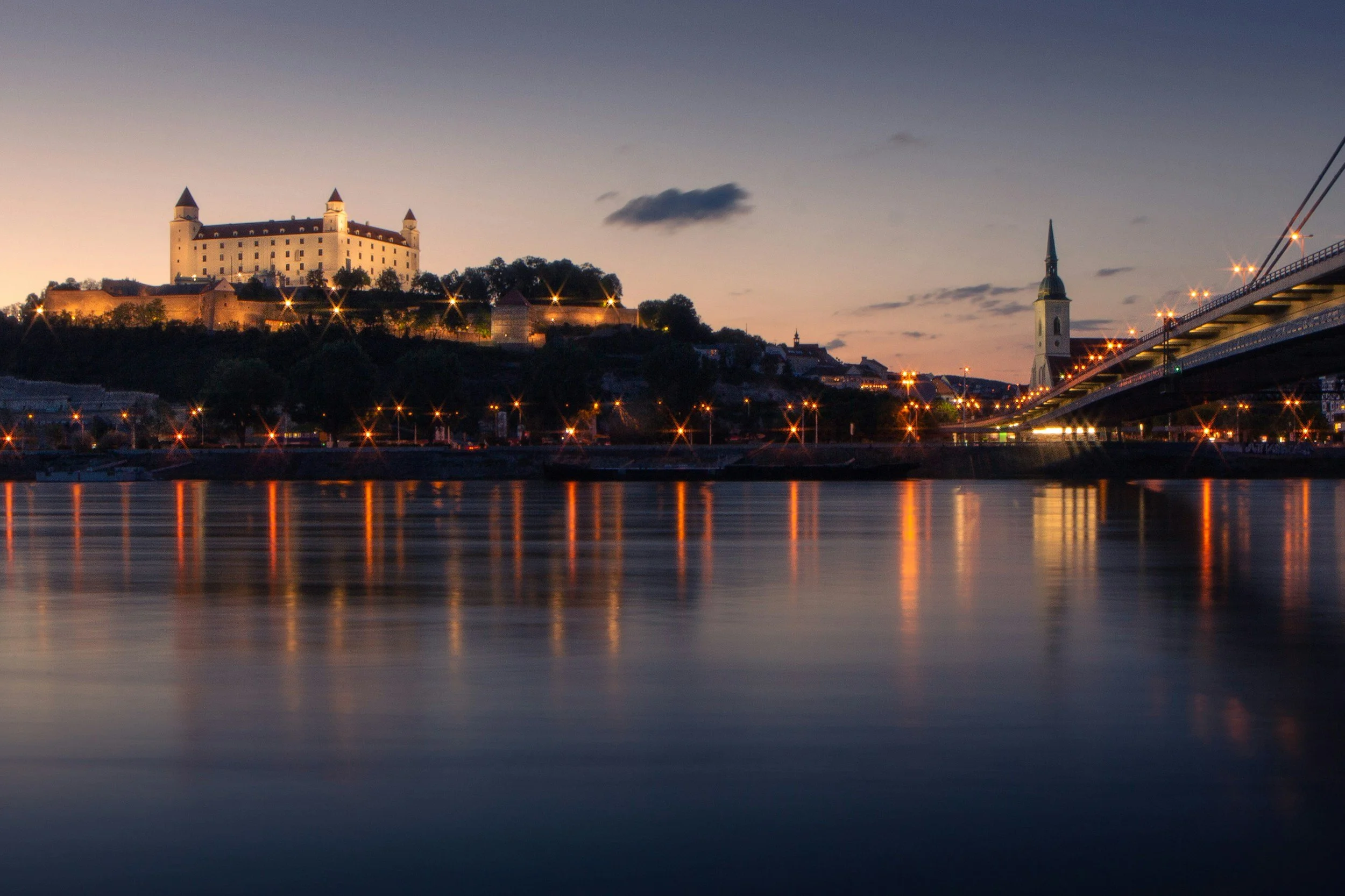
the castle on the hill in Bratislava
Top Attractions and Things to Do
Slovakia blends urban charm with outdoor adventures. Here's a curated list:
- Bratislava: Explore the walkable Old Town, climb Bratislava Castle for panoramic views, visit the Blue Church, and enjoy cafes and the music scene. It's a great base for day trips to Vienna or wine regions like Modra (tastings from 40 EUR). Use Getyourguide or Guruwalk to book walking tours or similar activities.
- High Tatras National Park: Europe's smallest alpine range offers hiking trails like Rysy (10 hours, challenging), Kriván (4 hours), or easy lakeside walks at Štrbské Pleso. Take cable cars to peaks like Lomnický štít (59 EUR round-trip). Winter skiing at resorts like Jasná (lift passes 8-49 EUR). Entry is free. Use apps like komoot, strava or all trails to find suitable hiking routes.
- Spiš Castle: One of Europe's largest medieval ruins (UNESCO site); explore towers and exhibits. Nearby, visit Dobšinská Ice Cave (9 EUR, 30 minutes) with stunning ice formations.
- Slovak Paradise National Park: Adventure hiking with over 100km of trails through gorges, waterfalls, and canyons using ladders, chains, and bridges. It's like an outdoor obstacle course; prepare for wet conditions.
- Košice: Eastern hub with the Gothic St. Elisabeth Cathedral and a historic center packed with monuments. Join the annual Peace Marathon (37 EUR entry) in October.
- Other Highlights: Banská Štiavnica (UNESCO mining town with open-air museum, 10-25 EUR); Slovak Karst Caves (e.g., Domica with boat rides, 9 EUR); rock climbing in Terchová (guided 80 EUR); thermal spas like Sklené Teplice (baths from 70 EUR/night).
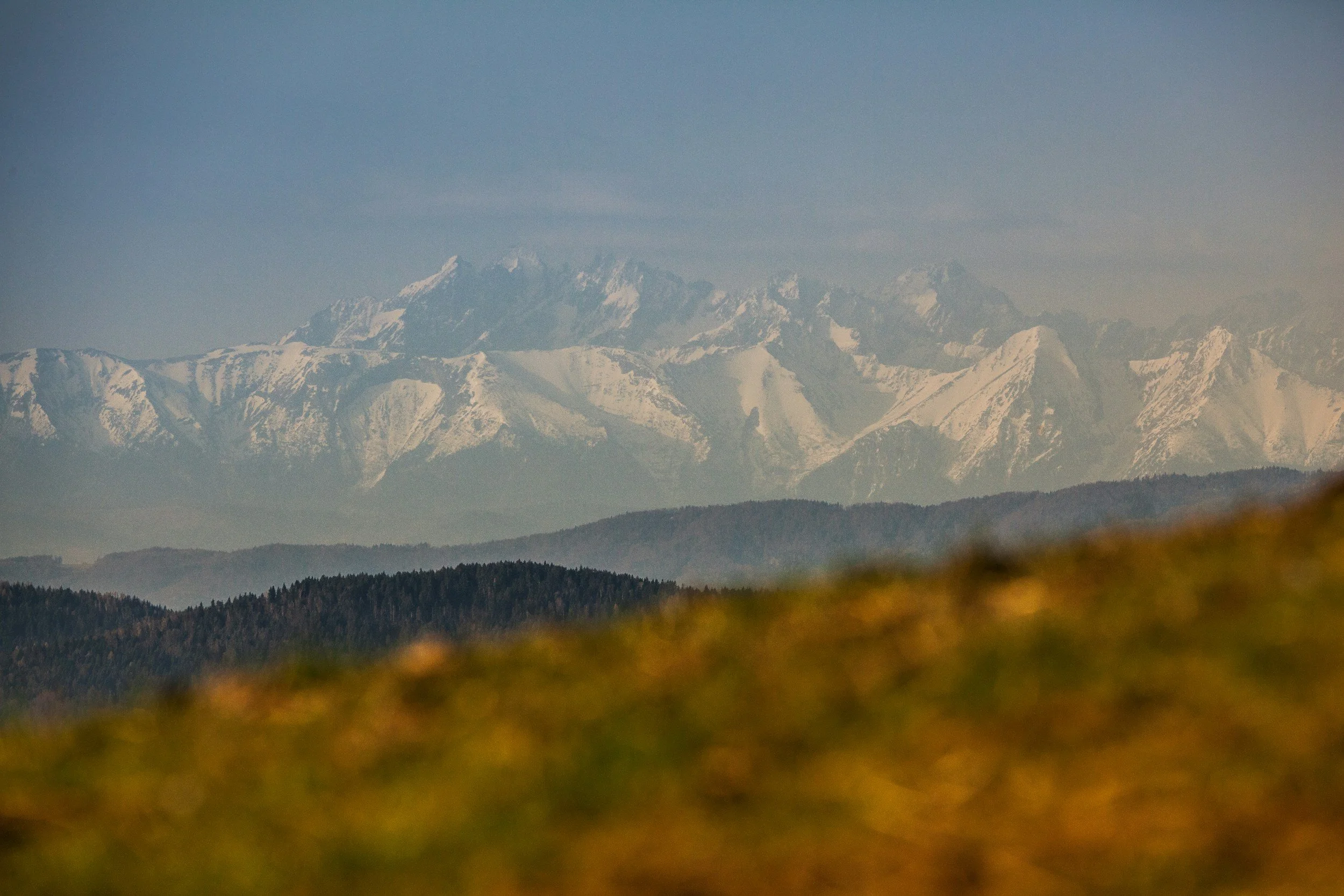
the high Tatras
Suggested Itineraries:
- 3-4 Days: Base in Bratislava; day trips to wine regions or castles.
- 7 Days: Bratislava (2 days), High Tatras (3 days), Košice (2 days).
- 10-14 Days: Add Slovak Paradise, Spiš Castle, and Banská Štiavnica.
Accommodation
Options suit all budgets:
- Hostels: 9-17 EUR/night for dorms (e.g., Wild Elephants in Bratislava).
- Budget Hotels/Guesthouses: 25-40 EUR/night.
- Airbnbs: Rooms 25 EUR, apartments 50 EUR.
- Campsites/Mountain Huts: 14-16 EUR; book huts early for hikers.
- Luxury: 150+ EUR/night.
Wild camping is legal on public land outside parks.
Food and Drink
Slovak cuisine is hearty and affordable. Try bryndzové halušky (potato dumplings with sheep cheese), kapustnica (sauerkraut soup), or vyprážaný syr (fried cheese). Meals cost 7-20 EUR; beer 1.50-2.50 EUR; wine 2.50-4 EUR. Good vegan options exist in cities (e.g., Vegan Kiosk in Bratislava). Shop at supermarkets like Tesco for groceries (20-35 EUR/week). Visit markets like Bratislava's Old Market Hall for local produce and festivals.
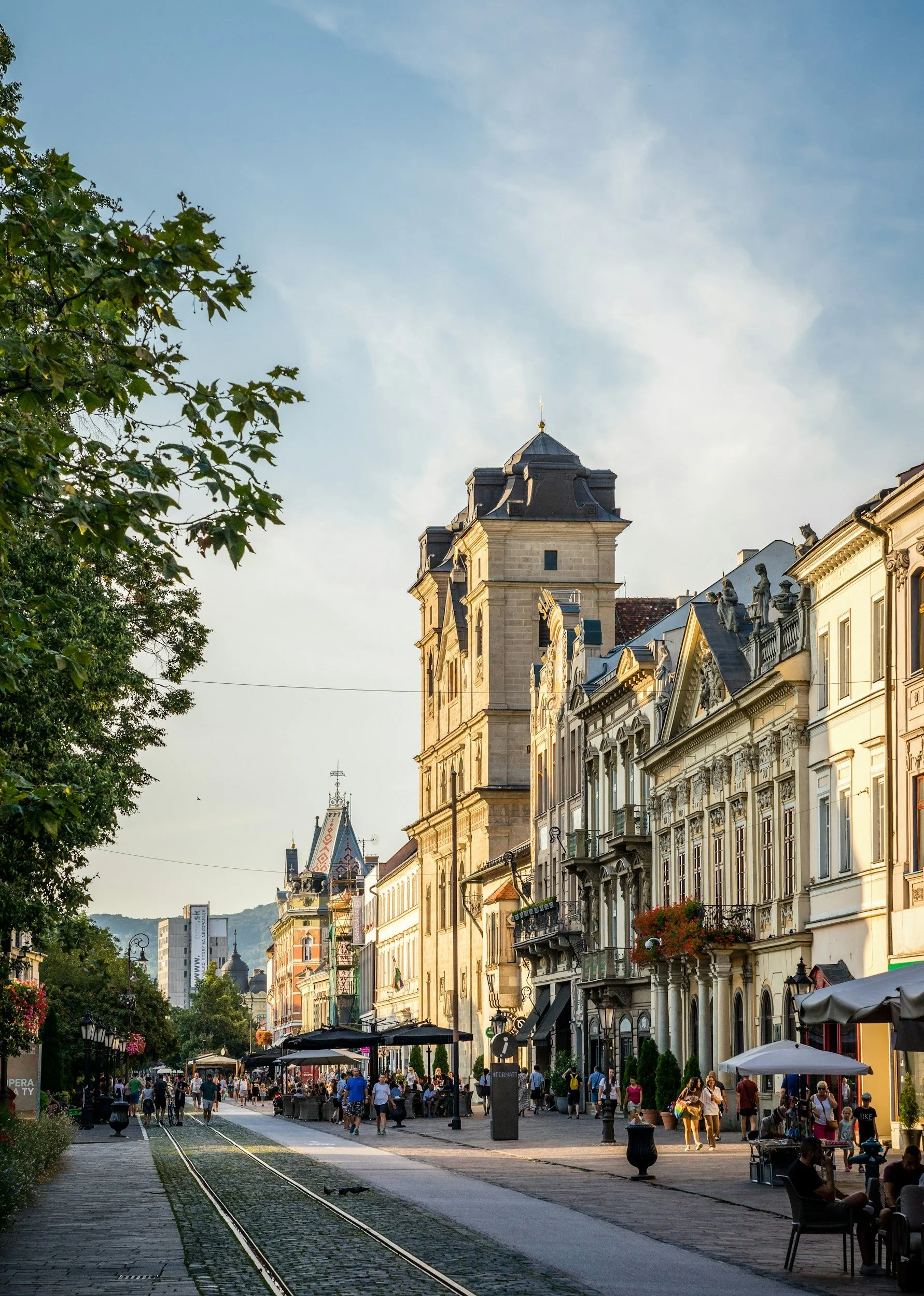
city of Kosice situated east in the country
Budget and Costs
Slovakia is budget-friendly. Daily estimates per person:
Budget Level Daily Cost (EUR) Inclusions
Backpacker 35-60 Hostel dorm, self-cooked meals, public transport, free activities
Mid-Range 70-130 Mid-range hotel, casual dining, trains/car rental, paid attractions
Luxury 150+ High-end hotel, fine dining, private transfers
Money-saving tips: Use free walking tours, tap water (safe; bring a reusable bottle), lunch specials, and Flixbus. Attractions like caves cost 9 EUR; cable cars 59 EUR.
Safety and Practical Tips
Ranked as one of Europe's safest countries (19th globally), with low violent crime. Watch for pickpocketing in Bratislava's Old Town; secure valuables. Hiking: Check weather, carry gear (flashlight, raincoat, first aid), inform others of plans, and get mountain rescue insurance (emergency: 18300 or 112). Solo travelers (including women) feel safe; driving requires caution on mountain roads. English is spoken in tourist areas; greet with "Dobrý deň." Currency: Euro. Power: Type C/E plugs. Tap water is safe. Get travel insurance for activities. Tipping: 5-10% if satisfied.