Jordan, an up to date travel guide for 2026
Jordan is a captivating Middle Eastern gem that blends ancient history, stunning natural landscapes, and warm hospitality. From the rose-red city of Petra to the otherworldly deserts of Wadi Rum and the buoyant waters of the Dead Sea, it's a destination that rewards adventurers, history buffs, and relaxation seekers alike. With a rich cultural tapestry influenced by Nabateans, Romans, and Bedouins, Jordan offers immersive experiences like hiking ancient trails, floating in mineral-rich seas, or savoring aromatic spices in bustling souks. As of late 2025, tourism is rebounding strongly, with improved infrastructure and eco-friendly initiatives in places like the Dana Biosphere Reserve. This guide covers everything you need for a memorable trip, including practical tips on arrival and navigation.
Best Time to Visit
Jordan's climate varies by region, but the ideal windows are spring (March to May) and autumn (September to November) when temperatures are mild (15-25°C/59-77°F), perfect for exploring outdoors without the summer heat (up to 40°C/104°F) or winter chills (down to 5°C/41°F). Summer suits beach time in Aqaba, while winter is great for cultural sites with fewer crowds—though pack layers for evenings. Avoid Ramadan if possible, as services may be limited, but it's a fascinating time for cultural immersion. Shoulder seasons offer the best balance of weather, affordability, and availability at popular spots like Petra.
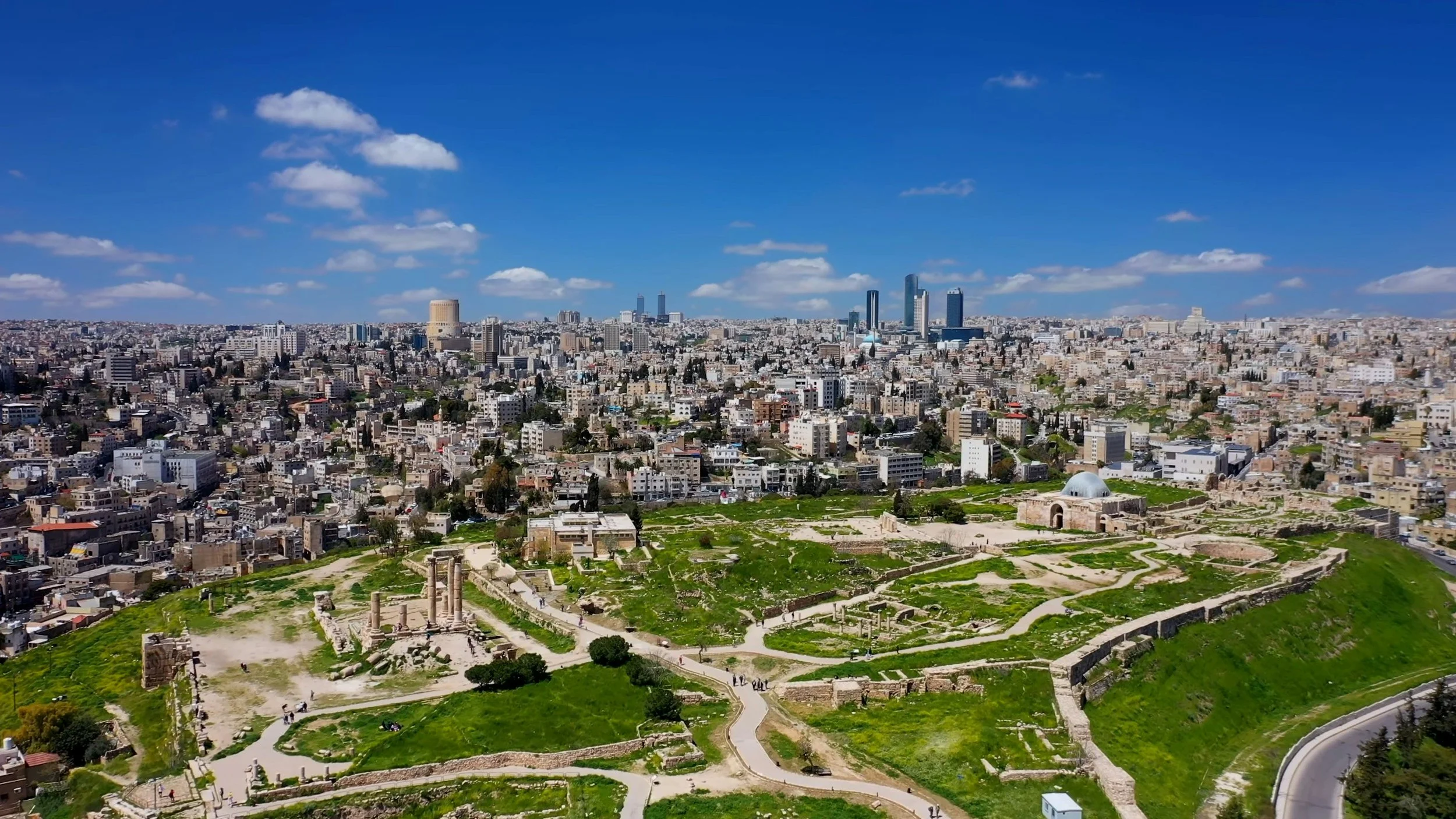
capital city of Amman
How to Get There
Jordan is accessible by air, land, or sea, with Amman as the primary gateway.
By Air
The main international airport is Queen Alia International Airport (AMM) in Amman, about 30km south of the city. It's served by major carriers like Royal Jordanian, Emirates, Qatar Airways, and budget options like Ryanair from Europe. Direct flights from the US (e.g., New York to Amman) take about 11-12 hours; from Europe (London), 5 hours; from Asia (Dubai), 3 hours. This airport is very modern and comfortable. It will be however about an hour drive to get into Amman. King Hussein International Airport (AQJ) in Aqaba handles low-cost and charter flights, ideal for Red Sea vacations. As of 2025, flight frequencies have increased post-pandemic, with fares starting at $300 round-trip from Europe. Book in advance for deals, and consider the Jordan Pass for bundled entry fees.
By Land
Jordan shares borders with Israel/Palestine (via Allenby/King Hussein Bridge, Yitzhak Rabin/Wadi Araba, or Sheikh Hussein crossings), Saudi Arabia (open but visa-restricted), Syria (often closed due to instability—avoid), and Iraq (limited and not recommended for tourists). Crossings from Israel are popular; expect fees (e.g., 10 JOD exit tax) and potential delays. Buses or taxis connect borders to cities.
By Sea
Aqaba Port welcomes ferries from Egypt (Nuweiba or Taba), taking 3-4 hours. Services run sporadically, so check schedules; it's a scenic option for Red Sea travelers.
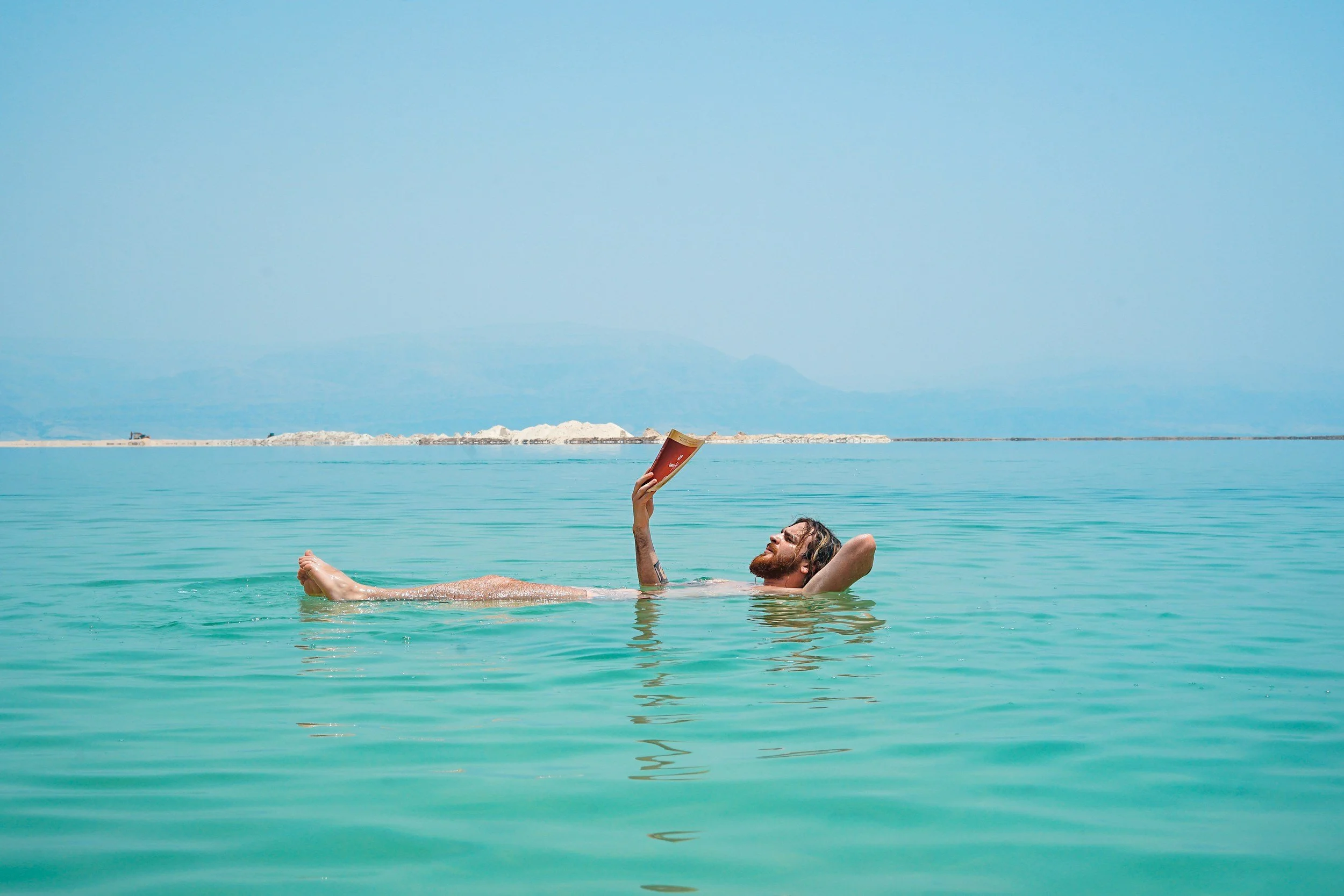
the incredible dead sea
Visa and Entry Requirements
Most visitors need a visa, valid for 30 days. Citizens of over 100 countries (including the US, EU, Canada, Australia) can get a visa on arrival at airports or borders for 40 JOD ($56 USD), payable in cash or card. Your passport must be valid for at least six months beyond your stay, with one blank page. The Jordan Pass (from 70 JOD) waives the visa fee if you stay at least three nights and includes entry to 40+ sites like Petra. E-visas are available online for some nationalities. No COVID restrictions as of 2025, but check for updates. Restricted nationalities (e.g., some Asian or African countries) must apply in advance at a Jordanian embassy.
How to Get Around
Jordan's compact size (about the size of Indiana) makes it navigable, but public transport is limited outside cities. Plan for a mix of options based on your itinerary.
Car Rental
The most flexible choice for independent travel. Roads are well-maintained, with highways connecting Amman to Petra (3 hours) or Aqaba (4 hours). Rent from international chains like Hertz or local firms at airports (from 20 JOD/day). An international driving permit isn't always required, but your home license must be at least one year old; drive on the right. Fuel is affordable (around 1 JOD/liter), and GPS apps like Google Maps work well. Avoid night driving in rural areas due to poor lighting. Overall, getting around by car is by far your best option to explore Jordan. The roads are straightforward, most rental companies are decent and within a week can you easily cover the main spots in the country. In general, it’s good to take into account that Jordan is not a very affordable destination and much more expensive than for instance Morocco or Egypt.
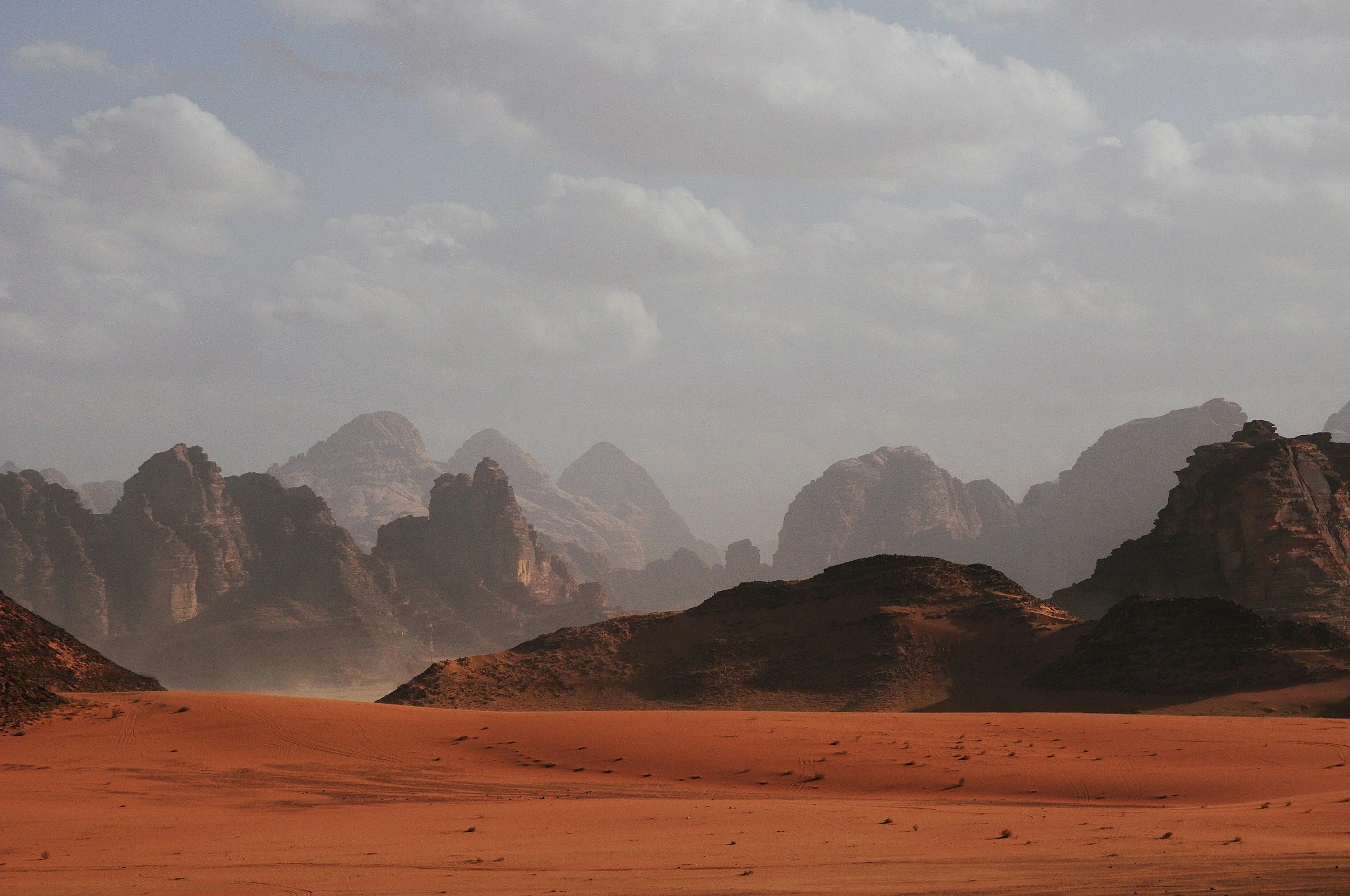
moonlike wadi rum
Buses and Shared Taxis
JETT buses offer comfortable, air-conditioned services between major cities (e.g., Amman to Petra: 10 JOD, 3.5 hours; daily at 6:30 AM). Minibuses (from southern stations like Mujamaa Janoobi) are cheaper (8 JOD) but depart when full. Shared taxis (servees) ply fixed routes for 1-5 JOD per segment—bargain and confirm prices. For Wadi Rum, take a bus to Aqaba then a taxi (20-25 JOD).
Taxis and Ride-Hailing
Yellow taxis are metered (start at 0.25 JOD) but negotiate for longer trips. Uber and Careem operate in Amman and Aqaba (fares 5-10 JOD for city rides). Private taxis for intercity (e.g., Amman to Dead Sea: 30 JOD) are convenient but pricier.
Trains and Other
There is essentially no train network in Jordan. Hitchhiking is possible in rural areas but not recommended for safety. Cycling or walking suits short distances in cities or trails like the Jordan Trail.
For multi-stop trips, consider organized tours or drivers (100-150 JOD/day) to avoid hassles.
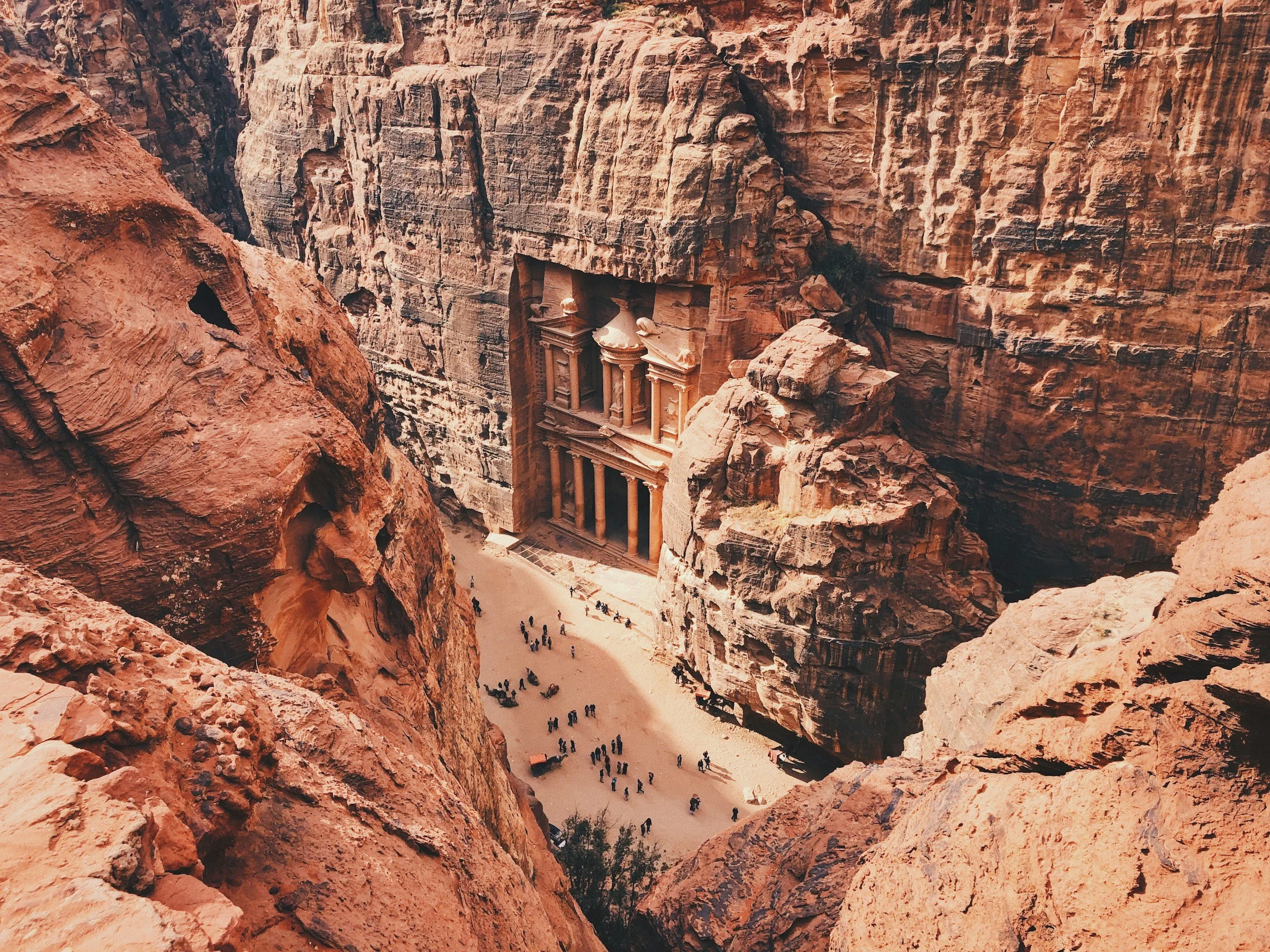
simply magical to see it with your own eyes
Top Destinations
Jordan's highlights span history, nature, and adventure. A 7-10 day itinerary: Start in Amman (2 days), head to Jerash/Madaba (day trip), Petra (2-3 days), Wadi Rum (1-2 days), Dead Sea (1 day), and end in Aqaba (2 days).
- Amman: The bustling capital mixes modern vibes with ancient ruins. Visit the Citadel for panoramic views, the Roman Theater, and Rainbow Street for cafes and street art. Downtown souks offer spices and souvenirs. Especially the local markets (souks) are dynamic and entertaining. The food is overall also diverse and very tasty. Amman is however not a city to linger around for too long, the country simply has much more to offer. It’s also fairly busy with cars and traffic. Typically, Amman would be the start and ending point of your trip.
- Petra: A UNESCO wonder, this 2,000-year-old Nabatean city features the Treasury, Monastery, and Siq gorge. Enter early to beat crowds; hike the 800 steps to the Monastery for views. Petra by Night (candlelit) is magical. Base in Wadi Musa; entry via Jordan Pass (50-60 JOD for 1-3 days). The ticket is worth every penny, there’s nothing overstated about Petra. It’s a magical place. Read about how it was discovered by a Swiss explorer and how the local tribes would become wealthy by the trade in incense. The hiking trails are fantastic and especially entering the site through the ‘backdoor’ and making your way to the front entrance is totally worth it. When there’s less crowds the locals can become a little pushy offering their services but just don’t waste your time on haggling with them. In terms of accommodation, there’s plenty of options and dozens of hotels and guesthouses in the village. Many are overrated and if you don’t mind driving or hiking two kilometers into town away from the entry you’ll get a relaxed guesthouse at half the price.
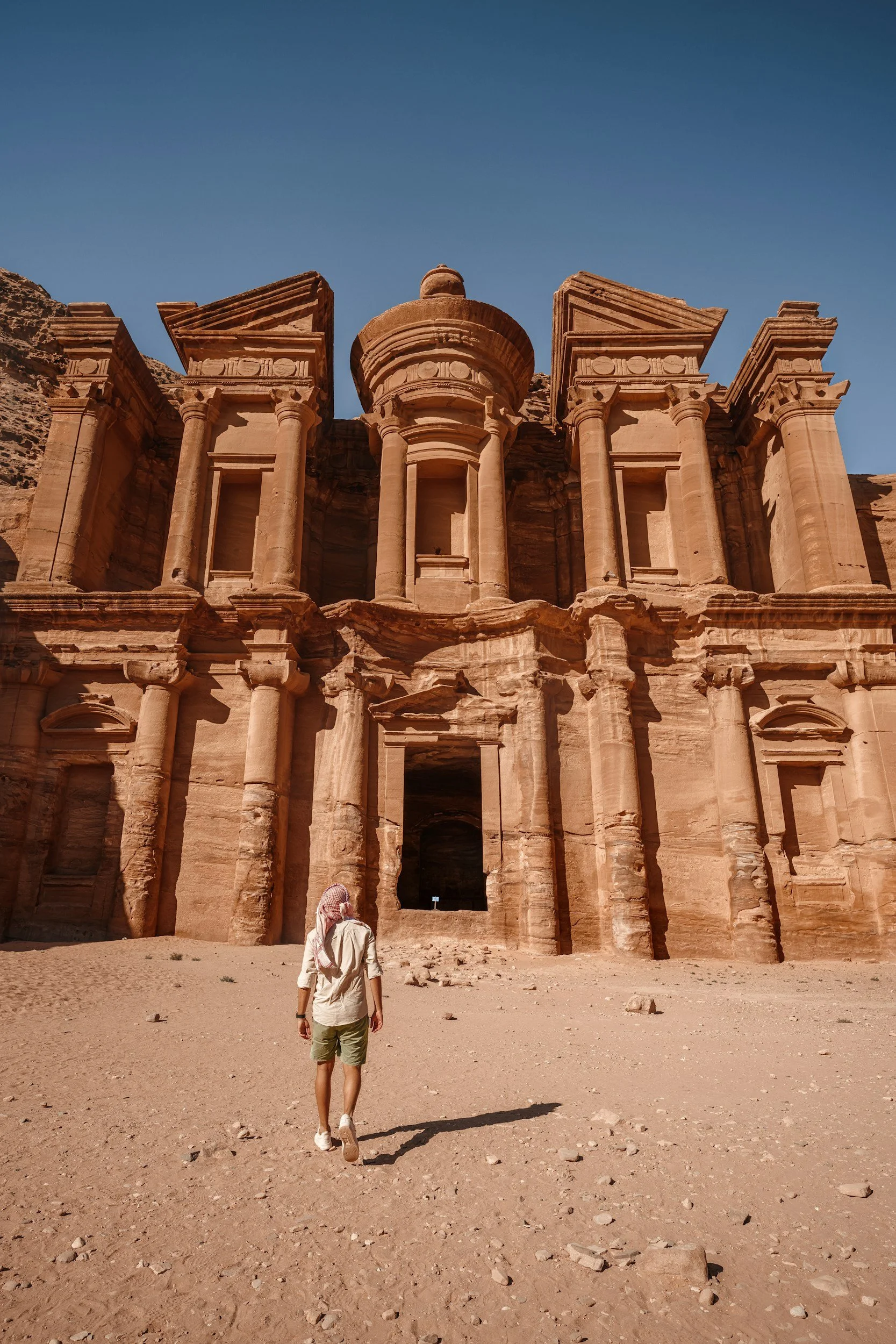
the monastery, best accessed through the ‘backdoor’
- Wadi Rum: This vast desert, a UNESCO site, evokes Mars with red sands and rock formations. Join 4WD jeep tours (20-50 JOD), camel rides, or overnight in Bedouin camps under stars. Hike or hot-air balloon for thrills.
- Dead Sea: Float effortlessly in the saltiest body of water on Earth. Resorts offer mud treatments and spas; public beaches like Amman Beach (12 JOD entry). Combine with nearby Madaba's mosaics and Mount Nebo's biblical vistas. Make sure you’ve got no tiny open wounds or scratches on your skin as this will irritate seriously and can ruin your time floating around in this marvelous place!
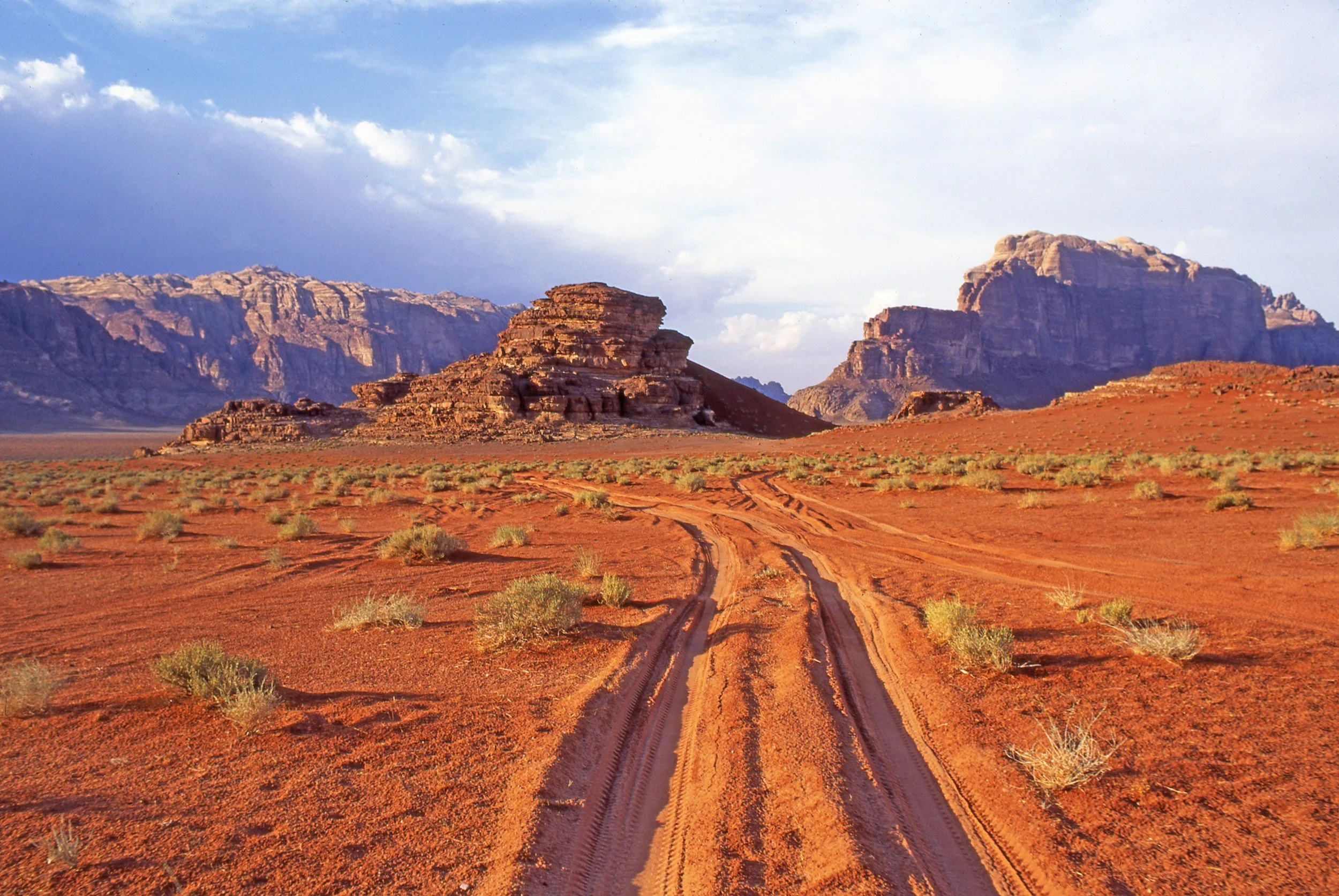
Jordan is very arid and dry
- Aqaba: Jordan's Red Sea port town boasts coral reefs for snorkeling/diving (certified sites like Japanese Garden). Relax on beaches, visit the aquarium, or day-trip to Wadi Rum. Great for winter sun.
- Other Gems: Jerash for Greco-Roman ruins (like a mini-Pompeii), Ajloun Castle and Forest Reserve for hikes, Dana Biosphere for eco-adventures, and Umm Qais for Ottoman villages and views over the Sea of Galilee. Madaba about an hour south of Amman is also worth a visit. It’s an old crossroads city with Roman ruins in the centre and the city is known to have a relatively larger Christian population. The food - like mostly in Jordan - is very tasty and there are some great cuisines that blend middle eastern dishes.
Food and Culture
Jordanian cuisine is flavorful and communal. Try mansaf (lamb in yogurt sauce with rice), maqluba (upside-down rice dish), falafel, hummus, and mezze platters. Street food like shawarma is cheap (2-5 JOD). Bedouin zarb (underground barbecue) is a Wadi Rum highlight. Drink sweet mint tea or Arabic coffee—offering it is a sign of hospitality.
Culturally, Jordanians are welcoming; greet with "Salaam alaikum." Modest dress is appreciated, especially at religious sites (cover shoulders/knees). Ramadan involves fasting; respect by not eating or smoking publicly. Women travelers report feeling safe, but solo females should use common sense. English is widely spoken in tourist areas.
Accommodations
Options range from budget hostels in Amman (10-20 JOD/night) to luxury resorts at the Dead Sea (200+ JOD). Eco-lodges in Dana, glamping in Wadi Rum (50-100 JOD with meals), and mid-range hotels in Petra/Aqaba (50-150 JOD). For authenticity, try homestays in villages.
Safety and Practical Tips
Jordan is generally safe for tourists, with low crime rates, but stay vigilant in crowds against pickpocketing. Avoid border areas with Syria/Iraq and check travel advisories for protests in Amman. Women: Dress conservatively to avoid attention. Health: Drink bottled water; no major risks, but get hepatitis A/B vaccines. Currency: Jordanian Dinar (1 JOD ≈ 1.41 USD); ATMs widespread, cards accepted in cities. SIM cards (Zain/Orange) for data are cheap (5 JOD). Tipping: 10% in restaurants, 1-2 JOD for services. Download offline maps and learn basic Arabic phrases.
Budget Tips
A budget trip costs 50-80 JOD ($70-110 USD) per day, covering hostels, street food, buses, and site entries (Jordan Pass saves money). Mid-range: 100-200 JOD/day with hotels and taxis. Splurge on tours (e.g., hot-air balloon in Wadi Rum: 150 JOD). Bargain in markets, eat local, and travel off-peak for deals. Jordan's magic lies in its contrasts—plan well, respect the culture, and you'll leave with unforgettable stories.