Azores - the ultimate guide
The Azores, an autonomous region of Portugal, is a stunning archipelago of nine volcanic islands scattered in the mid-Atlantic Ocean, about 1,500 km west of Lisbon and roughly 2,400 km from New York. Often called the "Hawaii of Europe" for its dramatic landscapes, lush greenery, crater lakes, hot springs, and volcanic peaks, the islands offer a mix of adventure, relaxation, and cultural immersion. Divided into three groups—Eastern (São Miguel, Santa Maria), Central (Terceira, Pico, Faial, São Jorge, Graciosa), and Western (Flores, Corvo)—each island has its own unique character, from São Miguel's verdant hills and tea plantations to Pico's towering volcano and UNESCO-listed vineyards. With a mild subtropical climate, biodiverse ecosystems (including 10% protected reserves), and activities like whale watching, hiking, and thermal bathing, the Azores appeal to nature lovers, hikers, and eco-tourists seeking an off-the-beaten-path European destination.
The islands blend Portuguese heritage with island-specific traditions, such as colorful festivals and volcanic-influenced cuisine, while emphasizing sustainable tourism.
How to Get There
Reaching the Azores is primarily by air, as there are no regular ferries from mainland Europe or elsewhere. The main gateway is João Paulo II Airport (PDL) in Ponta Delgada on São Miguel, the largest and most connected island. Direct flights operate from major European hubs like Lisbon, Porto, London, Frankfurt, and increasingly from North American cities such as Boston (about 4.5 hours), New York (5.5 hours), Toronto, and Montreal via airlines like Azores Airlines (SATA), TAP Air Portugal, Ryanair, and EasyJet. From the U.S., connections often go through Lisbon or Porto, but direct options from the East Coast are expanding, especially in peak season (June-September). Other key airports include Lajes (TER) on Terceira and Horta (HOR) on Faial, but most international arrivals land on São Miguel.
U.S. and EU citizens can enter visa-free for up to 90 days with a valid passport (at least six months validity recommended). Customs at PDL is efficient, typically 30-45 minutes, with separate lanes for EU and non-EU travelers. Book flights in advance using tools like Skyscanner for the best deals, and consider flexibility with dates for off-peak savings. Cruise ships occasionally dock, but they're not a reliable entry method. You cannot bring motorhomes or camper vans via ferry from the continent.
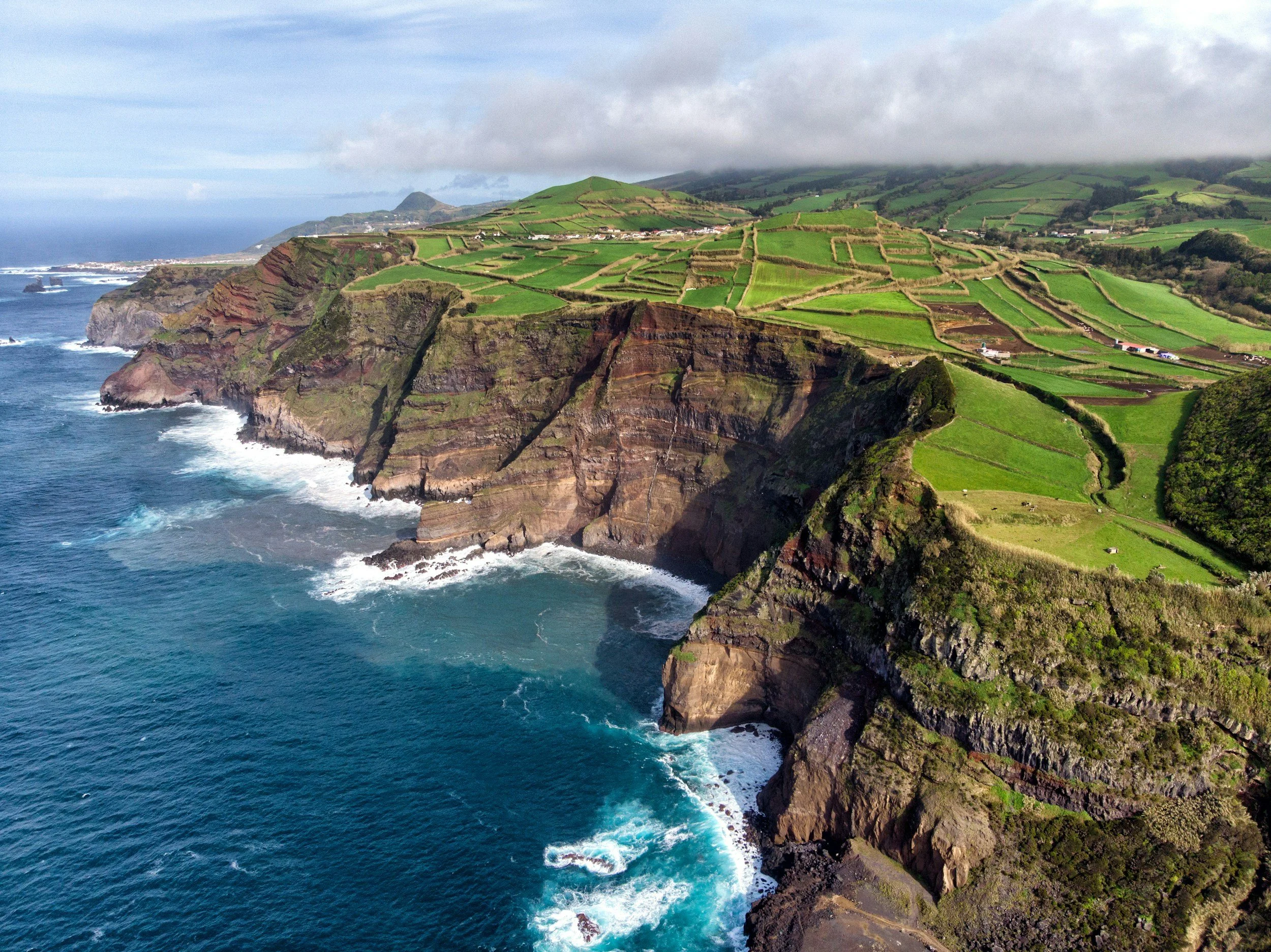
the rugged and lush coastlines of the Azores
How to Get Around
Between Islands
Island-hopping is essential for a full experience, and options include flights and ferries. Domestic flights via SATA Air Açores connect all nine islands, with more frequent routes between the central group (Terceira, Pico, Faial) and São Miguel. Flights are quick (e.g., 30-45 minutes between close islands) but can face delays due to weather—opt for morning departures. Book early, especially in summer.
Ferries, operated by Atlânticoline, are cheaper and scenic but slower and seasonal (more routes in summer, year-round for central islands like Faial-Pico-São Jorge). Common trips include Pico to Faial (30 minutes) or Terceira to São Miguel (longer voyages). Check schedules on atlanticoline.pt, as weather can cancel services. Ferries don't run from the continent, and not all islands have direct connections.
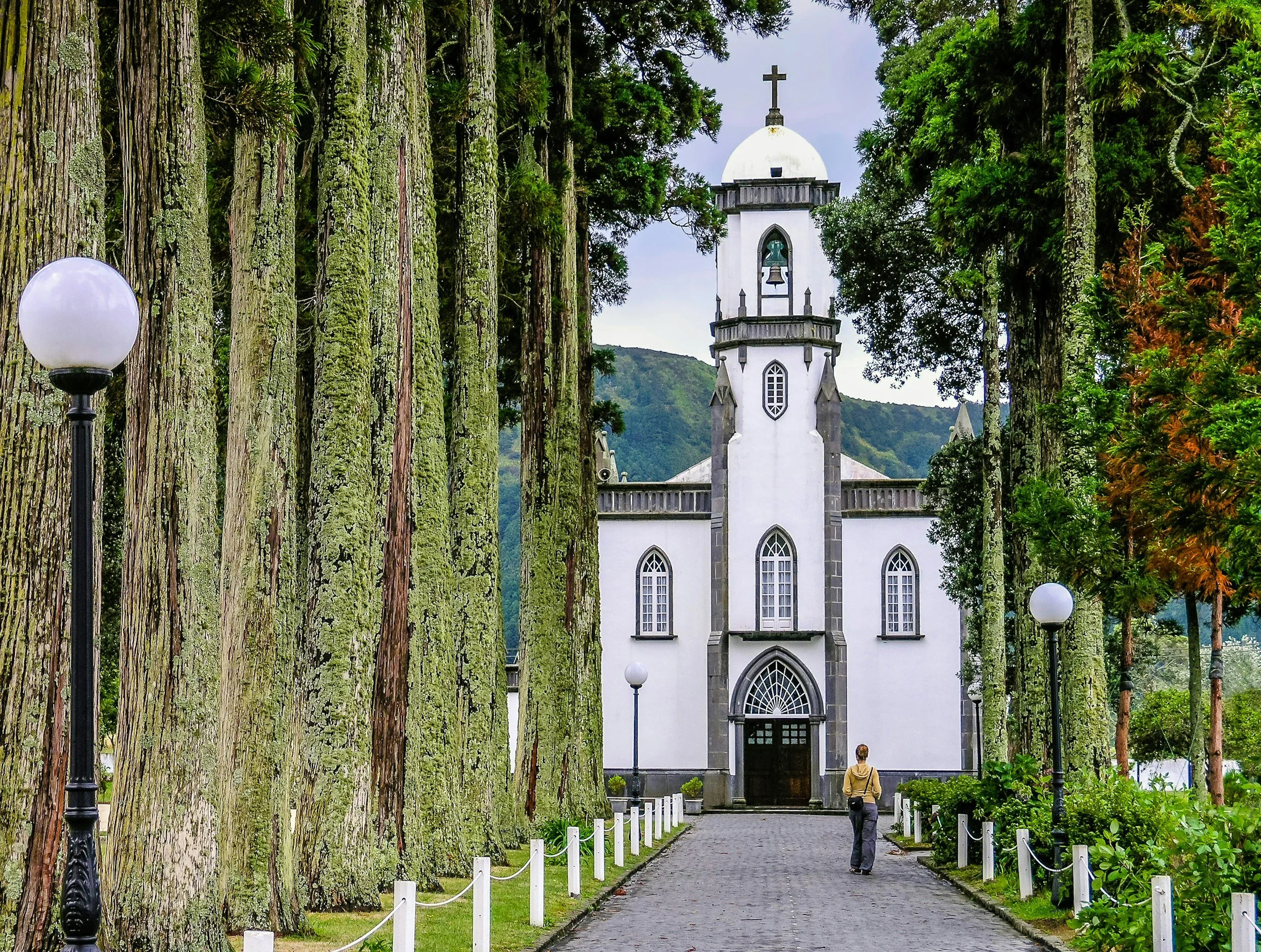
old Portuguese colonial architecture almost everywhere on the islands
On the Islands
Renting a car is highly recommended for flexibility, as public transport is limited. Cars start at €30/day (manual transmissions common; request automatic in advance), available at airports from companies like Rent a Car or Azores Easy Rent. Roads are well-maintained but narrow and winding, with potential fog or rain—drive cautiously. Public buses operate on larger islands like São Miguel (check saomiguelbus.com) and Terceira, connecting towns for €1-3, but they're infrequent, not very reliable and don't reach remote spots. Taxis are available in urban areas but pricey for long trips. On smaller islands, organized tours, scooters, or bicycles work well; hitchhiking is safe but not always reliable in rural areas.
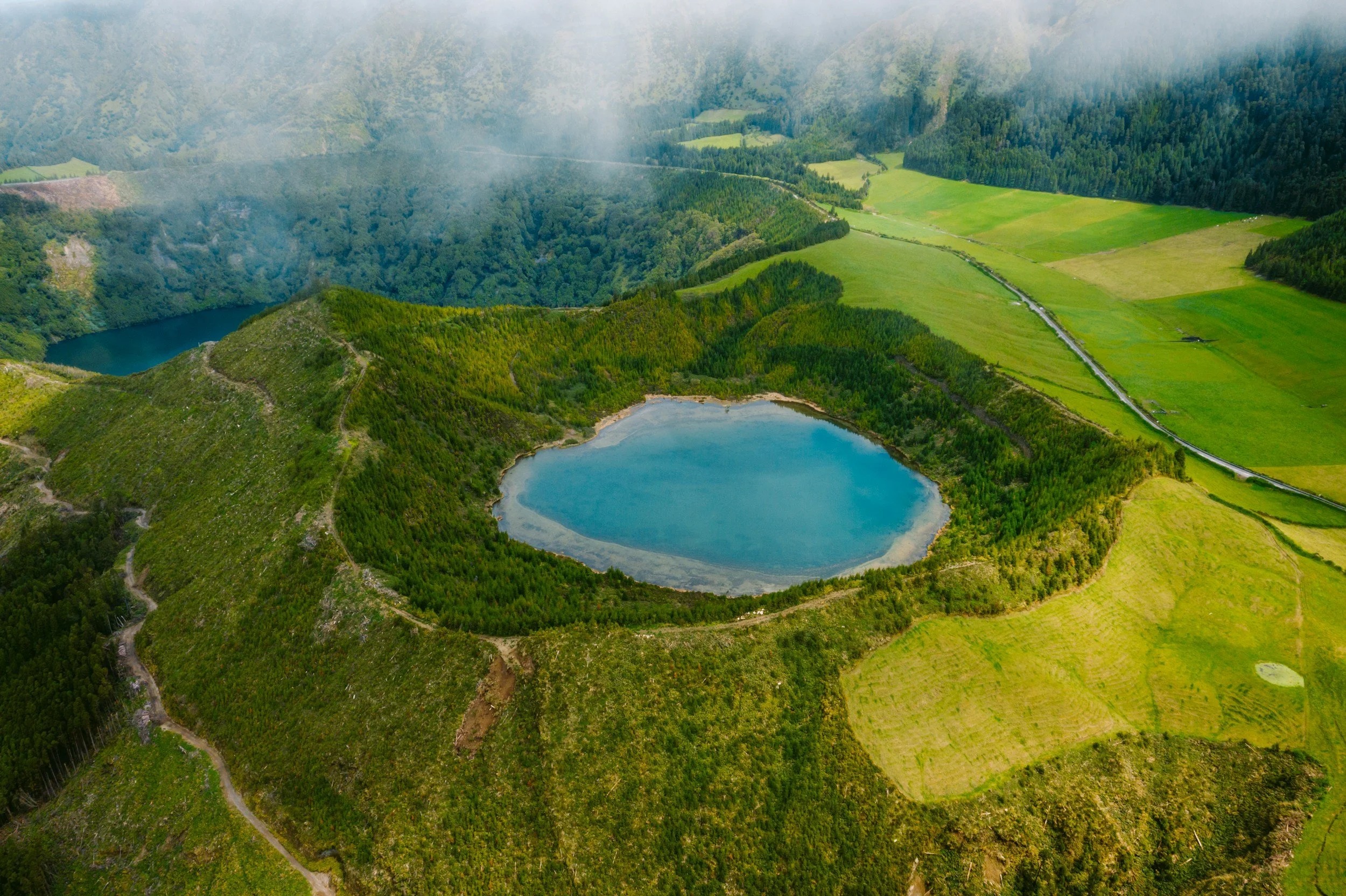
lakes in craters near sete cidades
Best Time to Visit
The Azores' mild climate makes it year-round accessible, with temperatures ranging from 16°C (61°F) in winter to 25°C (77°F) in summer. The peak season (July-August) brings the warmest weather and events but also crowds and 30-50% higher prices. Shoulder seasons (April-June, September-October) offer pleasant conditions, fewer tourists, and activities like whale watching (spring) or wine harvests (fall). Winter (November-March) is rainier but milder than mainland Europe, ideal for budget travelers. Pack layers and rain gear for microclimates and sudden changes. Key events include Holy Spirit Festivals (May-September), Pico Wine Harvest (September), and Terceira's bull runs (summer).
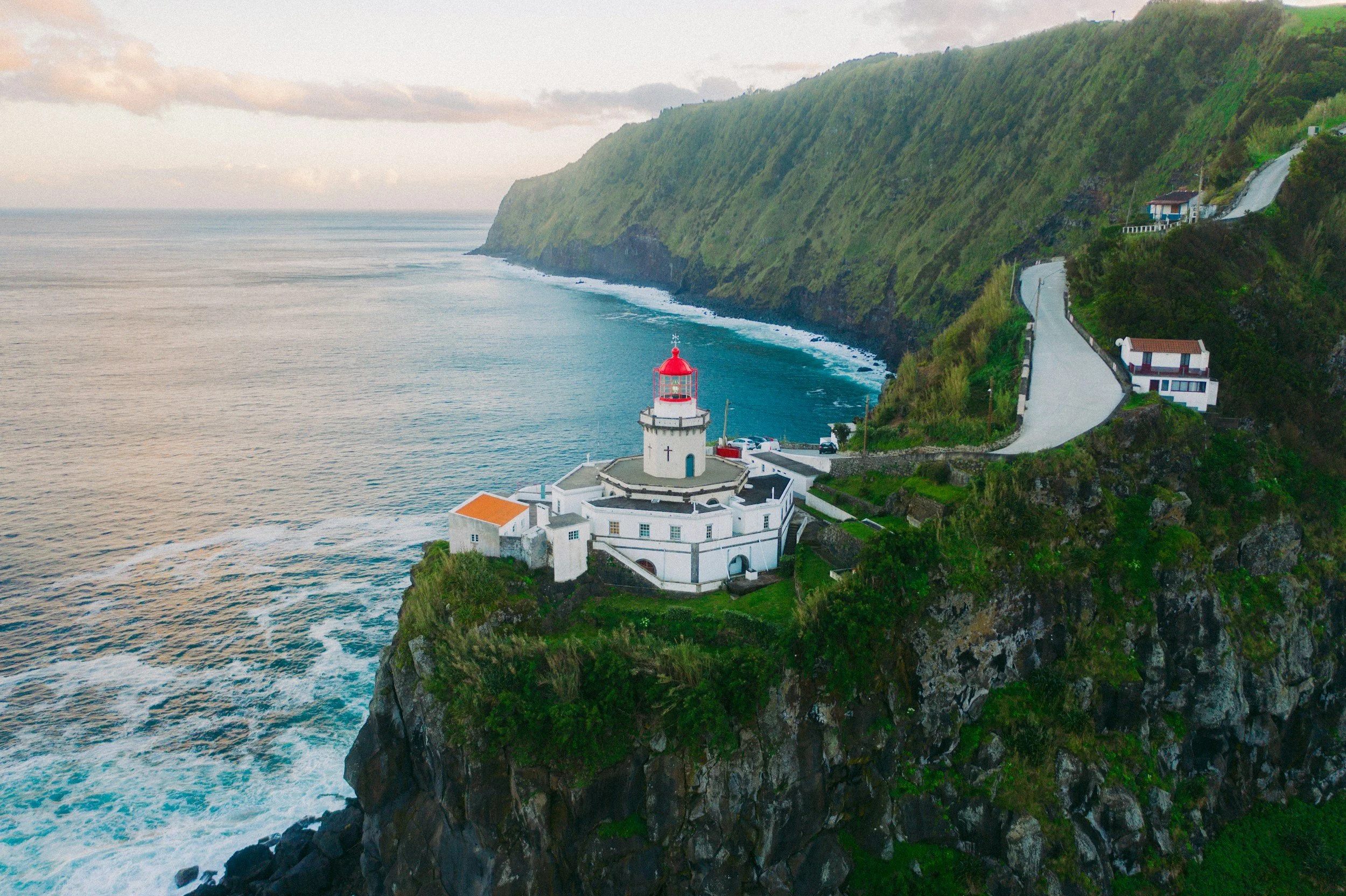
Overview of the Main Islands
- São Miguel (Green Island): The largest and most developed, with Ponta Delgada as the capital. Highlights include Sete Cidades twin lakes, Furnas hot springs, Lagoa do Fogo, tea plantations, and over 30 hiking trails. Perfect for first-timers. From Lisbon and Porto there are very affordable flights with among others Ryanair. Ponta Delgado is the main airport on the islands and directly at the airport there is abundant choice for car rentals - which is a must to get around the island! The city of Ponta Delgado itself is a charming laid back old colonial town. There’s everything you need and plenty of choice of accommodation. It can function well as a base to explore the island because whichever direction you go it’s not more than an hour to reach the end of the island. However - staying overnight in remote areas can be a lot more charming and this would also be recommended if you’re visiting the islands anyway. Make sure to book a walking tour in Ponta Delgada with for instance guruwalk to learn more about the history of the islands and the city.
Must do’s on the island of São Miguel are the Sete Cidade hike which involves hiking around several craters and stunning views over the Atlantic. Also make sure to visit Europe’s oldest tea plantation Gorreana Tea! You can visit the small factory as well as the stunning plantations. Then accross the island there are the so called ‘piscina natural’ which are essentially outdoor pools in the Atlantic protected by a layer of rocks. Make sure to bring flip flops.
In the city of Ponta Delgada there’s also a cute botanical garden with a must go to brunch restaurant.
- Terceira (Lilac Island): Rich in history with UNESCO-listed Angra do Heroísmo, volcanic caves like Algar do Carvão, natural pools, and lively festivals including bull runs. Great for culture and easy hikes.
- Pico (Grey Island): Dominated by Mount Pico (2,351m, Portugal's highest peak—summit hike is strenuous but rewarding), UNESCO vineyards on volcanic soil, whale watching, and lava tubes. Ideal for adventurers and wine enthusiasts.
- Faial (Blue Island): Known for hydrangea fields, Horta's marina (famous for sailors' paintings), Capelinhos volcano, and black-sand beaches. A yachting hub with volcanic hikes.
- Flores (Pink Island): Remote and UNESCO Biosphere Reserve, featuring waterfalls, crater lakes, dramatic cliffs, and top hiking trails like Poço da Alagoinha. Best for nature immersion and canyoning.
- Santa Maria (Yellow Island): Sunniest with natural white-sand beaches, diving spots like Gruta Azul, and a relaxed vibe.
- Other Islands: São Jorge for cliffs and cheese, Graciosa for white rocks and hot springs, Corvo (smallest) for its caldera and birdwatching.
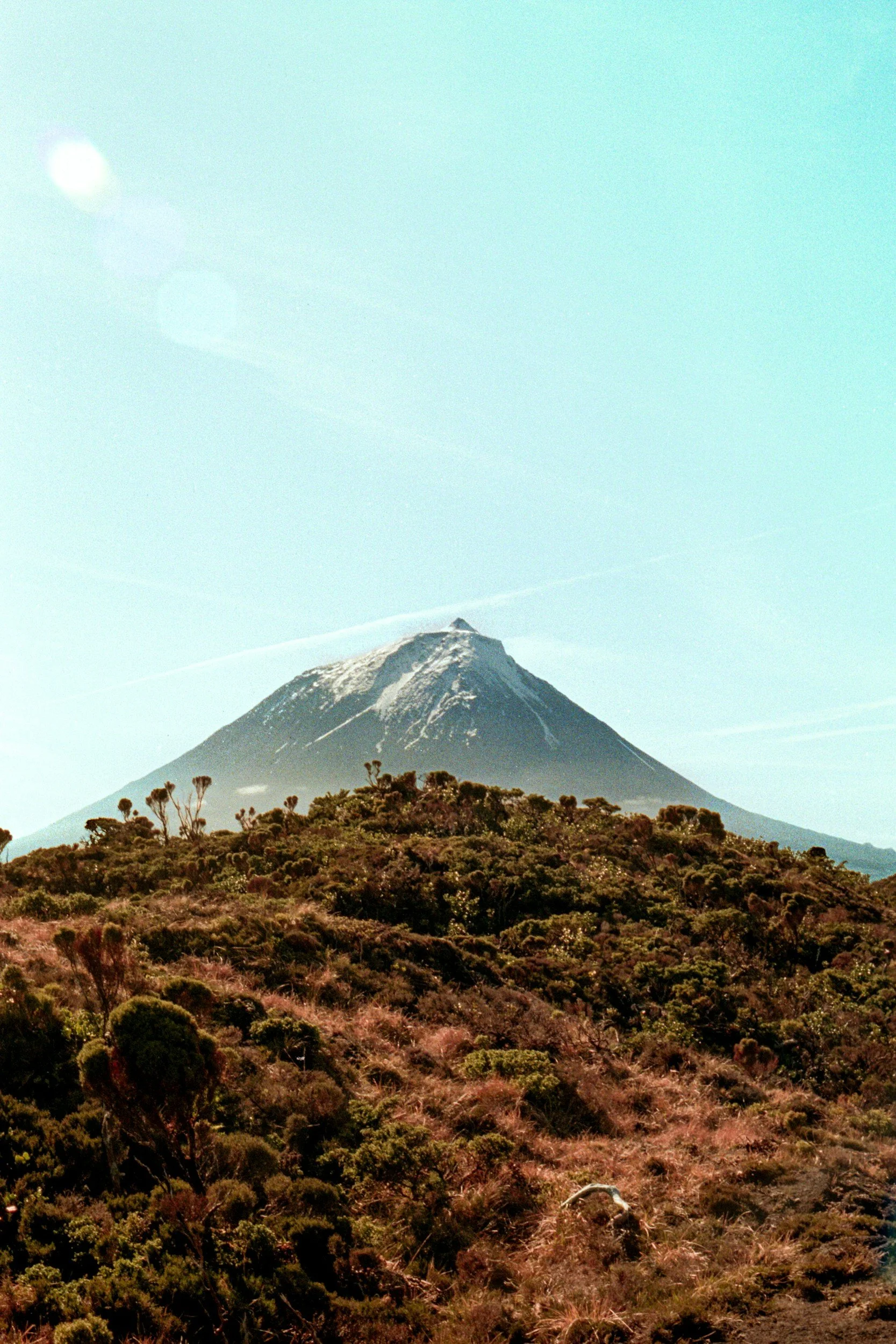
the island of Pico with Portugal’s highest mountain
Top Things to Do
- Hiking and Nature: Over 60 marked trails across islands, from São Miguel's Sete Cidades (13 miles) to Flores' Great Route or Pico's summit (7-8 hours). Free and varied difficulty levels.
- Whale Watching and Marine Activities: Spot 27 cetacean species (98% success rate) from Pico or São Miguel; best April-August. Also diving (shipwrecks, manta rays), surfing, kayaking, and paragliding.
- Volcanic Wonders: Soak in hot springs at Furnas or Terra Nostra Park, explore caves like Algar do Carvão, or visit crater lakes.
- Cultural Experiences: Tour UNESCO sites like Angra do Heroísmo, join festivals (e.g., Holy Ghost with communal soups), visit whaling museums, or learn pottery.
- Culinary Tours: Sample tea plantations on São Miguel, wine tastings on Pico (Verdelho from volcanic soil), or cozido das Furnas (stew cooked underground by geothermal heat).
Suggested Itineraries:
- 5-7 Days: Focus on São Miguel for highlights like lakes, hot springs, and whale watching.
- 10 Days: Add Terceira for history and Pico for hiking.
- 14+ Days: Island-hop to 4-5 islands, including Flores for remote adventures.
Accommodations:
Options range from budget hostels (€30-50/dorm) to luxury resorts (€300+). São Miguel has the most variety, including eco-resorts like Santa Barbara Eco-Beach Resort (black-sand beach, infinity pool) or Octant Furnas (thermal access). On Pico, try Lava Homes (rustic cottages with ocean views) or Pocinho Bay (vineyard setting). Book 3-4 months ahead for peak season; camping is affordable (€0-10) on some islands like Flores. Mid-range daily: €80-120.
Food and Drink
Azorean cuisine highlights fresh Atlantic seafood (grilled fish, lapas limpets), volcanic-cooked stews like cozido das Furnas or Alcatra (Terceira beef stew), local cheeses (Queijo de São Jorge), pineapples, and soups. Pico's wines from basalt-walled vineyards and São Miguel's tea are must-tries. Dine at spots like A Tasca in Ponta Delgada (fresh fish, stews) or Cais 20 in São Roque (seafood rice). Budget meals: €10-25; beer €1+, wine extensive. Join cooking classes or vineyard tours for immersion.
Practical Tips
- Budget: Daily €70-100 (including car, food, lodging); add for tours (€60-80) or multi-island travel.
- Essentials: Euro (€) currency (1 USD ≈ 0.92 EUR); ATMs in towns, cards widely accepted. English spoken in tourist areas; basic Portuguese helps rurally. Download offline maps; WiFi in hotels/cafes, spotty in remote spots. Local SIM €10-15.
- Packing: Layers, rain jacket, sturdy shoes for hikes; headlamp for caves.
- Sustainability: Respect protected areas; use eco-tours.
- Health/Safety: Low crime, high safety; get travel insurance for activities (e.g., Safety Wing). Natural hazards like riptides—use guides. Emergency: 112. Pharmacies in towns; mild weather but prepare for rain.