Poland - a surprising and upcoming destination
Poland is a country where medieval cities, dramatic history, natural beauty, and modern culture come together. Located in Central Europe, Poland offers travelers an affordable, safe, and richly rewarding experience—from fairy-tale old towns and UNESCO World Heritage sites to mountain trails, Baltic beaches, and vibrant nightlife. Poland has developed strongly economically in the last decade. It’s Europe’s fifth largest populated country and has a very solid manufacturing industry. Particularly food processing as well as packaging and there are many small & midsized logistical companies. Tourism is on the rise but still lagging behind the Czech republic or Austria. Poland is part of the European Union and the Schengen Area, making it easy to combine with trips to neighboring countries like Germany, Czechia, Slovakia, and Lithuania.
Best Time to Visit
Spring (April–June): Mild weather, blooming parks, fewer crowds
Summer (July–August): Warmest season, festivals, outdoor cafés (busiest time)
Autumn (September–October): Beautiful fall colors, cooler temperatures
Winter (December–February): Snowy landscapes, Christmas markets, ski season in the south
Ideal for most travelers: May–June or September
Top destinations:
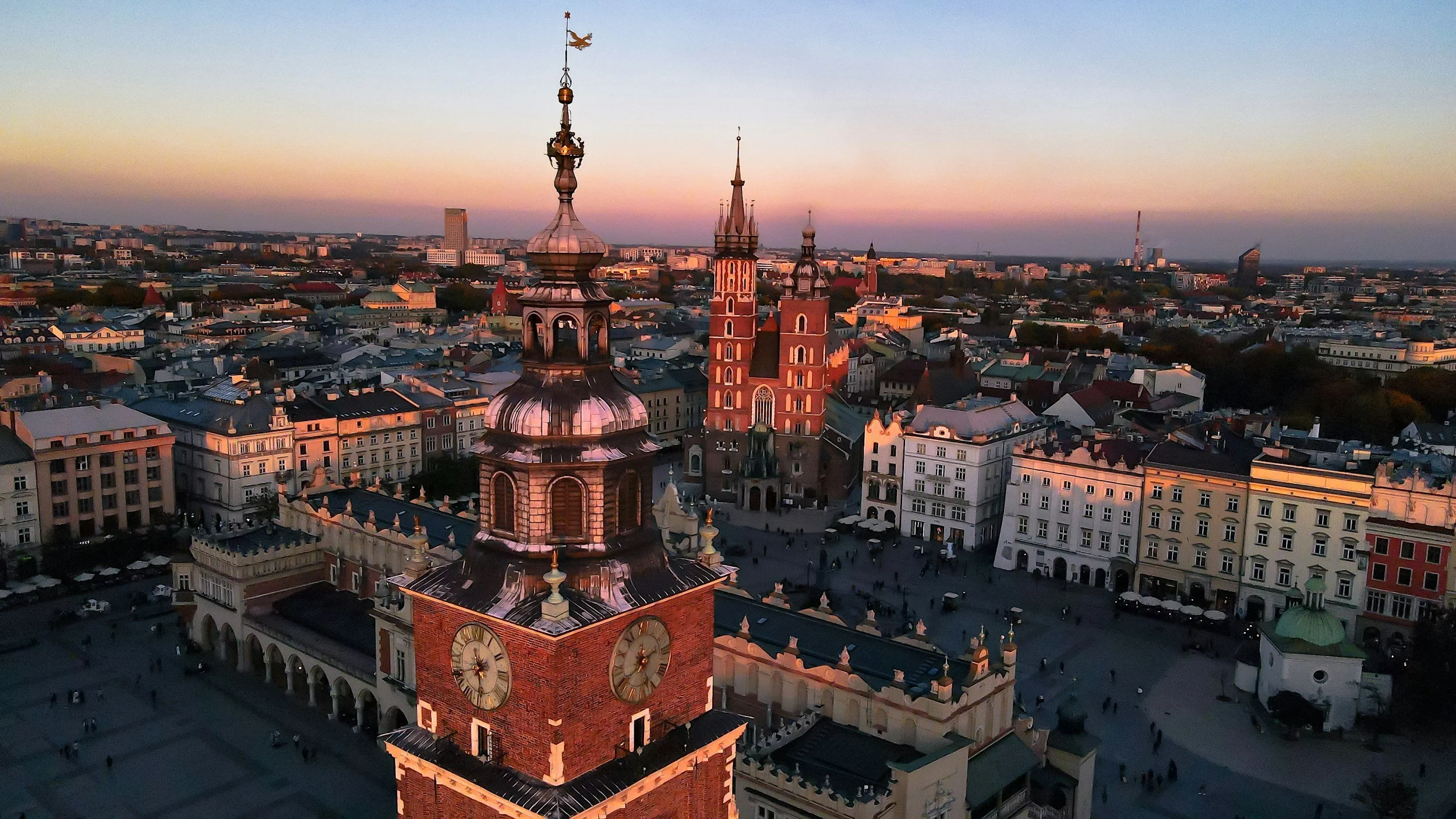
Krakow iconic main square
Kraków – Cultural Capital
One of Europe’s most beautiful historic cities. Especially in summer it’s very welcoming and pleasant although it can be hot. It tends to be very touristy as well. Use Guruwalk or Getyourguide to book walking tours and learn more about the city.
Highlights:
Rynek Główny (Europe’s largest medieval square)
Wawel Castle and Cathedral
Kazimierz (historic Jewish Quarter)
Nearby Auschwitz-Birkenau Memorial
Wieliczka Salt Mine (UNESCO site)
Best for: History lovers, culture, architecture
Warsaw – Modern & Historic
Poland’s capital blends resilience and reinvention. The city has developed a lot in the past decade and is no longer very affordable - but there’s a rich, diverse restaurant offering.
Highlights:
Old Town (meticulously reconstructed after WWII)
Royal Castle
Łazienki Park & Palace on the Water
POLIN Museum of the History of Polish Jews
Thriving food, bar, and music scenes
Best for: Museums, modern culture, city life
Gdańsk – Baltic Beauty
A colorful port city with maritime heritage.
Highlights:
Long Market (Długi Targ)
Neptune’s Fountain
Amber Museum
WWII Museum
Nearby beaches in Sopot and Gdynia (Tri-City area)
Best for: Coastal charm, history, relaxed pace
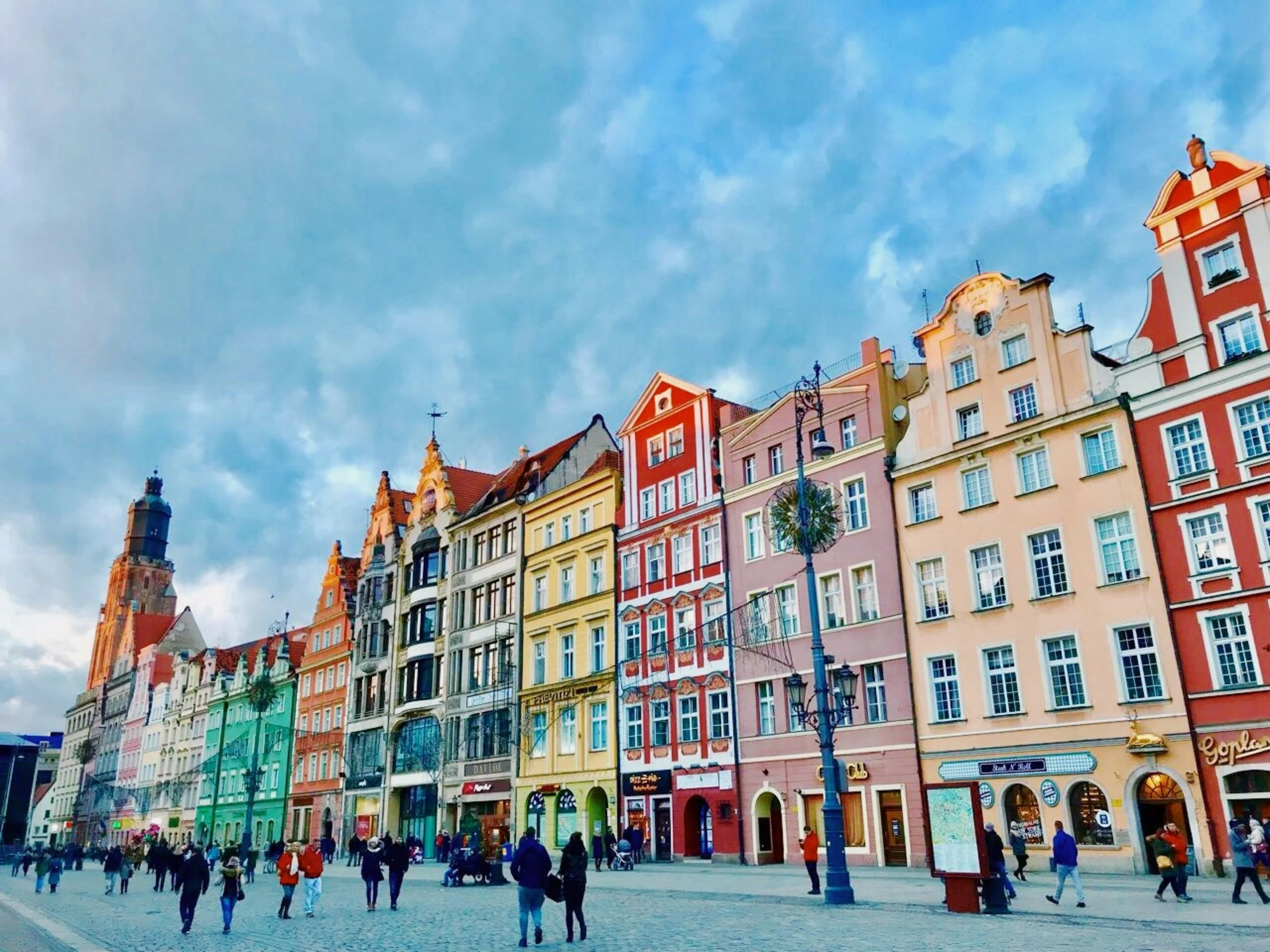
charming city of Wroclaw
Zakopane & Tatra Mountains
Poland’s mountain escape near the Slovak border.
Highlights:
Hiking in Tatra National Park
Morskie Oko alpine lake
Traditional wooden architecture
Skiing in winter
Highland (Górale) culture and food
Best for: Nature, hiking, skiing
Wrocław – City of Bridges & Dwarfs
A lively city with a whimsical side. It’s also a large student university city with a very low unemployment rate. This is also thanks to several multinational companies having set up activities near the city. It’s well connected to Berlin and Prague.
Highlights:
Market Square
Ostrów Tumski (Cathedral Island)
Over 100 small dwarf statues hidden around the city
Vibrant student atmosphere
Best for: Photography, nightlife, charm
Poznań – Birthplace of Poland
Historic and youthful.
Highlights:
Renaissance Old Town
Town Hall goats show at noon
Strong food scene
Important early Polish history
Natural Attractions
Białowieża Forest: Europe’s last primeval forest, home to wild bison
Masurian Lake District: Kayaking, sailing, peaceful countryside
Baltic Sea Coast: Sandy beaches, dunes (Łeba, Świnoujście)
Ojców National Park: Cliffs, caves, castles near Kraków
Polish Cuisine: What to Eat
Polish food is hearty, comforting, and flavorful.
Must-try dishes:
Pierogi (dumplings)
Bigos (hunter’s stew)
Żurek (sour rye soup)
Kotlet schabowy (breaded pork cutlet)
Gołąbki (stuffed cabbage rolls)
Oscypek (smoked mountain cheese)
Desserts:
Pączki (Polish doughnuts)
Sernik (cheesecake)
Makowiec (poppy seed cake)
Drinks:
Polish vodka (Żubrówka, Chopin)
Craft beer (rapidly growing scene)
Getting Around
Transportation
Trains: Reliable, affordable, extensive network. The fast train between Krakow and Warsaw is a breeze and very convenient.
Buses: Often cheaper, good for smaller towns. The connections with Flixbus between the major cities are excellent and affordable.
Domestic Flights: Limited but useful for long distances
Car Rental: Ideal for countryside exploration
Cities
Walkable city centers
Excellent public transport (trams, buses, metro in Warsaw)
Costs & Budget
Poland is one of Europe’s best-value destinations.
Approximate daily budget:
Budget traveler: €40–60
Mid-range traveler: €70–120
Luxury traveler: €150+
Meals, accommodations, and attractions are generally cheaper than Western Europe.
Language & Communication
Language: Polish
English widely spoken among younger people and in tourist areas
Learning basic phrases is appreciated:
Dzień dobry – Hello
Dziękuję – Thank you
Proszę – Please / You’re welcome
Safety & Practical Tips
Very safe for travelers
Watch for pickpockets in crowded tourist areas
Currency: Polish Złoty (PLN) (not Euro)
Cards widely accepted
Tipping: Optional but appreciated (5–10%)
Cultural Etiquette
Dress modestly in churches
Remove hats indoors
Poles may seem reserved initially but are warm and helpful
Respect historical sites, especially WWII memorials
In short, why Visit Poland?
Poland offers:
Deep and moving history
Stunning architecture
Diverse landscapes
Authentic culture
Excellent value for money