Travel notes: Egypt & Jordan
Cairo & Greater Cairo Area
Cairo is one of the world’s largest metropolitan areas and faces significant challenges with air pollution and traffic congestion. The city’s dense urban environment, combined with constant vehicle use and construction dust, noticeably affects air quality. Traffic is heavy throughout the day, and local driving habits differ considerably from those in many Western countries.
Living costs remain very low by international standards. Taxis and ride-hailing services are inexpensive, meals at local restaurants typically range from €1–3, and popular dishes such as koshary (a mix of pasta, lentils, chickpeas, rice, tomato sauce, and garlic-vinegar dressing) offer excellent value.
The Giza plateau provides a striking contrast to the urban intensity of Cairo and remains the country’s iconic highlight. The pyramids and Sphinx are easily accessible on a half- or full-day excursion. The new Grand Egyptian Museum (still partially under construction as of 2025) is a world-class facility and a major upgrade from the former Egyptian Museum in Tahrir Square.
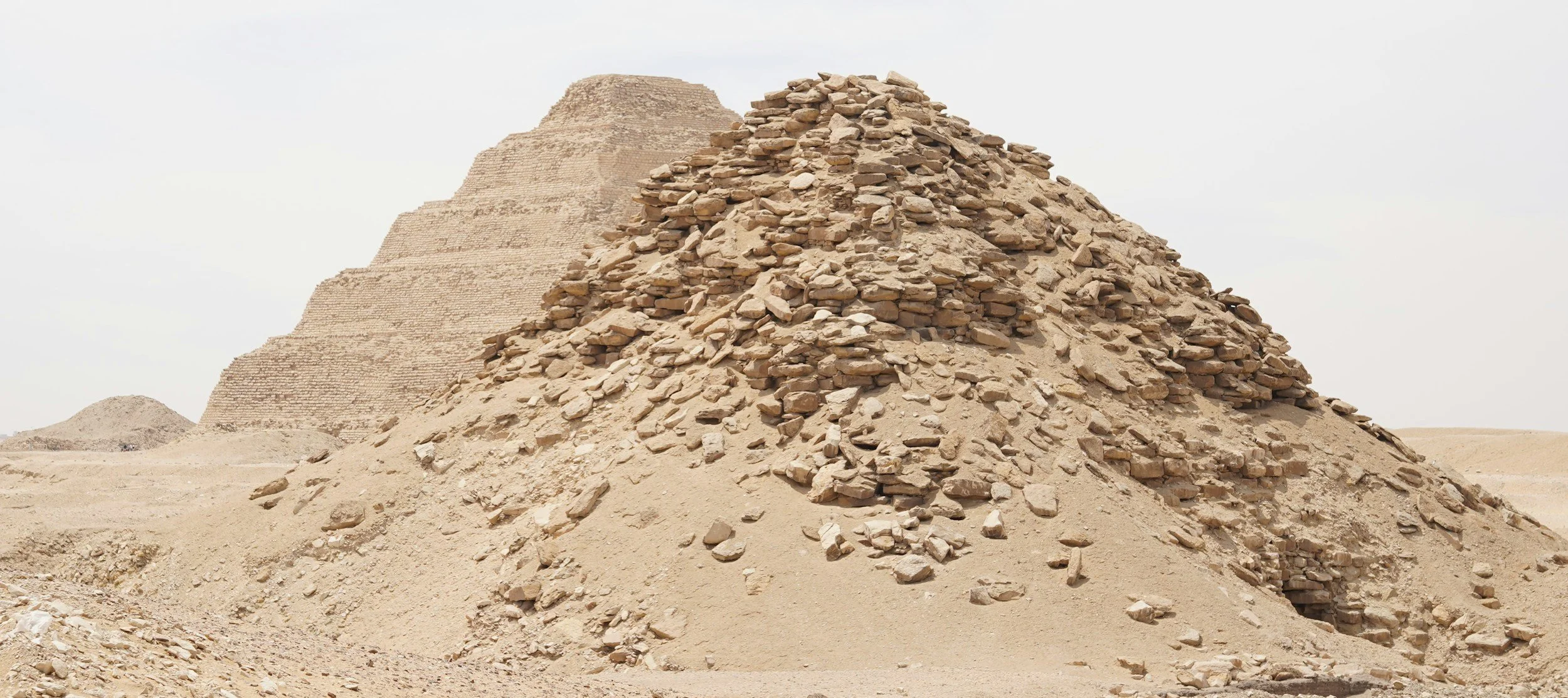
The step pyramid of saqqara
Further afield, Saqqara continues to yield important discoveries, while the ongoing excavations and preserved sites along the Nile between Luxor and Aswan are among the densest concentrations of pharaonic monuments anywhere.
Upper Egypt (Luxor & Aswan)
The Nile remains the country’s lifeline, creating a narrow but fertile corridor flanked by desert. Cruising or sailing between Luxor and Aswan (whether on larger cruise boats or traditional feluccas) is the classic way to experience this stretch. Key highlights include Karnak Temple, Luxor Temple, the Valley of the Kings, the temples of Edfu and Kom Ombo, Philae Temple, and Abu Simbel (the latter usually visited by short flight or overland convoy from Aswan).
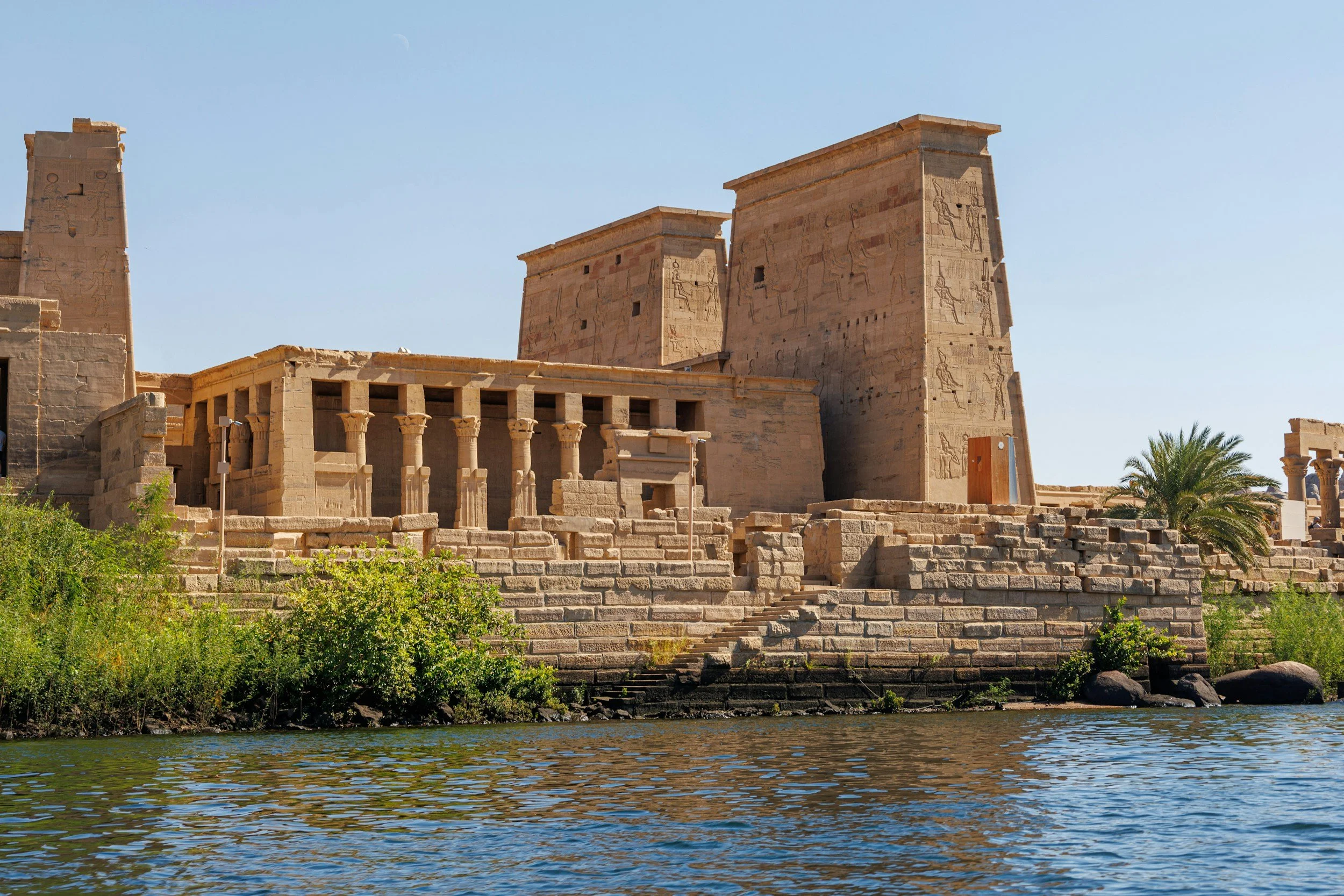
The Aswan temple was completely moved stone by stone to another island
Many temples show deliberate damage to divine imagery dating to the early Christian period, reflecting the shift from traditional Egyptian religion to Christianity under Roman/Byzantine rule.
Tourism infrastructure is well established, though persistent touting and commission-based sales tactics are still common around major sites. Negotiating prices firmly but politely is usually effective.
General Observations – Egypt
Egypt has a long history of foreign influence and centralized governance, and democratic institutions remain limited. Day-to-day life for most residents is shaped by economic pressures, including currency devaluation and high population density. Visitors should expect a visible gap between tourist facilities and local living conditions, as well as occasional bureaucratic or scheduling inconsistencies (e.g., domestic flight delays).
Jordan – First Impressions
Arriving in Amman during the first day of Ramadan, the pace felt slightly subdued. Jordan is noticeably more expensive than Egypt, largely because almost everything except basic agricultural products must be imported. Public transportation options are minimal; private drivers or organized tours are the practical choices for most itineraries.
Dead Sea
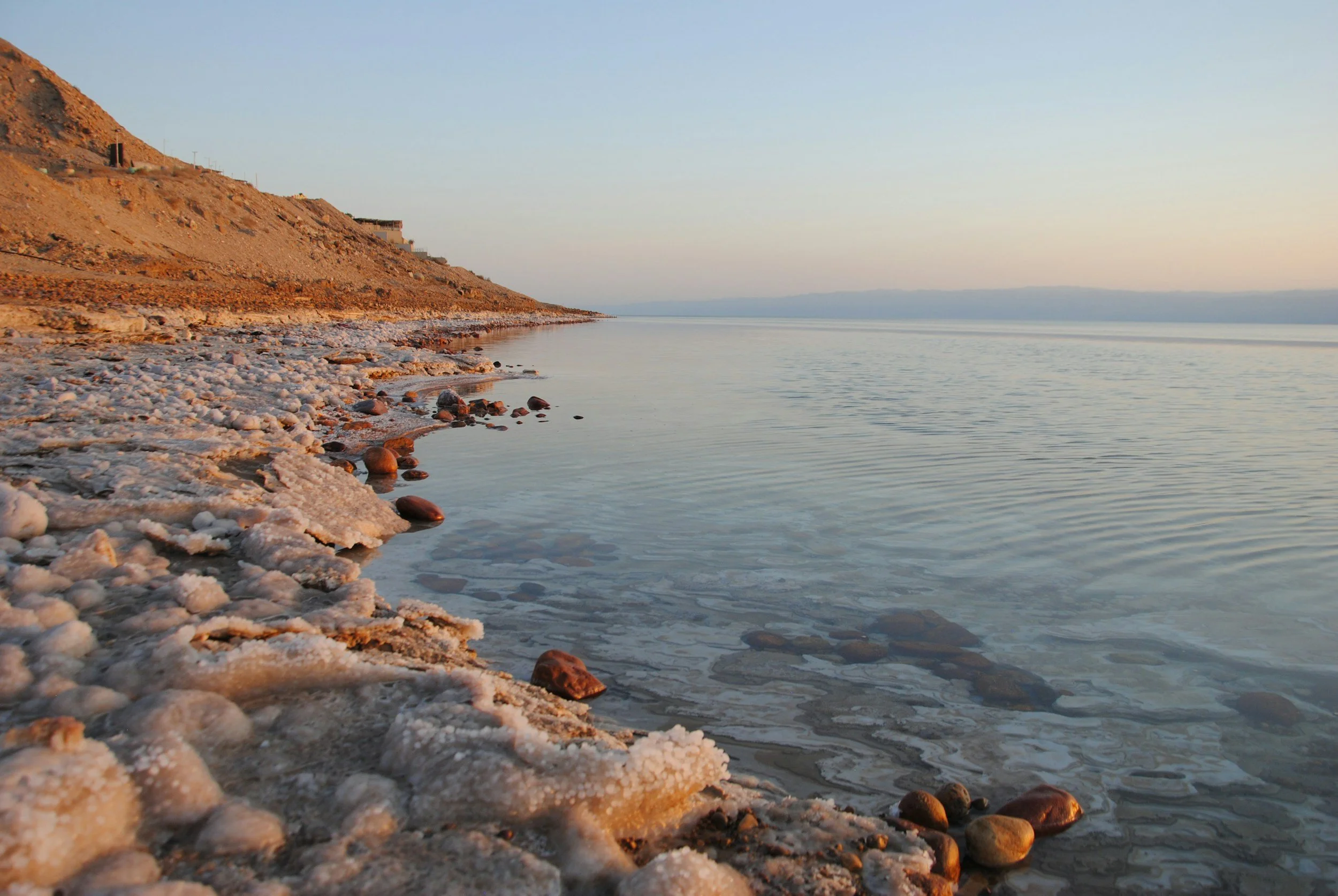
the Dead Sea, make sure not to have any skin wounds when going in!
The Jordanian side of the Dead Sea is well developed for tourism, with several resort hotels offering direct beach access. The extreme salinity (approximately 33–34%) allows effortless floating, and the mineral-rich mud is a popular spa treatment. The lake lies roughly 430 m below sea level, making it the lowest exposed point on Earth’s surface.
Petra & Southern Jordan
Petra remains one of the most impressive archaeological sites in the world. The combination of dramatic sandstone landscapes, sophisticated Nabataean rock-cut architecture, and clever hydraulic engineering continues to impress visitors. Current visitor numbers are moderate, providing a more relaxed experience than in peak pre-pandemic seasons.
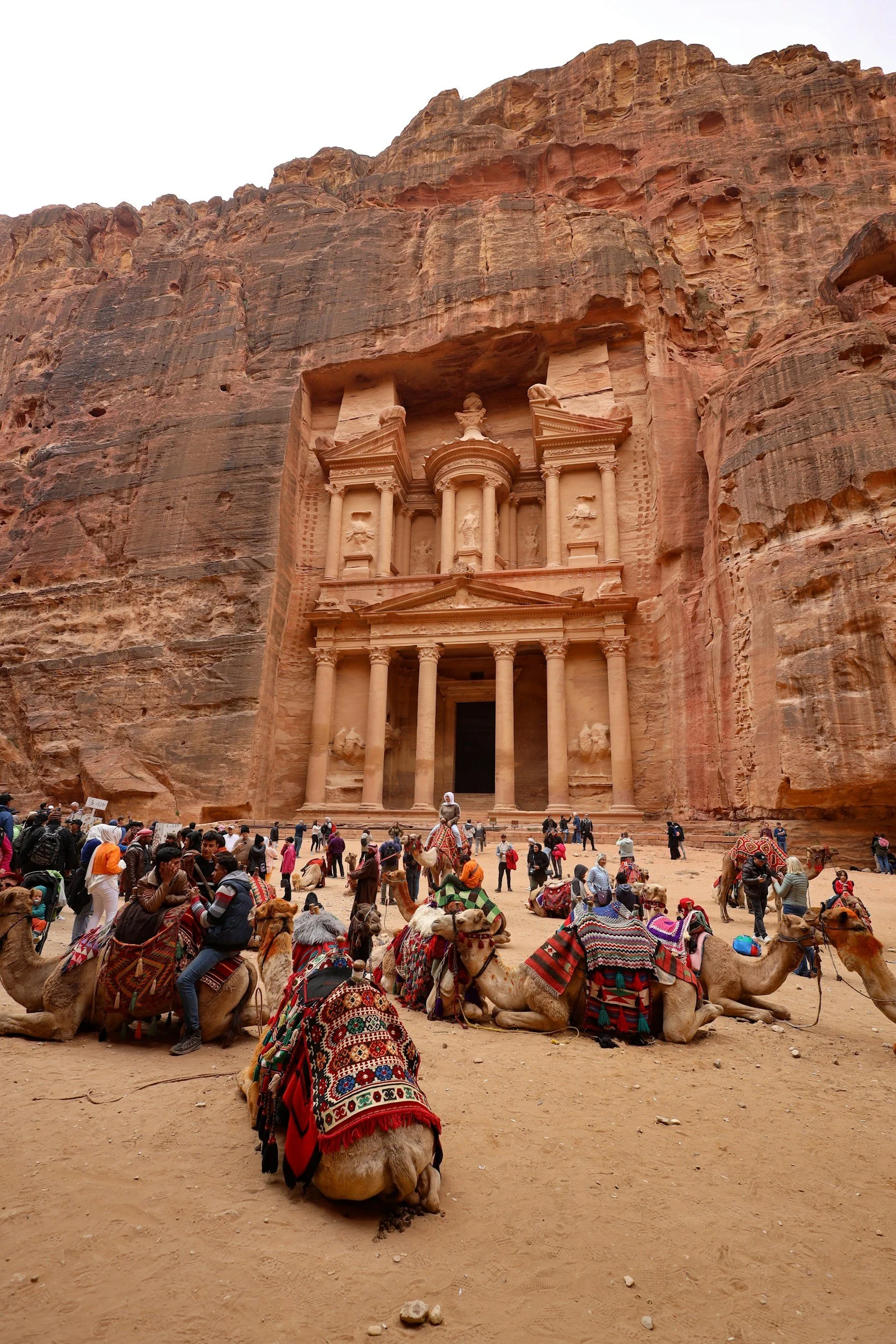
The Monastery
Bedouin communities are still present in the region, many maintaining seasonal or semi-nomadic herding traditions alongside roles in tourism.
Regional Context
Jordan hosts significant Palestinian and Syrian refugee populations, and many citizens have mixed heritage reflecting historic migration patterns. Discussions about regional politics and the Israeli–Palestinian conflict arise frequently and from varied perspectives.
Overall
Both countries offer extraordinary historical and cultural depth. Egypt delivers an intense, high-volume introduction to pharaonic civilization amid a challenging modern urban environment. Jordan provides a calmer, more expensive, but still distinctly Arab experience with outstanding natural and Nabataean heritage. Travelers comfortable with hustle in Egypt and higher costs in Jordan will find both destinations rewarding.