Hardangervidda plateau traverse (Norway) – practical guide for 2026
Europe’s largest high-mountain plateau in Norway remains one of the continent’s last great wilderness treks. The classic 4–6 day routes across Hardangervidda (typically 80–110 km) are supported by the world-famous DNT hut network, meaning most hikers can cross without carrying a tent. Setting up tents in the vicinity of some of the huts is permitted and at a small fee you’re able to enjoy some of the hut’s coziness too. Other than that, the huts informal policy is to never refuse anyone access for the night - even if that means mattresses need to be dragged into the washroom facilities to spend the night. From Oslo there are trains to Finse (direction Bergen) with stops on several other trailheads too. From Oslo there are also buses to Rjukan and Haukeliseter.
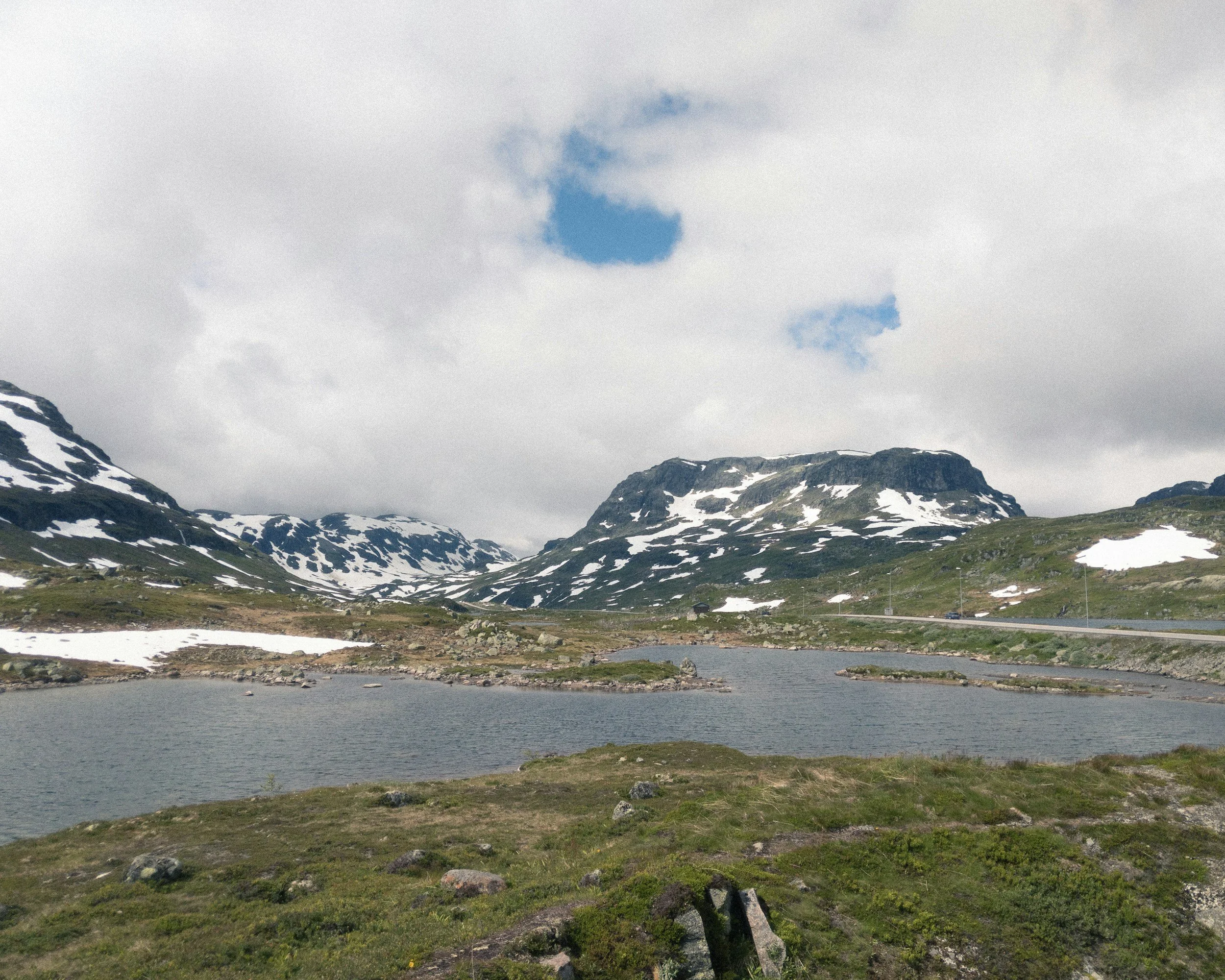
Typical terrain
Why Choose Hardangervidda in 2026
- Vast treeless plateau at 1,200–1,400 m with glaciers, reindeer herds and hundreds of lakes
- Well-marked trails (red “T” on cairns in summer, blue poles in winter)
- 500+ DNT cabins ranging from fully staffed lodges to simple self-service shelters
- No permits required; open to everyone with a DNT key
- Feasible from mid-June to late September (best window: July–early September)
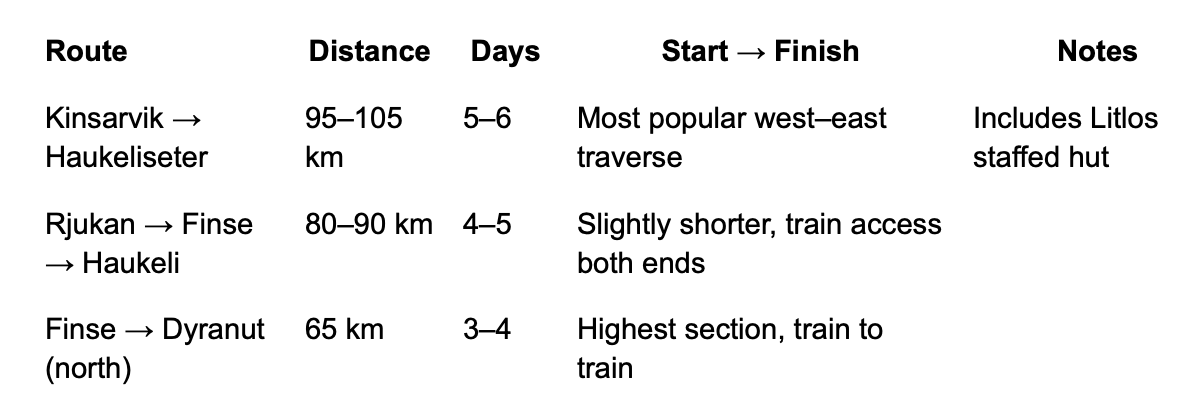
Make sure also to use ut.no for planning
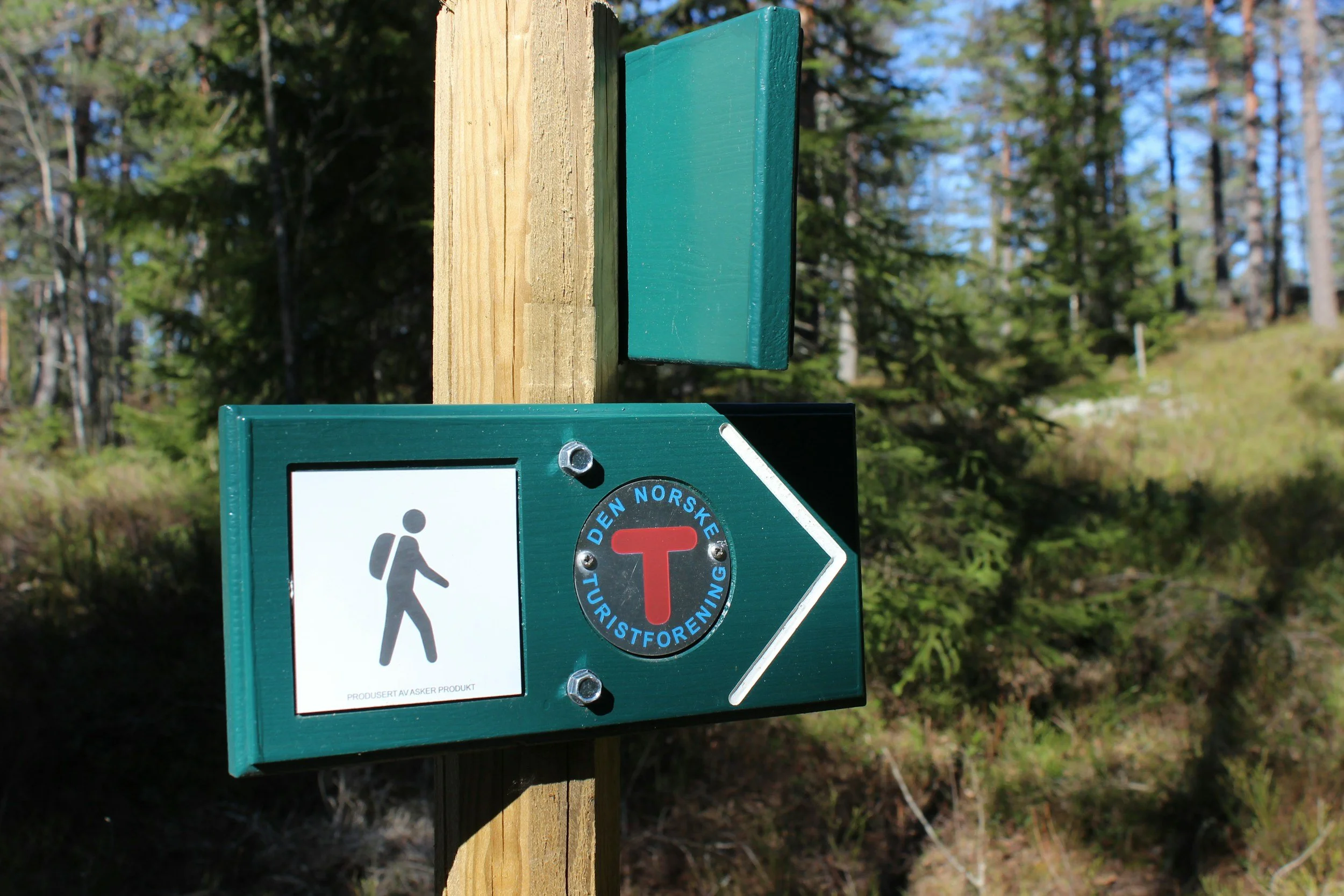
Summer trails are well marked in red
The DNT Hut System – How It Works in 2026
- Staffed lodges (e.g. Litlos, Haukeliseter): hot meals, showers, bedding provided. Book 3–6 months ahead.
- Self-service cabins: stocked pantry (canned food, gas); pay later via DNT app or bank transfer on the honour system.
- Unserviced/no-key cabins: emergency shelter, bring your own sleeping bag.
- Universal DNT key (NOK 125 ≈ €11 lifetime) opens every self-service and most unserviced huts.
- Post-2020 rule: reserved sleeping spots in most cabins (no more “just show up and squeeze in”).
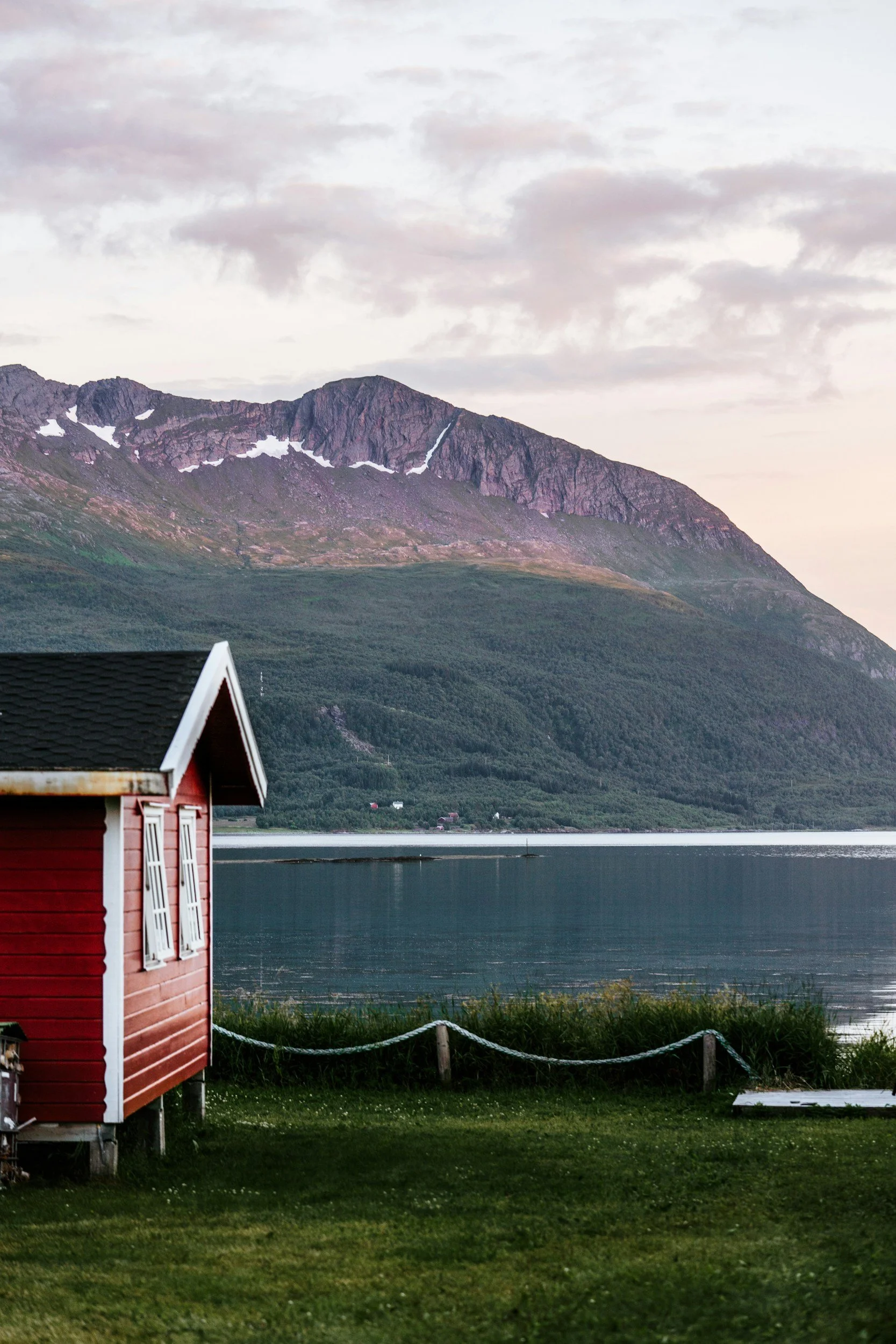
DNT cabins come in many shapes and sizes
Booking & Planning Tips for 2026
1. Book staffed huts and popular self-service huts as soon as January releases open (usually 1 Jan).
2. Base pack weight (no tent): 8–11 kg is realistic and comfortable.
3. Essential gear: waterproof jacket + trousers, sturdy boots with ankle support, microspikes (still snow in August), offline maps (Norgeskart app or paper 1:50 000).
4. Weather: expect rapid changes; 0 °C and horizontal rain possible any summer day.
5. Water: plentiful and safe to drink straight from streams above tree line.
6. Mobile coverage: almost none on the central plateau – carry a Garmin inReach or similar if travelling solo.
Daily Distances & Difficulty
Typical stages are 15–25 km with 300–700 m ascent/descent. Trails are rocky but rarely technical. The biggest challenges are:
- Wet boggy sections early in the season
- Snowfields that linger into August (hard-packed but slippery)
- Navigation in thick fog (common); GPS + compass strongly recommended
Cost Overview (2026 prices, approximate)
- DNT annual membership: €75 (discounts on huts)
- Self-service night: €25–40
- Staffed lodge (dinner + breakfast + bed): €90–120
- Food from hut pantries: €12–18 per day if self-catering
- Train Oslo–Bergen (for trailhead access): €60–100
Responsible Travel Notes
- Leave No Trace principles are strictly followed; pack out all rubbish.
- Open fires banned outside designated fireplaces.
- Dogs must be kept on leash (reindeer calving season protection).
Hardangervidda offers a rare combination of genuine wilderness, reliable infrastructure and warm Scandinavian hut hospitality. With proper preparation it is suitable for fit hikers with some multi-day experience – and remains one of Europe’s most rewarding mountain journeys in 2026.