Doing business and living in Portugal – observations from Porto and beyond 2025–2026
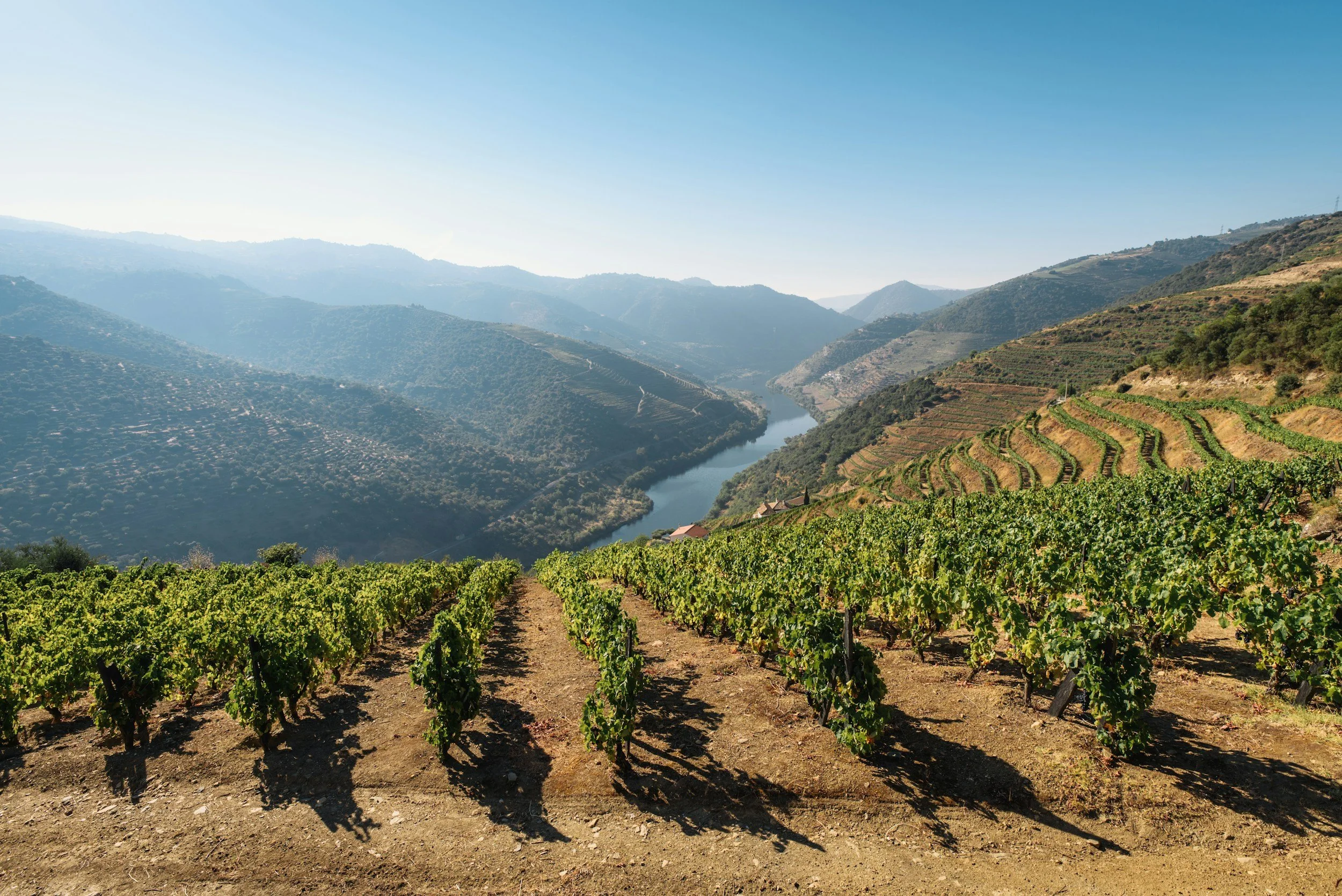
The Douro valley where port wine grapes are grown
1. Economic Context
Portugal remains the lowest-income country in Western Europe. Average wages are comparable to several Central and Eastern European nations. The legacy of the Salazar era (1926–1974), with its focus on a rural, low-education economy, is still visible: in 1970 over 25 % of the population was illiterate, and many of today’s 50–70-year-olds have only primary or basic secondary education.
The economy is dominated by micro and small enterprises (≤10 employees). EU structural funds are available but access is slowed by heavy bureaucracy. Entrepreneurs frequently describe a culture of caution: low risk appetite, cost control and preservation of existing assets take priority over rapid scaling.
2. Business Climate and Opportunities
- Many small retail and service businesses (cafés, sandwich shops, fitness studios, beauty salons) are for sale at relatively low prices.
- Commercial rents in secondary locations remain negotiable, but prime locations in Porto and Lisbon are under pressure.
- Personal relationships are central. A three-hour lunch with multiple courses is still a standard way to build trust; Northern European expectations of 30-minute meetings are rarely met.
- Food and beverage micro-producers (honey, almonds, granola, olive oil) are numerous, usually family-run and often linked to cooperatives that supply major supermarkets. Direct exports are rare because of small scale and language barriers.
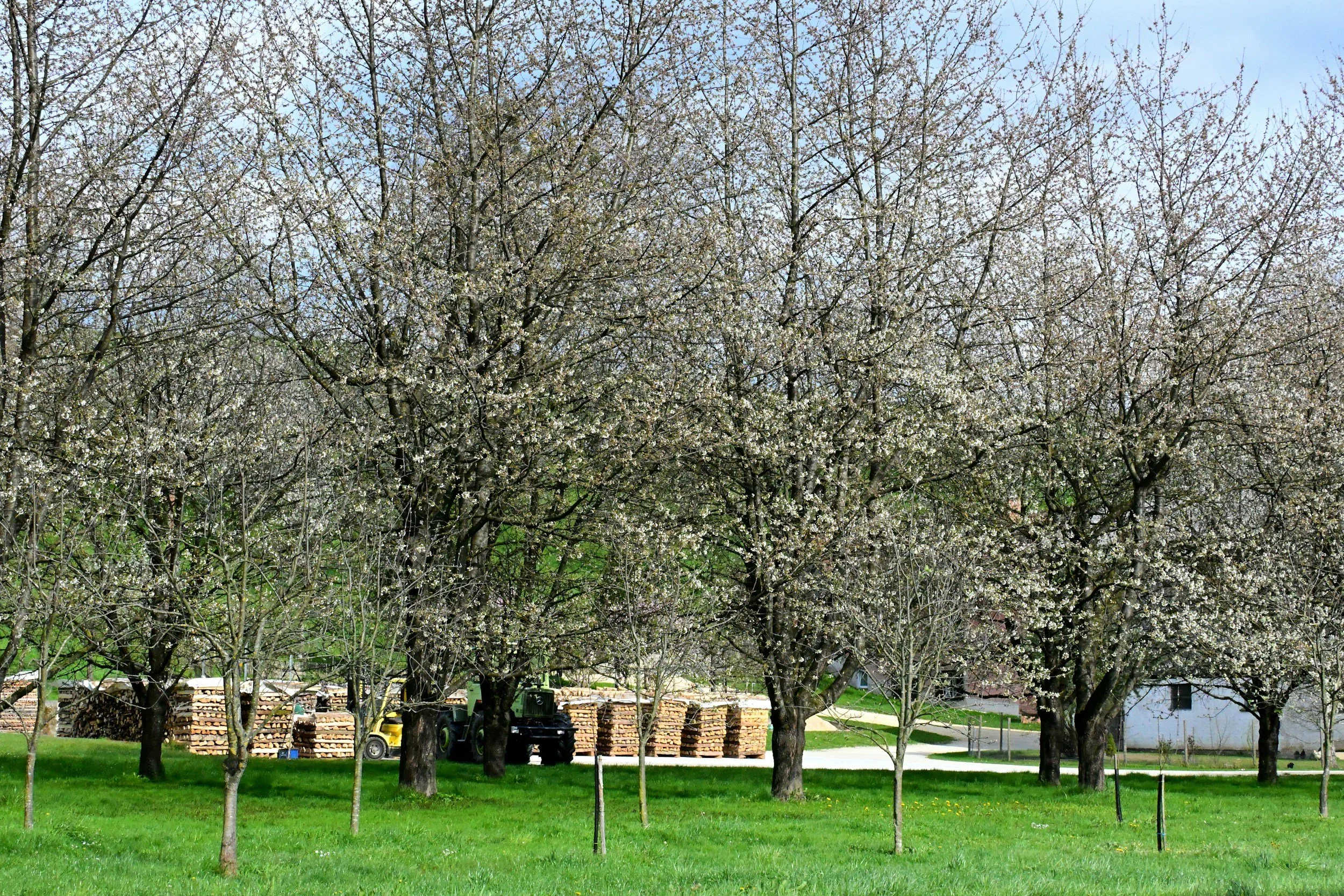
an almond orchard
3. Talent and Brain Drain
Approximately one-third of university-educated Portuguese under 35 emigrate for better salaries (UK, Germany, Netherlands, Switzerland top the list).
Companies in Portugal increasingly hire skilled workers from former colonies (Angola, Cape Verde, Guinea-Bissau, Brazil) and, more recently, from South Asia and North Africa.
4. Digital Nomad / Remote-Worker Impact
High-earning remote workers are pushing rental and property prices up in Porto, Lisbon and parts of the Algarve.
Local resentment is growing: average Portuguese household income makes it difficult for young families to compete for housing. Protests against “golden visa” investors and short-term lets (Airbnb) are now common in Lisbon and increasingly visible in Porto.
Many young locals still live with parents until their early or mid-30s.

iconic porto bridge
5. Cost of Living and Wages (2025–2026 indicative)
- Minimum wage: ≈ €820 gross/month (14 payments)
- Average net salary (private sector): ≈ €1,100–1,300/month
- One-bedroom city-centre apartment (long-term rent, Porto): €900–1,400/month
- Simple lunch menu (prato do dia): €8–12
- Fitness/padel session: €6–10 per person
6. Daily Business Culture Notes
- Meetings often start 10–15 minutes late and include extensive small talk.
- August remains a quiet month; many small companies close for 2–3 weeks.
- English fluency is good in tech and tourism, limited elsewhere.
- Cash is still widely used; MB Way (local mobile payment) is ubiquitous.
7. Positive Developments
- Food waste recovery networks are well organised; supermarkets donate large volumes of near-expiry products to food banks.
- Outdoor and wellness infrastructure (beach gyms, surf schools, padel courts) has expanded rapidly in Greater Porto.
- Madeira continues to position itself as a year-round remote-work and outdoor destination with improving flight connections.

Madeira means mountains and very few accessible sandy beaches
Summary
Portugal offers a high quality of life, welcoming people and relatively low entry costs for small businesses or lifestyle relocation. However, wage levels, bureaucracy and housing pressure created by remote workers and investors are real constraints. For companies or individuals considering a move, building local relationships and realistic expectations about pace and scale are essential.