Witnessing change in the high arctic: a journey to Svalbard
At 78° North, Svalbard (part of Norway) remains one of the most dramatic places on Earth to observe the impacts of climate change firsthand. This remote Norwegian archipelago, with its flattened mountain plateaus shaped by ancient geological forces, offers a unique window into a warming world—making it an ideal destination for travelers seeking meaningful, low-impact Arctic experiences.
Once a hub for coal mining, Svalbard has undergone a profound transformation. Norway's last coal mine, Gruve 7 near Longyearbyen, closed in the summer of 2025, marking the end of a century-long era. The local power plant phased out coal even earlier, transitioning to diesel as a bridge toward renewables. Today, tourism and scientific research drive the economy, supported by initiatives like expanded solar and wind projects that are helping Longyearbyen move closer to its goal of becoming one of the world's northernmost zero-emission communities.
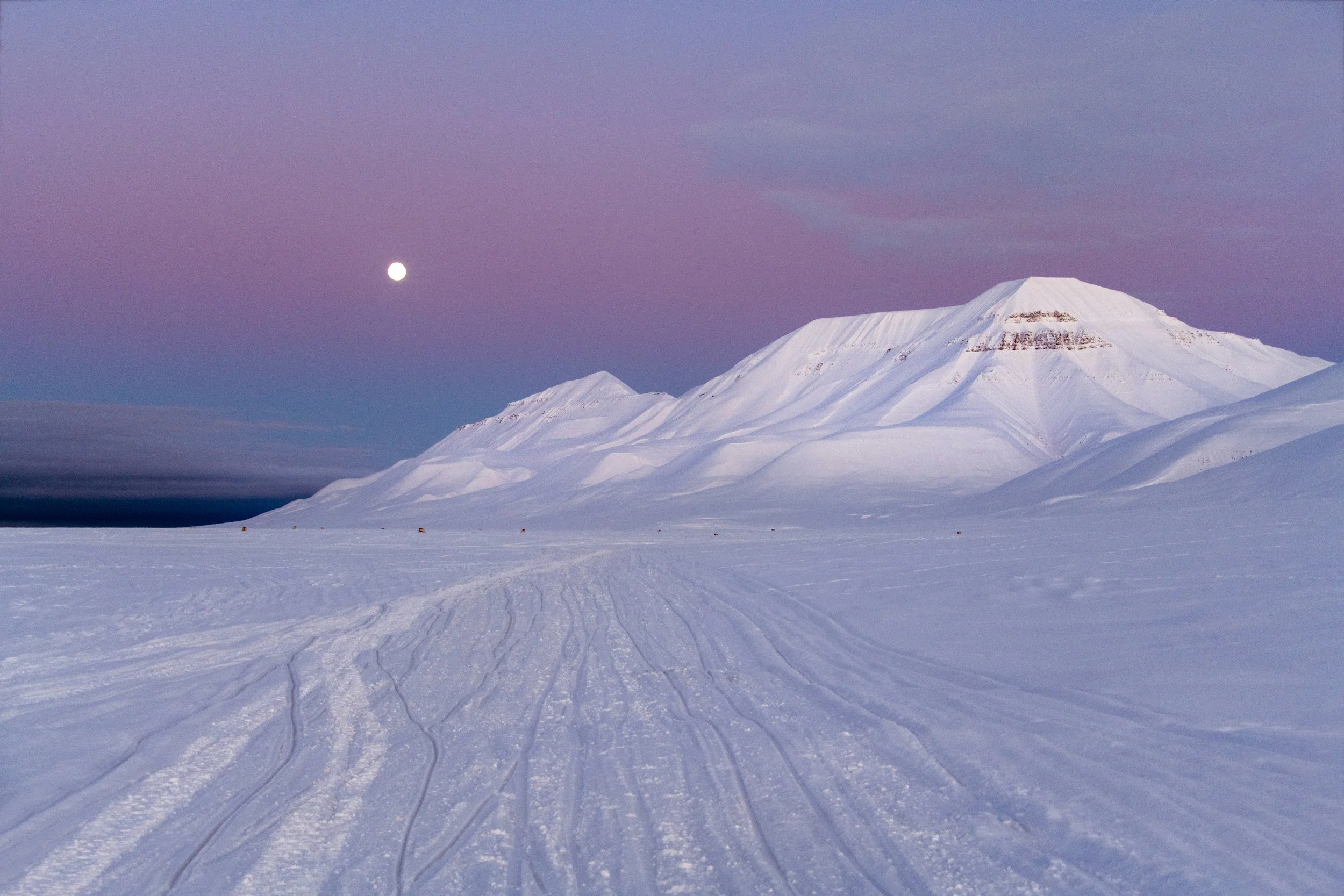
months without daylight and vice versa
Arriving in this stark, beautiful landscape, visitors are immediately struck by the raw power of nature—and its fragility. The archipelago's geology tells a story millions of years in the making: sediments compressed into coal seams, ancient swamps that once teemed with dinosaurs, and fossils still scattered across the tundra. Exploring on foot with armed guides (a requirement outside settlements due to polar bears), snowshoe treks reveal breathtaking silence, dramatic fjords, and glimpses of Svalbard reindeer thriving in the valleys.
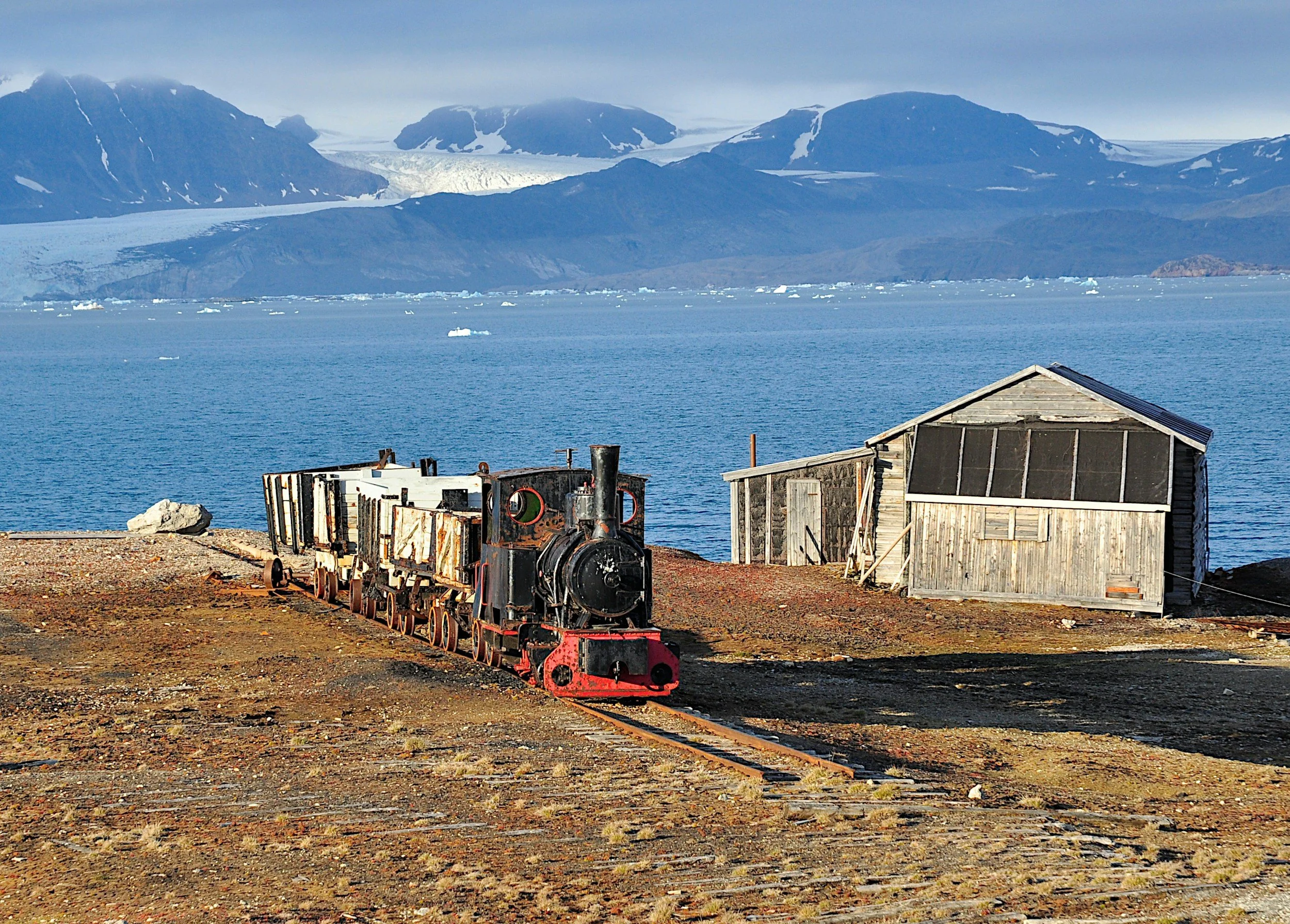
abandoned mining sites
Perhaps most poignant are the glaciers. The immense Nordenskiøld Glacier, now significantly reduced in size, showcases vivid blue ice and serves as a stark reminder of rapid retreat. Entering an ice cave—one of the few still accessible safely—reveals a living, dynamic world of meltwater streams and intricate crystal formations. These experiences highlight the accelerating feedback loops: thinner sea ice absorbs more heat, hastening melt and altering habitats for iconic species like polar bears.
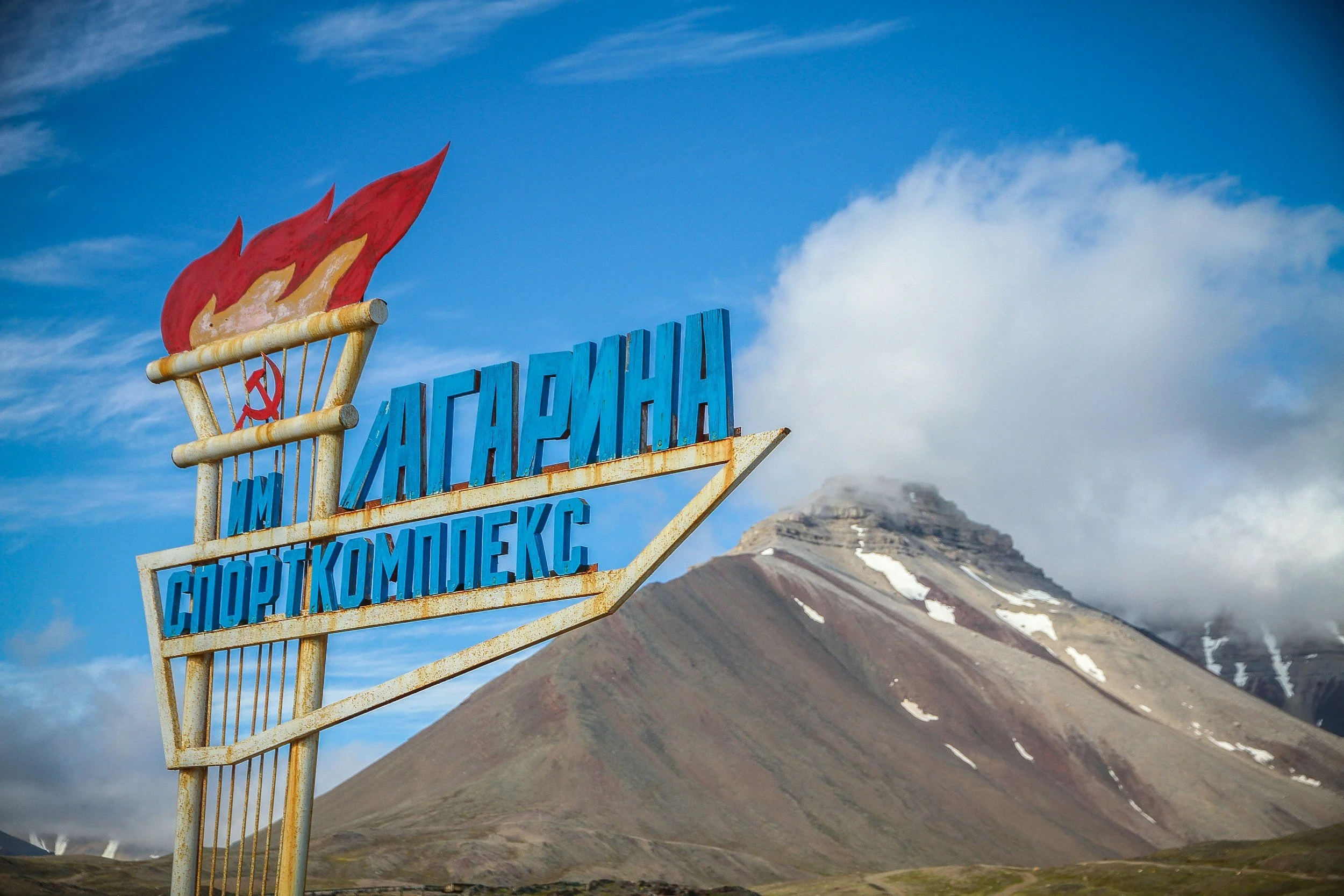
old ghost town of pyramiden
Svalbard's polar bears, part of the broader Barents Sea population, are adapting to shrinking sea ice by spending more time on land, where they hunt reindeer or scavenge bird colonies. While the local year-round population remains around 300, longer ice-free periods force bears to travel farther for seals, underscoring the urgency of global emission reductions. Responsible operators adhere to strict new 2025 regulations, including limited landing sites and vessel sizes, to minimize disturbance to wildlife and fragile ecosystems.
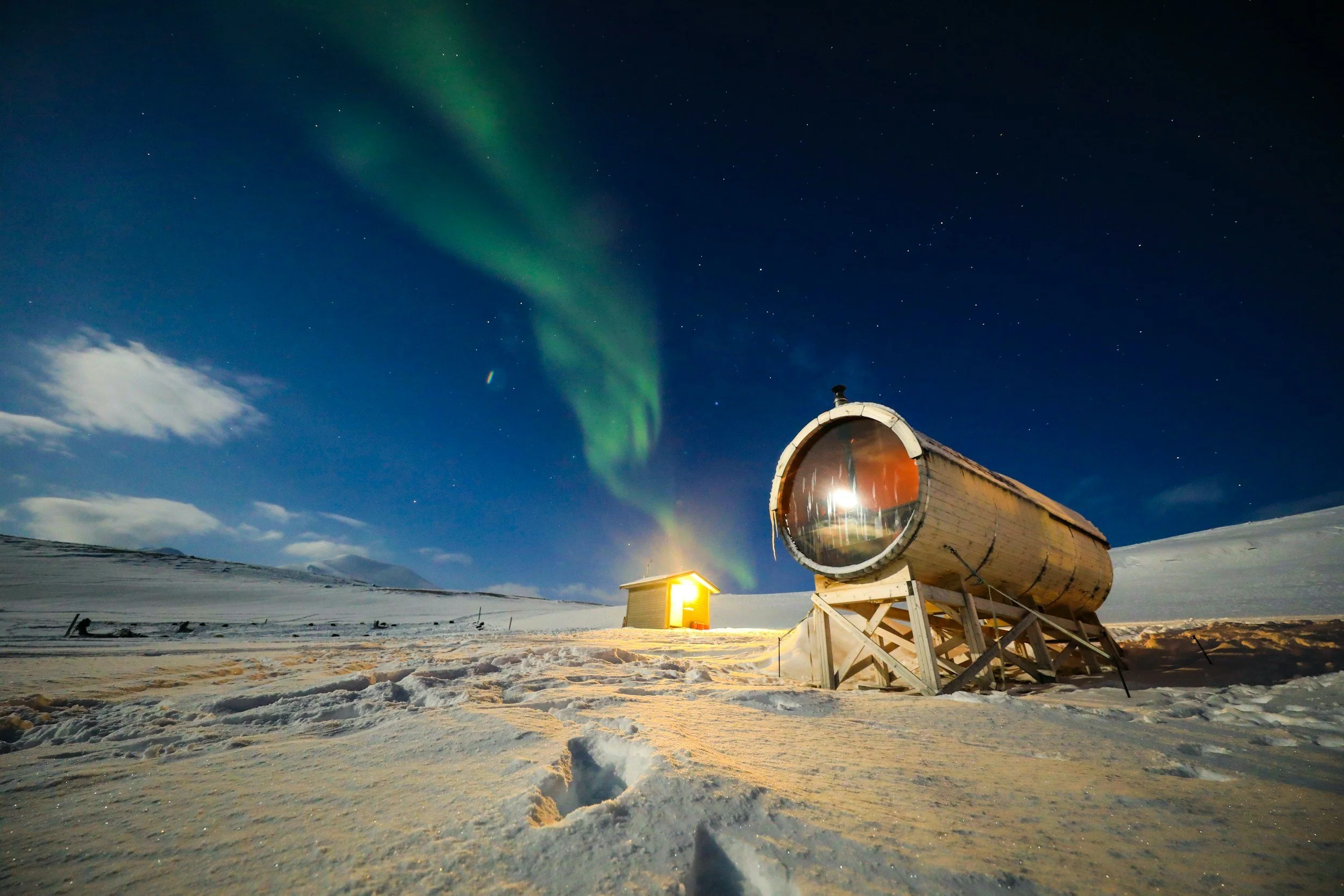
aurora borealis
Abandoned mining sites, such as the Russian ghost town of Pyramiden, add a layer of human history. These once-bustling settlements, now reclaimed by nature, contrast with vibrant Longyearbyen and offer quiet reflection on the shift from extraction to preservation. Kayaking serene fjords or boating past calving glaciers provides intimate, low-carbon ways to connect with this wilderness.
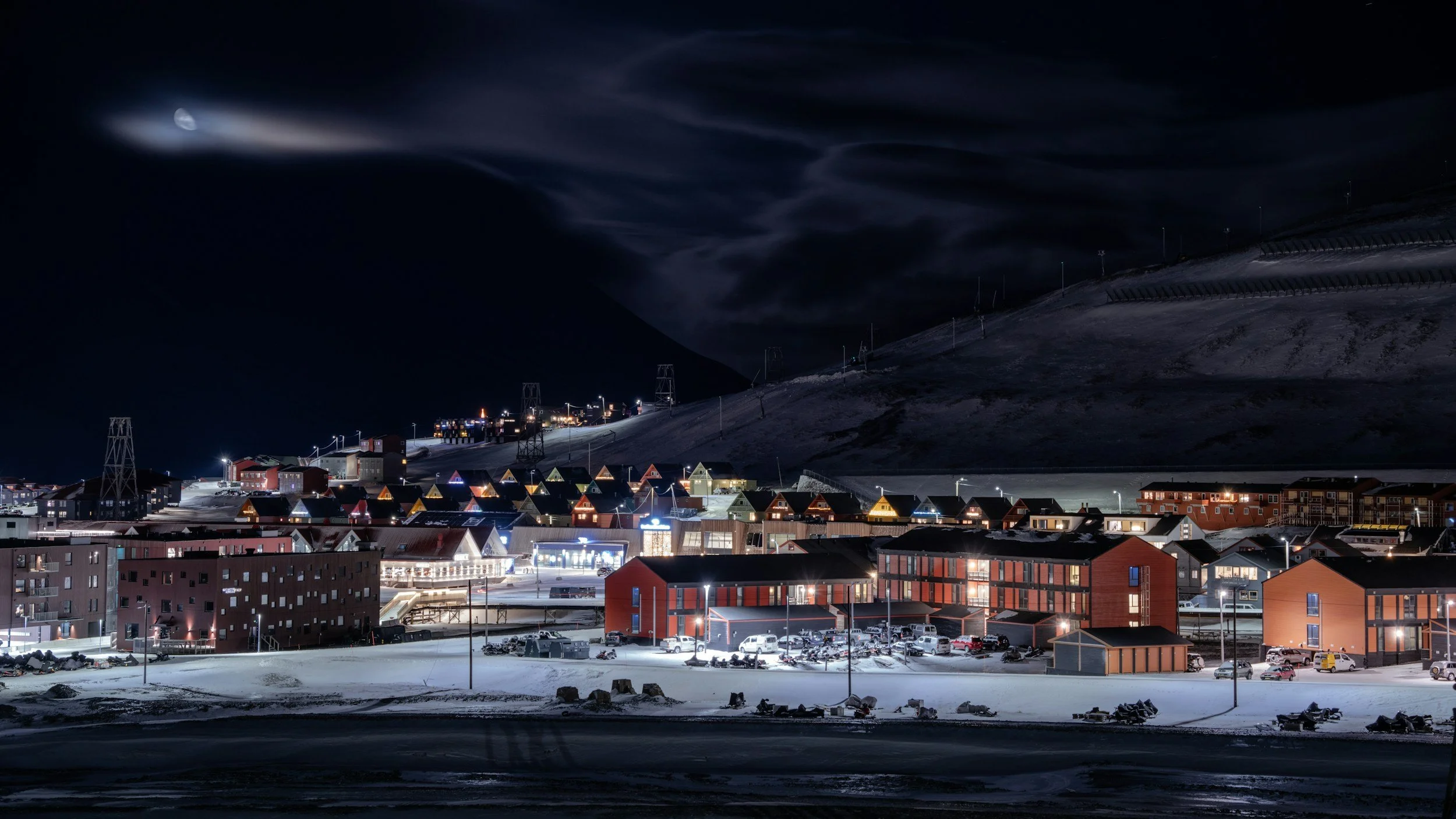
Longyearbyen at night
In 2026, Svalbard exemplifies both the challenges and opportunities of Arctic travel. With the Northern Sea Route increasingly navigable in summer due to reduced ice, accessibility is growing—but so is our responsibility to tread lightly. By choosing operators committed to sustainability, limiting group sizes, and offsetting emissions, visitors can witness climate impacts up close while supporting conservation and local communities.
Svalbard isn't just a destination; it's a call to action. Here, amid midnight sun or polar night, the effects of a warming planet are undeniable—reminding us that protecting these frozen frontiers benefits us all.