Biochar Carbon Removal (BCR): a scalable and cost-effective CDR solution – outlook for 2026 and beyond
Biochar Carbon Removal (BCR) is currently one of the most scalable, cost-competitive, and scientifically robust methods available for carbon dioxide removal (CDR). It delivers immediate climate impact while producing a versatile co-product – biochar – that offers multiple additional benefits. More than 80 % of all carbon removal certificates purchased globally are now delivered through BCR projects, largely because the cost per tonne of CO₂ removed is substantially lower than alternatives such as Direct Air Capture (DAC).

direct air capture
While DAC technologies (e.g., those developed by Dutch companies Carbyon and Skytree) remain highly promising for the long term, they are still capital-intensive and challenging to operate profitably at scale. As a result, major technology companies such as Google and Microsoft are committing to BCR-based removals for the majority of their carbon-offset needs over the next decade.
BCR Revenue Streams
The business model is diversified and resilient:
- Primary income from high-quality carbon removal credits
- Sales of physical biochar
- Revenue from excess heat and bio-oil by-products
Biochar itself commands attractive prices in several established and emerging markets: soil amendment, animal feed additive, air- and water-filtration media, and additive in concrete or asphalt. Premium applications (e.g., feed or construction) typically achieve significantly higher margins.
Key Requirements for a Profitable BCR Project
Three core conditions must be met:
1. Reliable local biomass supply – consistent quality and competitive pricing
2. Nearby off-takers for the physical biochar
3. Infrastructure to monetise or utilise surplus heat/electricity
Opportunities and Challenges in the Netherlands
The Dutch context presents a mixed picture:
Opportunities
- Significant surplus manure streams and horticultural waste
- Greenhouse sector (glastuinbouw) is actively seeking sustainable alternatives to peat-based growing media; biochar is increasingly recognised as a viable substitute
- Potential for on-site pyrolysis units that turn waste streams (including lightly contaminated materials such as ropes or plastic clips) into biochar and usable energy
Challenges
- Overall biomass availability remains limited compared to countries with large forestry sectors
- Rising competition for biomass from other uses (energy, composting)
- Lengthy and complex permitting procedures
- Domestic biochar market is still underdeveloped (unlike Scandinavia or the DACH region)
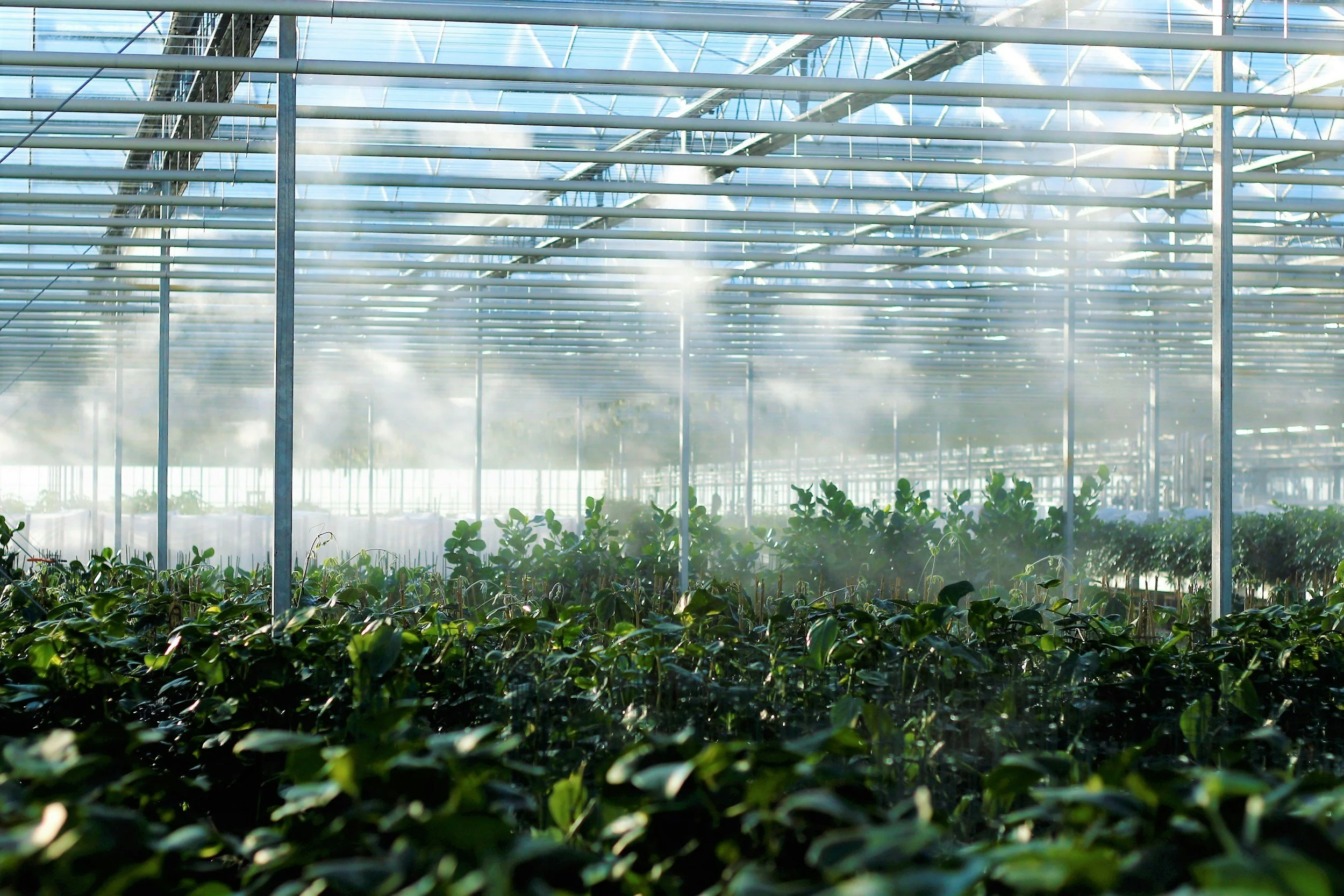
one of the many greenhouses in the Netherlands
Specific Potential in Greenhouse Horticulture
BCR offers a particularly strong fit for the glastuinbouw sector. Biomass residues can be converted on-site via pyrolysis, delivering long-term carbon sequestration while simultaneously:
- Providing a peat/turf replacement for growing substrates
- Supplying excess heat/electricity that can be exchanged within the greenhouse cluster
Compared with conventional routes such as composting or co-firing in power plants, BCR provides substantially higher and more durable carbon removal.
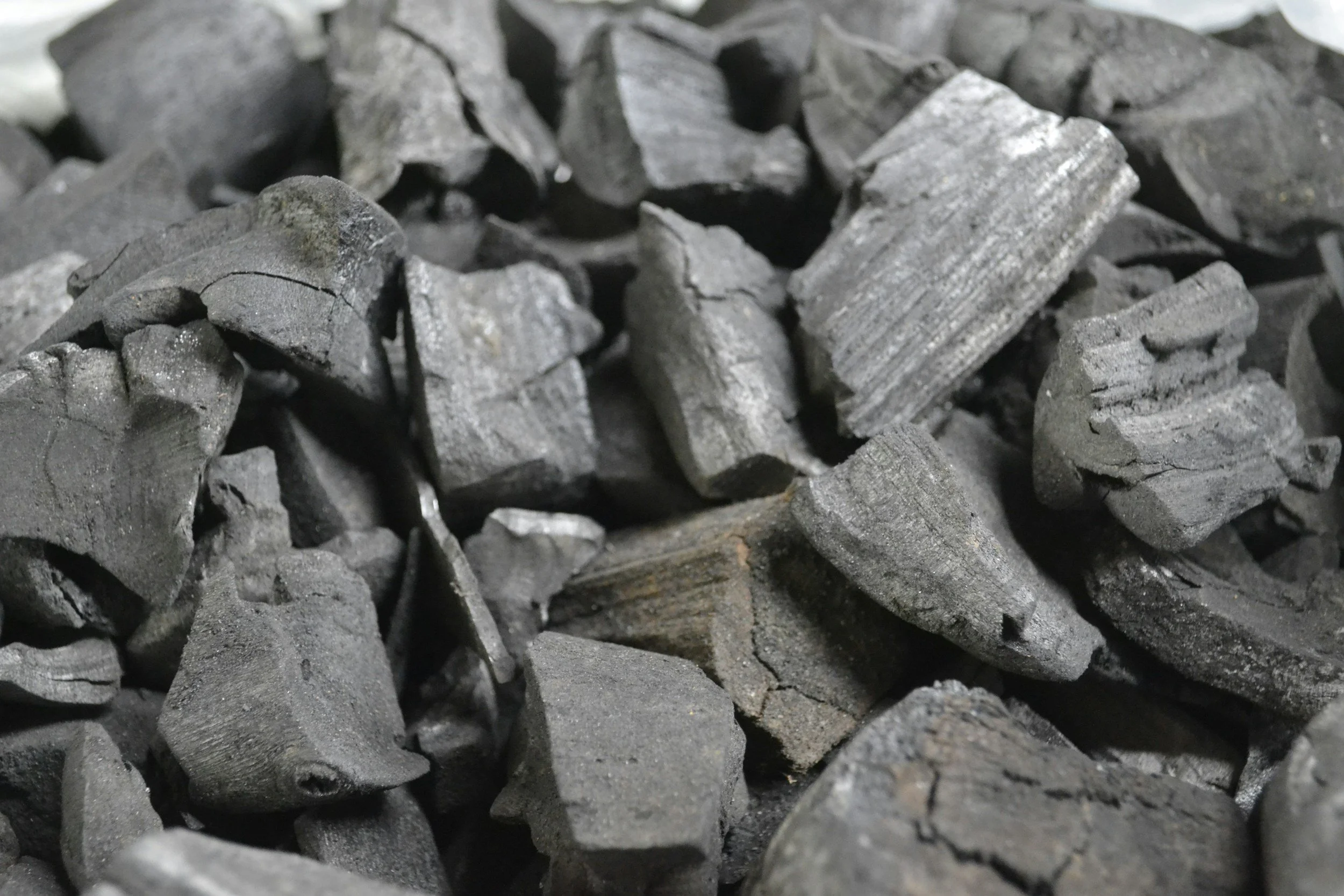
biochar has amazing capacities to retain water in soils
Practical Recommendation
Given the permitting complexity for new pyrolysis installations, the most efficient route in the Netherlands is to partner with an existing operator or site that already holds the relevant environmental and energy permits.
In summary, BCR combines immediate climate impact with attractive economics and multiple revenue streams. In the Dutch greenhouse sector in particular, it represents a rare “triple-win” opportunity: waste valorisation, peat reduction, and high-quality carbon removal – provided projects are structured with the right partners and off-take agreements from the outset.