Exploring the Galápagos: wildlife wonders and a warming world
The Galápagos Islands sit about 1,000 km off Ecuador's coast, a volcanic hotspot that's basically nature's ultimate experiment lab. Think unique critters, dramatic landscapes, and that whole Darwin evolution vibe—it's the spot where his big ideas really took shape. These days, though, it's not just about the history; climate change is shaking things up in ways that hit you right away.
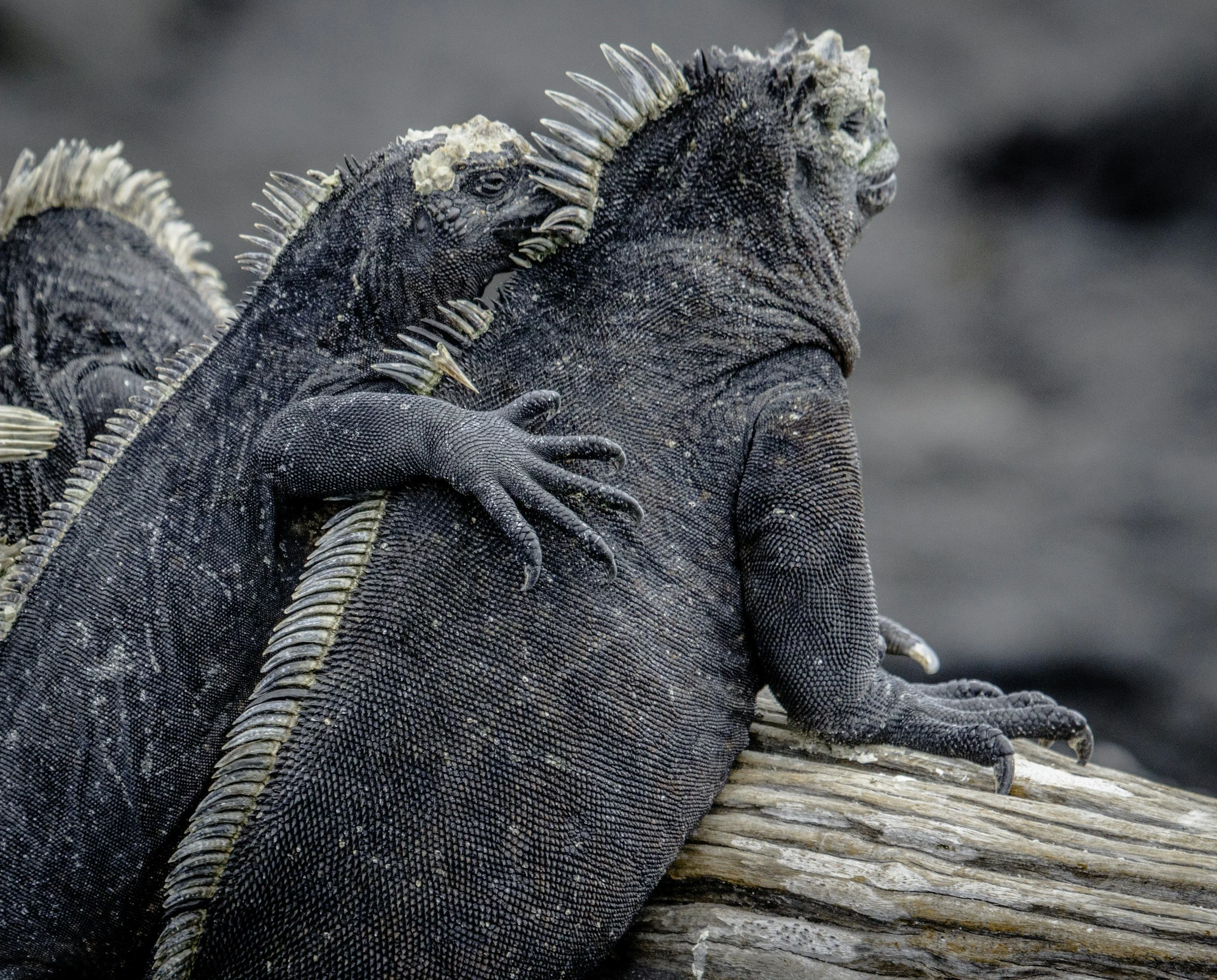
abundant iguanas can be found on the islands and they’re good swimmers too
Wildlife here is famously chill around people—no big predators means sea lions might swim right up for a closer look, or marine iguanas could be stacking themselves on lava rocks like they're at a beach party. Blue-footed boobies dive-bomb the water for fish, their feet flashing that signature color from the pigments in their diet. Penguins zip by underwater at crazy speeds, and giant tortoises lumber along, some pushing 150+ years old. Snorkeling spots teem with rays, turtles, and even the occasional Galápagos shark checking things out—harmless, but definitely a thrill.
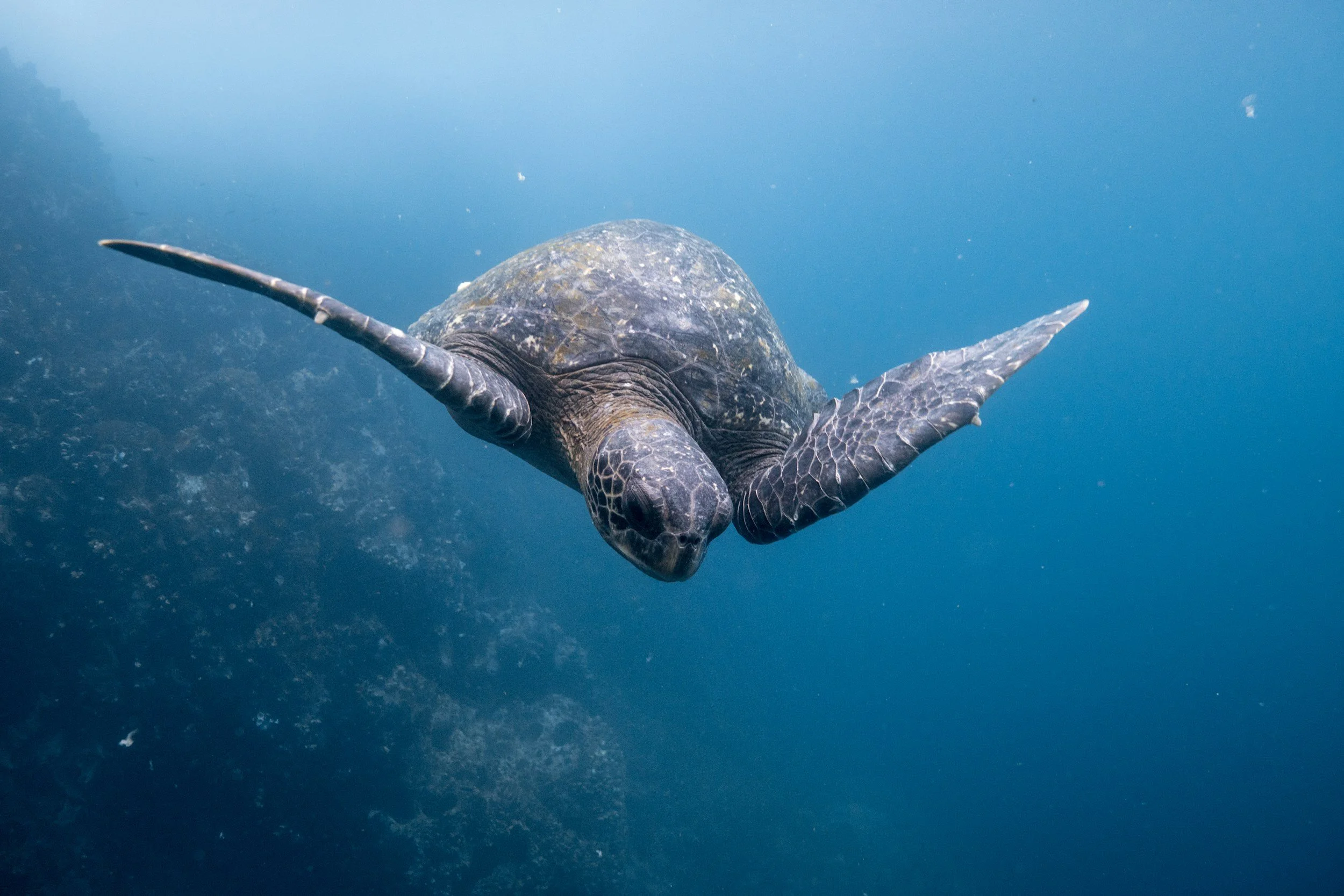
sea turtles everywhere
But here's the reality check: ocean temps have climbed nearly 1°C over the last few decades, messing with the currents that keep everything fed. El Niño events are getting more intense, pushing warm water in and starving the food chain. Penguins aren't breeding as much when sardines vanish, albatross chicks look undersized because parents have to hunt farther, and those blue booby feet? Sometimes a bit faded from scarcer fish. Coral reefs show patches of bleaching—warm water kicks out the algae that give them life and color, leaving skeletons behind. On land, endemic plants like Scalesia trees are stressed by hotter, drier conditions, vanishing from spots where they used to dominate.
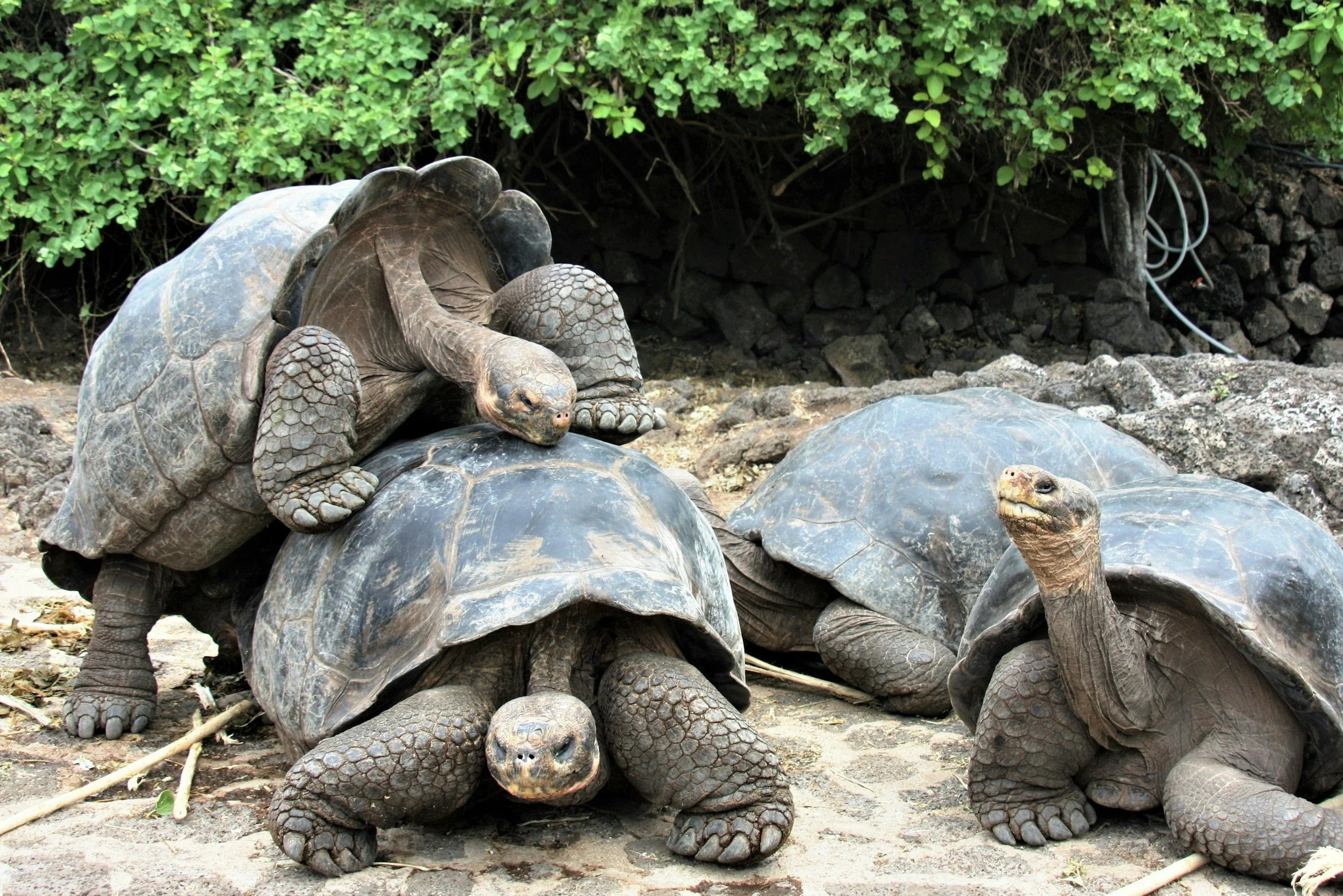
perhaps a slow metabolism but they live very long
The good news? Conservation efforts are stepping up big time. The park fee (now US$200) funds invasive-species removals—goats and rats are gone from key islands, letting natives bounce back. Tortoise breeding programs have repopulated places like Floreana, and reefs are showing resilience in cooler pockets. It's all about guided tours now, with strict rules to keep impacts low.
Cruising between islands under a star-packed sky or hiking black lava fields, the place feels otherworldly. But it's a reminder too—protecting this biodiversity hotspot means tackling emissions everywhere. The Galápagos shows adaptation in action, and with smart tourism, it can keep thriving. If you're into eco-adventures, it's tough to beat— just pack the sunscreen and seasick meds for those open-water hops.